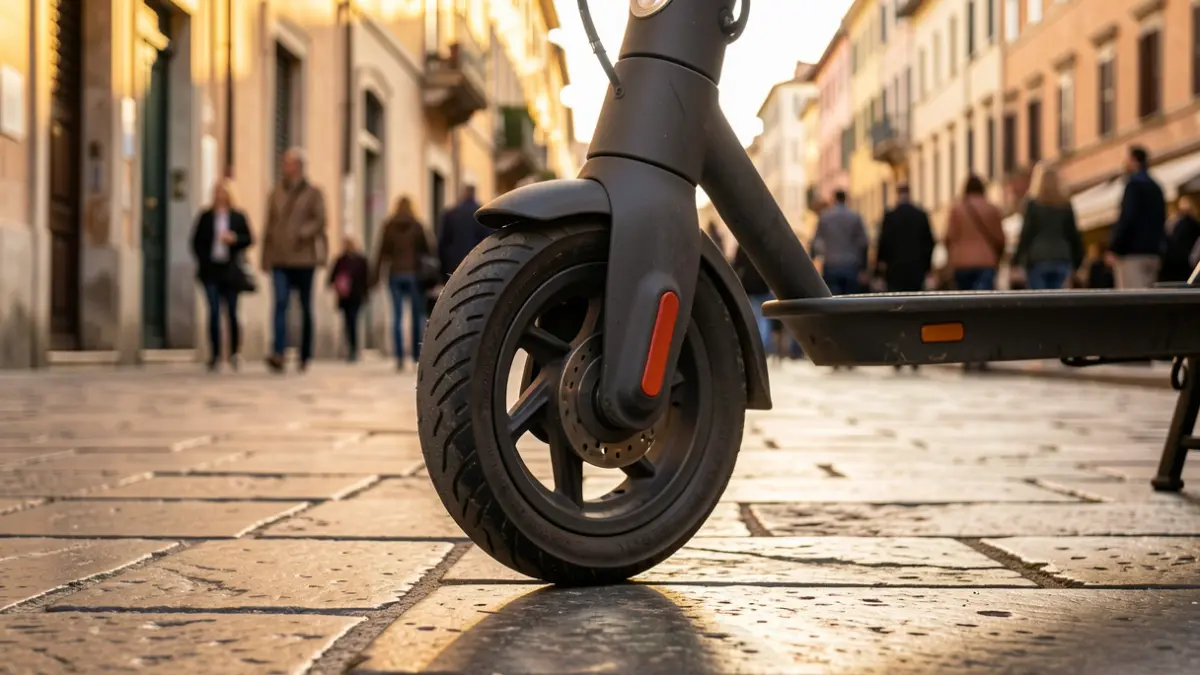
A study by the University of Malaga (UMA) has revealed a significant increase in accidents related to electric scooters in the city. The incidence has risen from 2 to 80 cases per 100,000 inhabitants between 2018 and 2023. This surge coincides with the 2021 regulatory change that allowed these vehicles to use the road, shifting collisions that previously occurred on sidewalks with pedestrians to public roads with vehicles.
The research, titled "The epidemiology of injuries related to electric scooters in Malaga: effects of the shift from sidewalks to streets under new traffic rules," analyzed over 400 patients treated in emergency rooms between 2018 and 2022. The collected data included clinical and epidemiological information such as age, injury mechanism, substance use, helmet use, and injury severity.
The most common injuries were contusions (72%), followed by fractures (12.9%), wounds (12.6%), and dislocations (2.5%). Fractures were mainly concentrated in the face, head, and upper limbs, with 34.5% affecting facial bones and 13.5% affecting wrists. The study also identified that age and the consumption of alcohol and other substances, especially at night, are factors associated with greater injury severity.
Researchers highlighted a change in accident dynamics following the new regulations. While the majority of incidents (over 70%) are due to falls from the scooter itself, 15% involve impacts with vehicles. Despite the increase in collisions with cars, the low speed of scooters has prevented most of these accidents from being severe.
Concurrently, the economic impact of these injuries has multiplied more than 30 times in five years. The associated annual cost rose from approximately 13,000 euros in 2018 to nearly half a million in 2023, encompassing healthcare costs and lost workdays. Experts emphasize that helmet use, a practice not widespread among users (only 13% used them), could prevent a significant portion of these injuries.