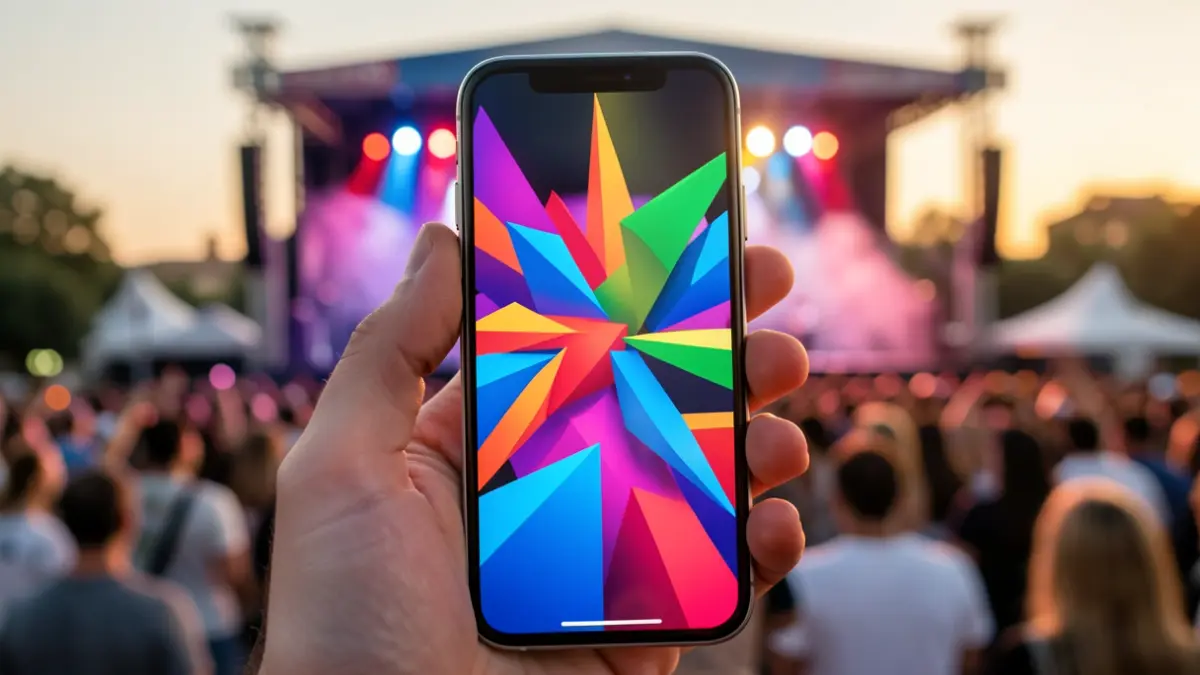
The work, published in the journal Street Art & Urban Creativity and funded by the UMA's Own Plan, examines the digital communication of four festivals present in Málaga: Weekend Beach, Brisa Festival, Cala Mijas, and Oh, see! Málaga. The research combines surveys of over 200 young people aged 18 to 24, an analysis of the festivals' websites and Instagram profiles, and five in-depth interviews with professionals from the music industry and communications.
The analysis of the festivals' digital platforms revealed communication primarily oriented towards promoting events, facilitating ticket purchases, and maintaining interaction with followers. However, researchers did not detect the implementation of tools dedicated to immersive technologies, such as virtual or augmented reality, on any of the websites studied during the analysed period.
“"The analysis of digital platforms showed communication oriented towards promoting events, facilitating ticket purchases, and maintaining interaction with followers"
To understand the perspective of potential users, the team conducted a questionnaire with 200 young people. The results showed some lack of knowledge about immersive environments, but over 60% were open to participating in this type of event. Nevertheless, respondents considered that a virtual experience cannot improve a live concert.
Interviews with experts identified concrete opportunities throughout the festival cycle, such as presenting the lineup in virtual spaces, incorporating augmented reality resources during the event, and offering personalized content after its celebration. Among the obstacles, they pointed out the initial investment, access to devices, and the need to design experiences with their own value.
“"We must overcome economic, technological, and familiarity barriers, but it opens an opportunity to expand the communicative possibilities of festivals and prolong the bond with their communities"
The study concludes that immersive environments can add value especially in pre-festival promotion and post-festival loyalty. A gradual incorporation is proposed as a complement to the in-person experience, supported by educational content and pilot experiences, to make the experience begin before entering the venue and continue after the last stage has gone dark.