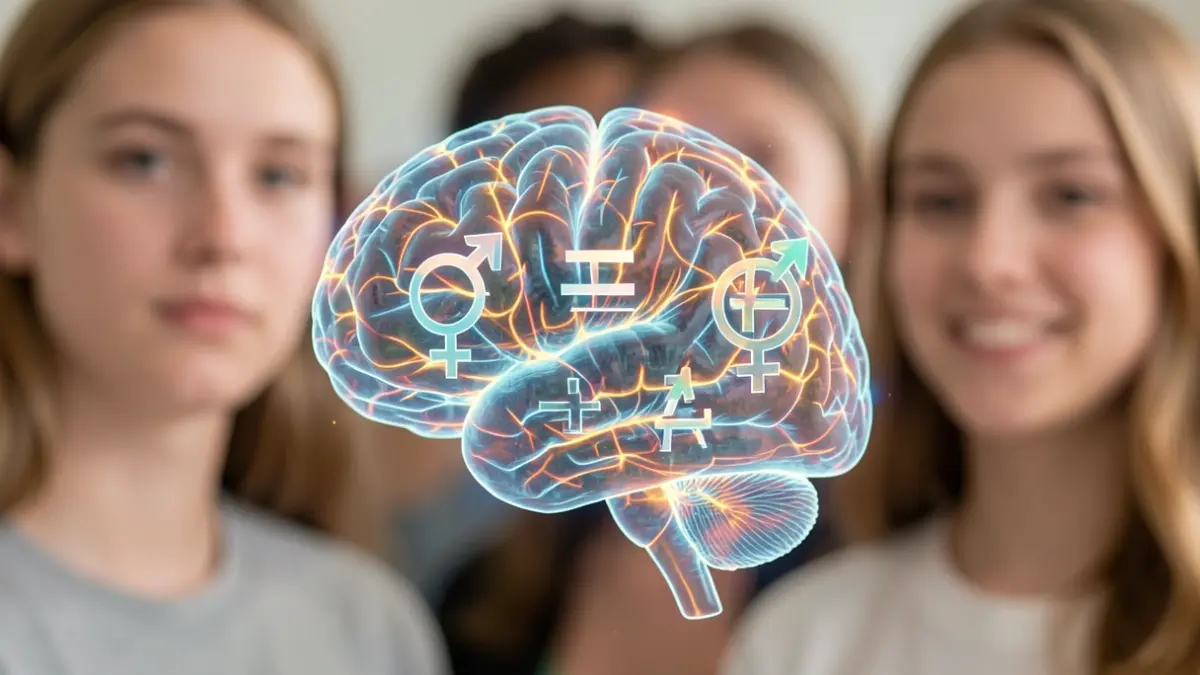
The research, conducted in collaboration with the University of Murcia, examines the relationship between emotional responses, cognitive understanding, and behavioral predisposition in minors and adolescents after viewing social advertising campaigns. These campaigns focus on highlighting historical female role models who challenged gender stereotypes in traditionally male-dominated fields. The findings have been published in the scientific journal Psychology & Marketing.
The study's methodology combines neuroscience techniques, such as near-infrared spectroscopy (NIRS) for recording neurophysiological responses, with conventional research instruments, including subsequent questionnaires to analyze message comprehension and predisposition to act.
The results identify associations between emotional responses, cognitive understanding of the social cause, and behavioral predisposition. Furthermore, statistically significant differences were observed between male and female participants in some of the examined structural relationships. "These findings provide new evidence on how younger audiences process social advertising messages and highlight the importance of considering both emotional responses and content comprehension when analyzing these types of campaigns," states Patricia Iglesias, a researcher at UMA's Faculty of Marketing and Management and one of the study's authors.
The research offers insights for marketing, institutional communication, and education, emphasizing the need to jointly examine the emotional response elicited by a campaign and the extent to which its content facilitates understanding of the social issue it aims to highlight. The authors caution that the results should be interpreted in relation to the specific advertising stimulus analyzed and do not allow for general conclusions about the effectiveness of all 'femvertising' campaigns.
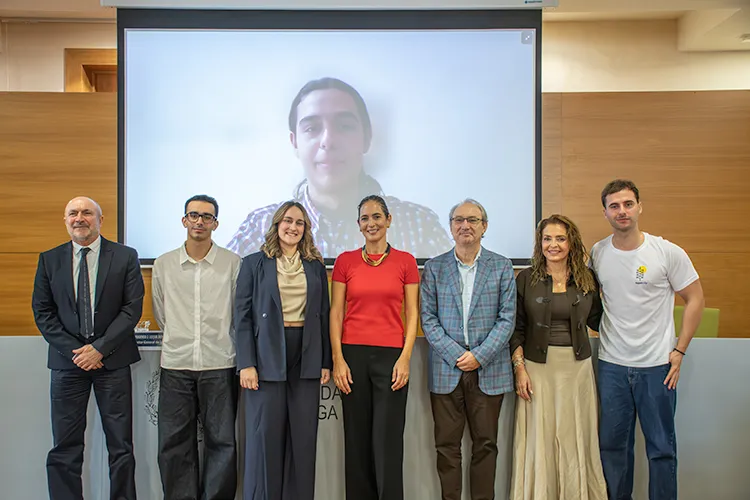
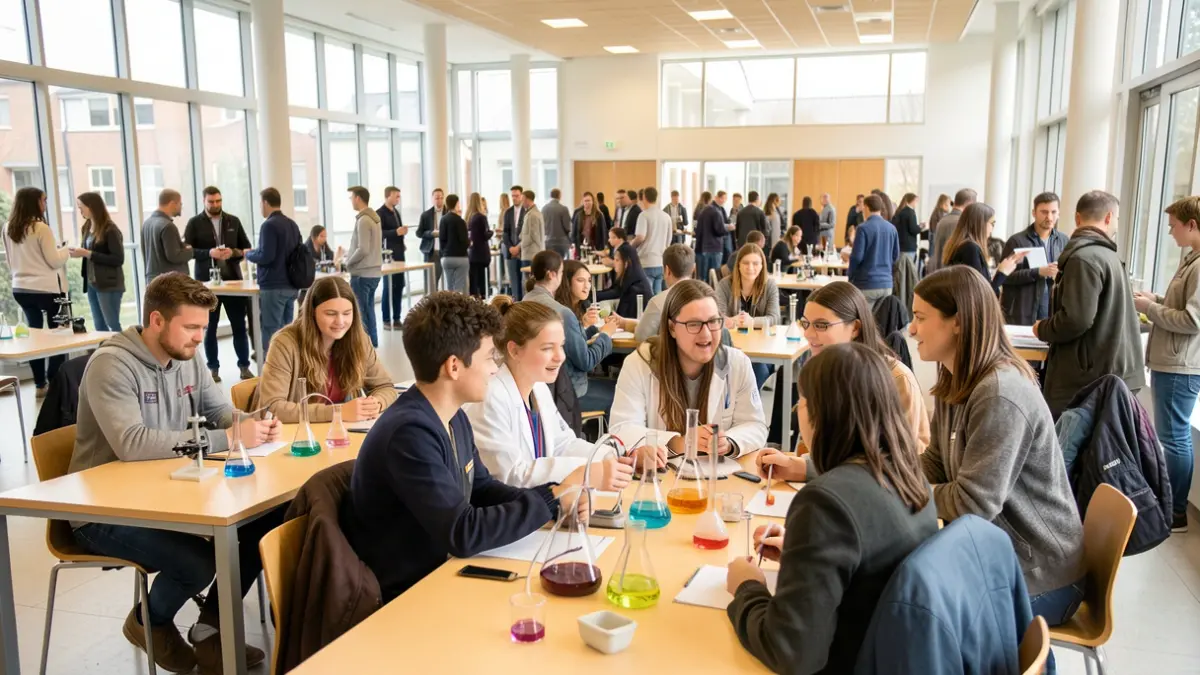
The work was carried out by researchers Patricia P. Iglesias-Sánchez, Elena Cruz-Ruiz, and Carmen Jambrino-Maldonado (UMA), along with José Manuel Santos-Jaén (University of Murcia). It benefited from technological collaboration with GOLI NEURO and the participation of three educational centers (CEIP Los Prados, CEIP Salvador Allende, and Colegio Concertado Academia Santa Teresa), involving 156 students from 6th grade of primary and 1st and 2nd year of ESO. The project received funding from the National R&D&I Plan and GPIE 22/077 MATIILDE.