The presentation of this edition, which has become an Andalusian culinary benchmark, was attended by Andrés Clavijo, Deputy for Development and Employment; Miguel Molina, Mayor of Barbate; and Susana Sánchez Toro, Deputy and Deputy Mayor of Jerez, who all emphasized the strategic value of the event for tourism and the region's economy.
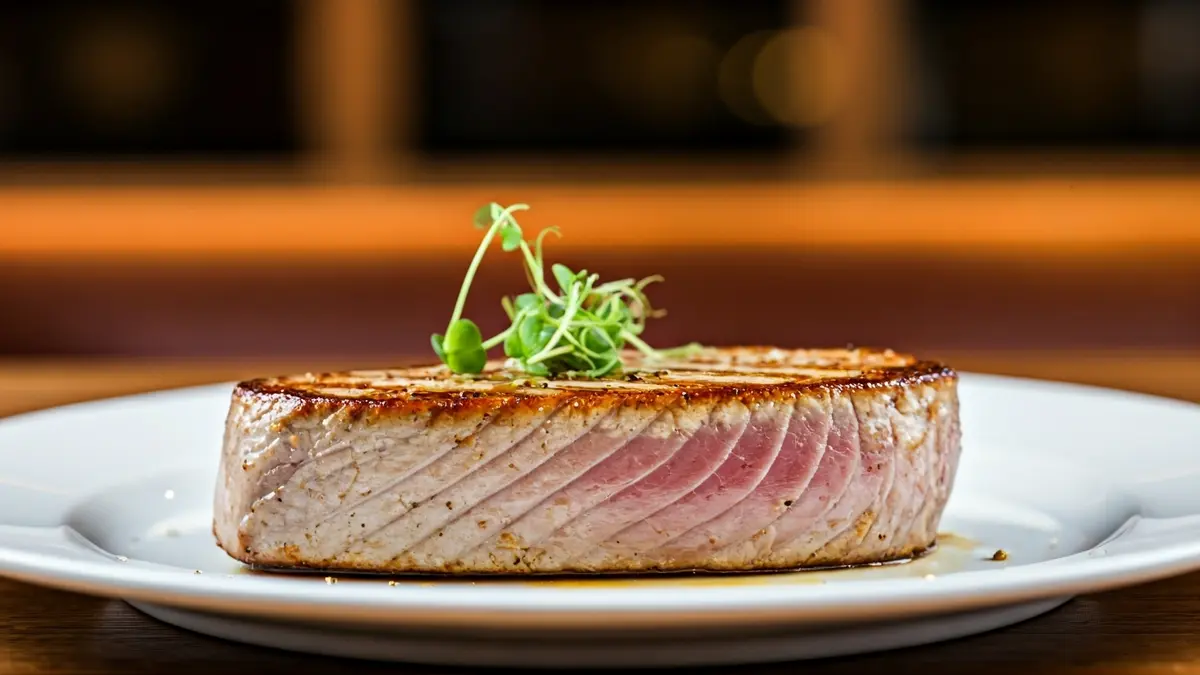
The Gastronomic Week is structured into two main phases: the Tuna Route, a culinary competition among hospitality establishments that began on April 22, and the Tuna Fair, which starts on April 29 and concludes on May 3. This format allows visitors to enjoy various culinary proposals centered around tuna.
“"Tuna is a symbol of pride not only for Barbate, but for the entire province."
Mayor Miguel Molina highlighted that the event, now in its 18th edition, is “fully consolidated” and its success lies in combining gastronomy, culture, tourism, and sustainability. The incorporation of new restaurants, driven by young restaurateurs, has contributed to the increase in participants in the gastronomic competition.
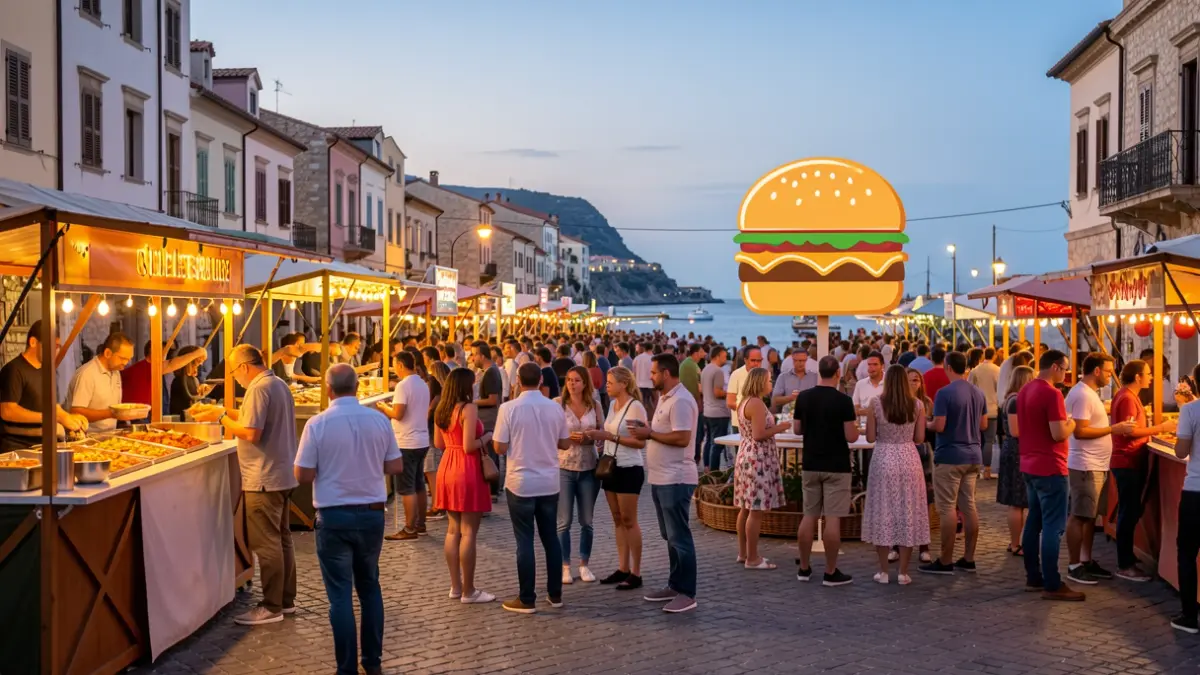
In addition to the tapas offered by the forty establishments, the event includes a gastronomic tent with about 20 stands, musical performances, showcooking sessions, wine and tuna tastings, guided visits to the almadrabas (traditional tuna traps), and cultural activities exploring the history and tradition of Barbate.
Jerez has been designated as the guest city, an honor that Susana Sánchez Toro gratefully acknowledged, especially in a year when Jerez holds the title of Spanish Gastronomy Capital. Sánchez Toro highlighted the pairing between almadraba red tuna and Jerez wines, and celebrated the inclusion of Jerez restaurants and the participation of the Regulatory Council of Jerez Wines in the program.
Molina also stressed the importance of the tuna industry in generating employment and local development, mentioning ongoing hospitality training programs that attract young people to open new establishments in Barbate, culinary innovation to blend tradition with avant-garde, and the fact that final products are often manufactured within the municipality, strengthening the business fabric and wealth of the area.