The Head of Allergology, Manuel Alcántara, emphasized the importance for diagnosed patients to continue their regular medication. This measure is crucial so that, when pollen concentrations peak, they can mitigate the effects and prevent a greater impact on their health.
“"The forecast this year, which has been very rainy, is that pollen levels will be higher than last year."
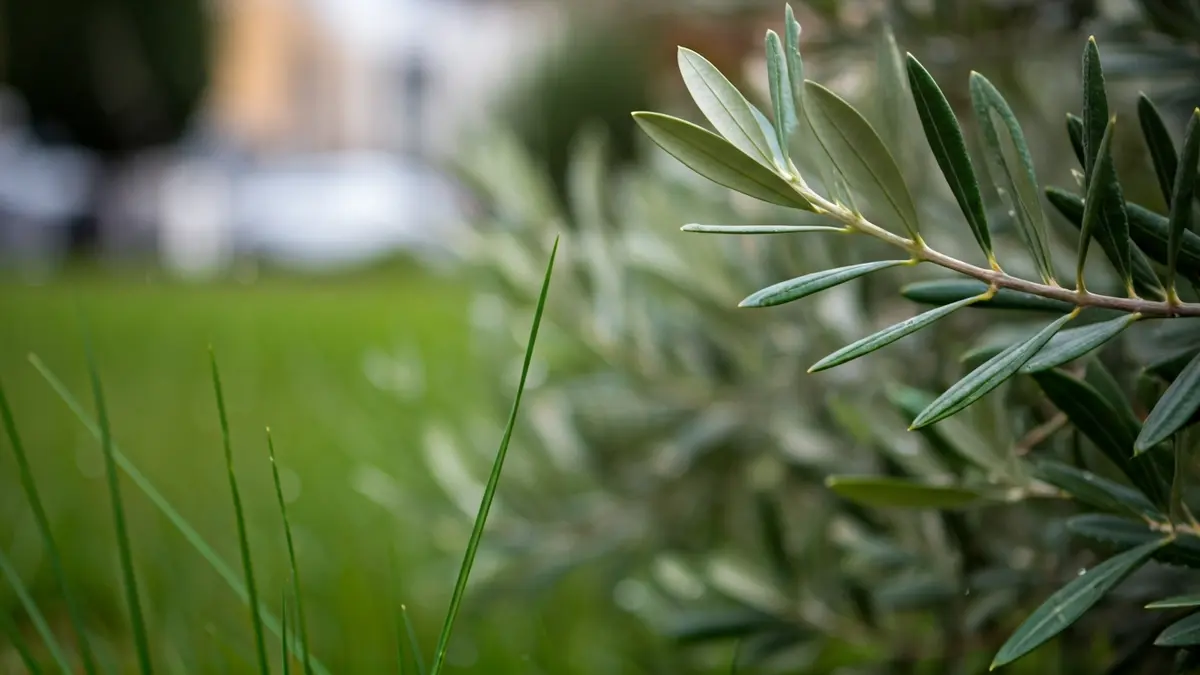
Olive and grass pollens have historically reached the highest concentrations in the province of Jaén, intensifying concerns given the current forecast. These levels are monitored using a pollen trap located on the ninth floor of the Maternity and Children's Hospital.
This device operates using the ‘Hirst’ method, a standard employed by the Spanish Aerobiology Network (REA) and working groups within the European Aeroallergen Network (EAN). The equipment sucks in ten liters of air per minute, adhering particles to a tape impregnated with an adhesive substance. An external weather vane ensures the inlet opening is always oriented towards prevailing winds, optimizing sample collection.
Once the sample is collected, the tape is stained with fuchsine and analyzed under a microscope to determine the average number of pollen grains per cubic meter of air. This information is disseminated daily, allowing allergy sufferers to anticipate high-risk days, adjust their medication, and reduce the intensity of their symptoms and potential respiratory complications.