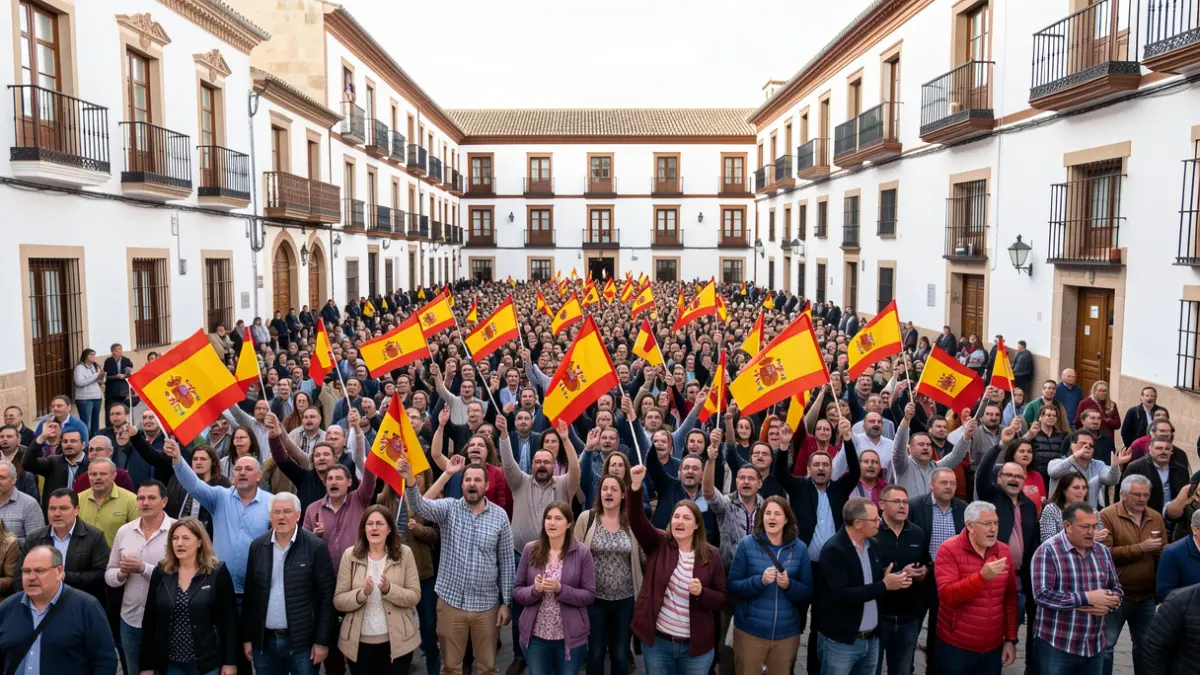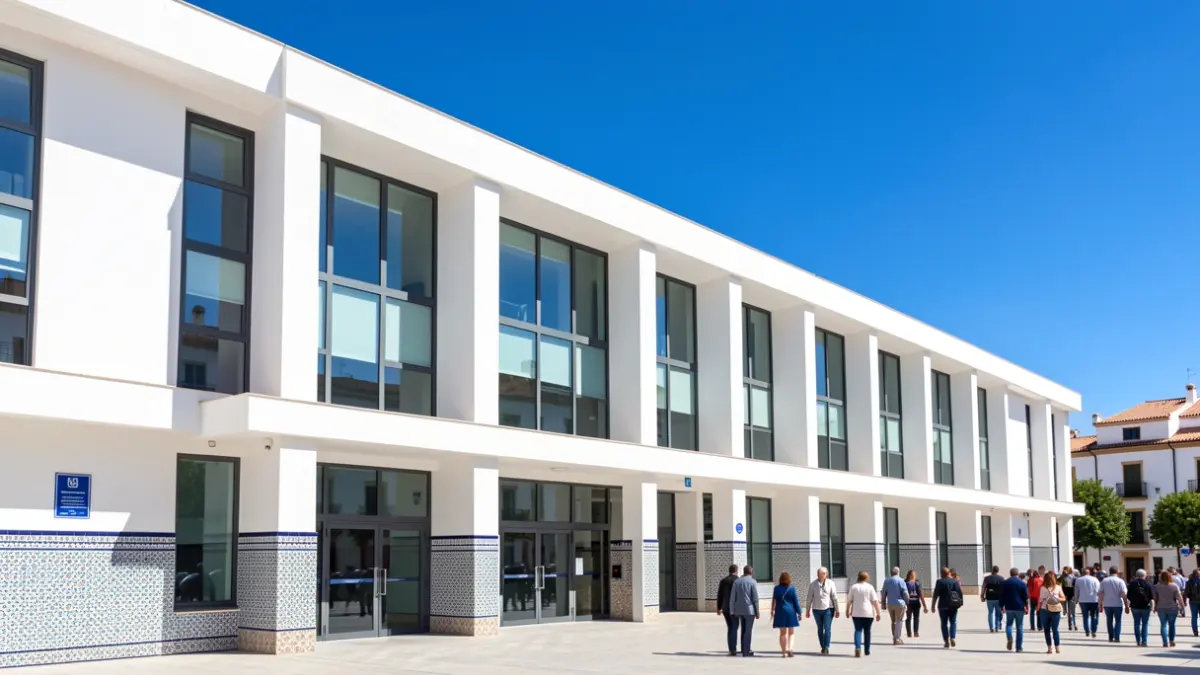
The event, held at the Higher Technical School of Engineering (ETSI), brought together university, institutional, and productive sector representatives. This initiative underscores the importance of public-private cooperation in addressing current social, environmental, and technological challenges, solidifying the university's role as a generator of knowledge and a connector between various fields.
“"The relationship with Aguas de Huelva is very fluid and allows us to transfer the knowledge we generate in the classrooms to society and the productive sector."
During the ceremony, it was emphasized how university chairs offer an excellent opportunity to create synergies and facilitate entities' access to university talent. The awarded works are a clear example of the potential existing at the University of Huelva, contributing to the city's well-being through solutions aligned with corporate social responsibility.
Among the awardees, one student received the first prize in the Social Innovation category for their Master's Final Project, with a project titled “Social Thermometer: Proposal for a tool to measure energy vulnerability in homes.” This research proposes a tool for social work professionals, allowing them to assess the problem through home visits and improve assistance to people in vulnerable situations. The project continues its development within a doctoral thesis, seeking to expand its scope and implementation at local and national levels.
“"It is a satisfaction to come to the university, a living institution that, like the City Council, constantly works for the progress of Huelva."
The mayor of Huelva highlighted the fundamental role of the University of Huelva in the city's development, valuing research as a great source of growth. She emphasized the need to retain young talent in the region, ensuring that young people can train and develop their future in Huelva, promoting strategic sectors such as tourism, green hydrogen, green methanol, and the circular economy.
The awards were structured into two main lines: Social Innovation and Operational and Environmental Innovation. In the first, works such as predicting success in crowdfunding projects and designing psychosocial intervention programs for minors were recognized. In the second, research on sediment stability in the Odiel River and nanostructured membranes for improving water quality, among others, were awarded.