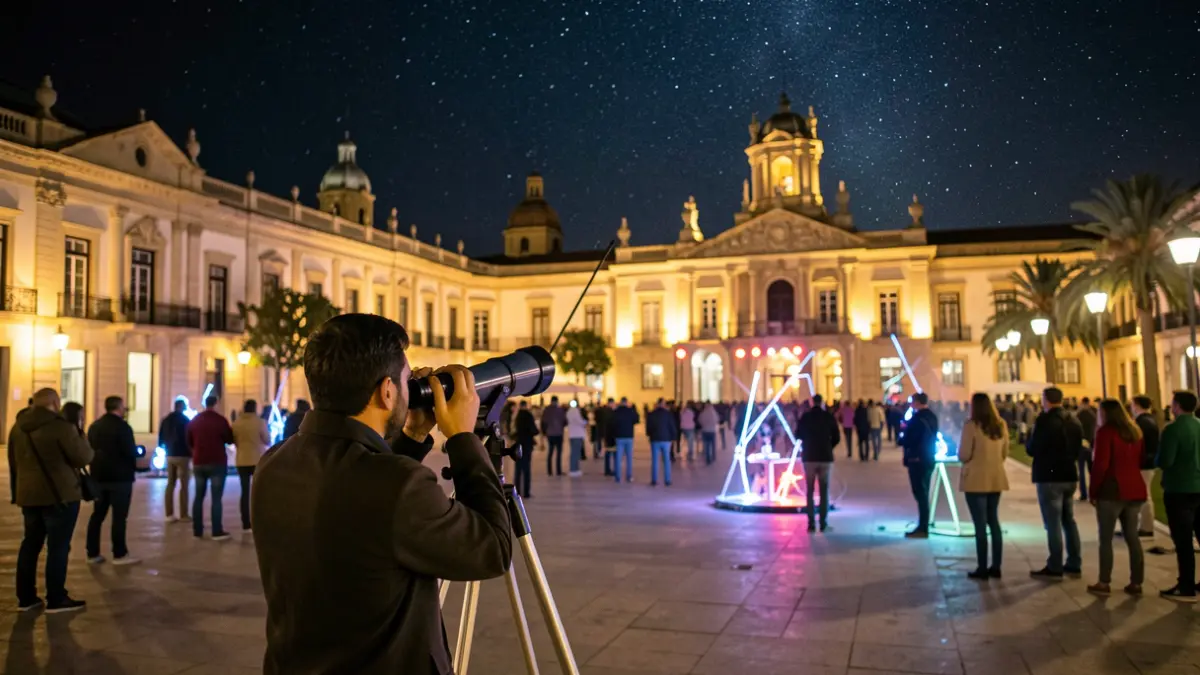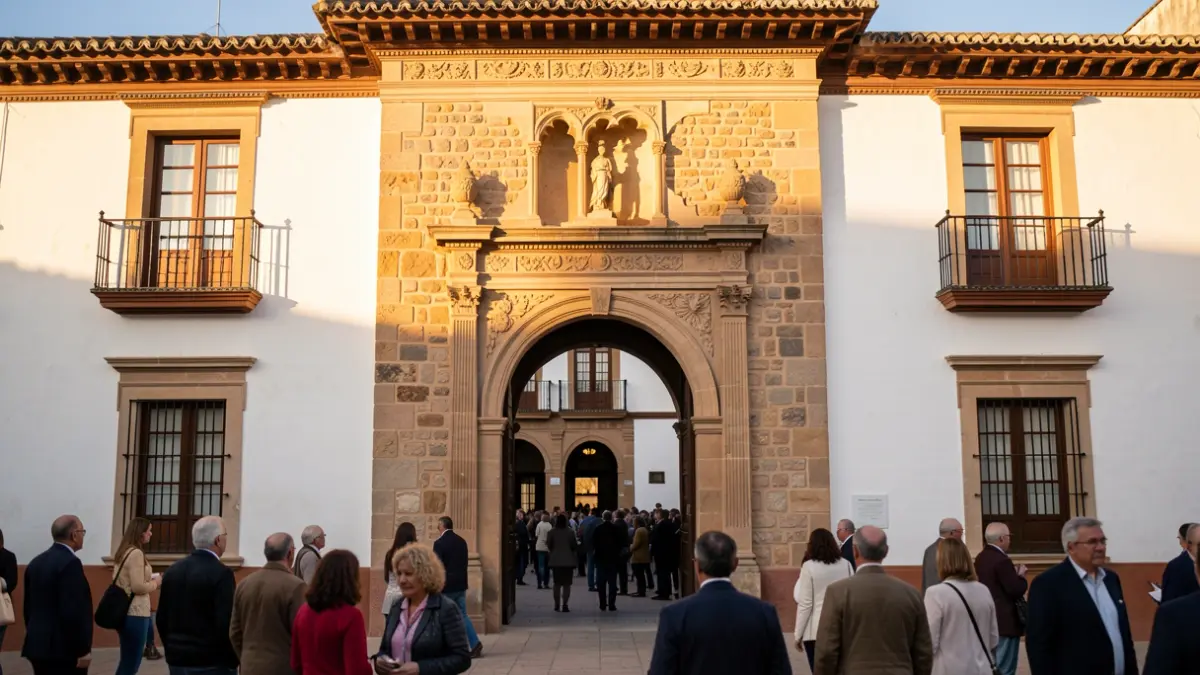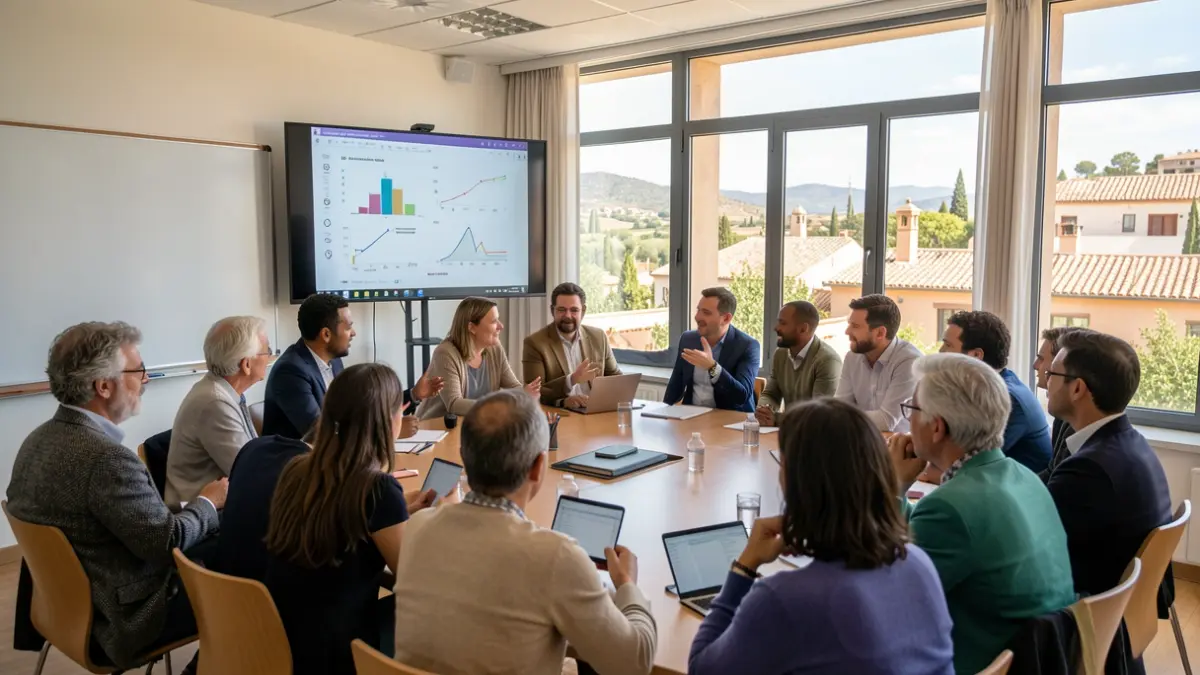
The program, titled Knowing How to Communicate and Disseminate Science, has become a national benchmark initiative for training researchers in scientific communication. Driven by the Scientific Culture and Innovation Unit (UCC+i) of the University of Huelva, the plan ran from January to May 2026, funded by the Spanish Foundation for Science and Technology (FECYT).
This year's edition attracted over a hundred participants from various institutions and organizations across Spain, extending beyond the Huelva university community. The increasing attendance of professionals from universities, research centers, and scientific culture units nationwide confirms the prestige and national reach of this educational initiative.
The primary objective of the plan is to equip researchers with the necessary tools to successfully bring scientific knowledge to society in a rigorous, understandable, and attractive way. The initiative operates on the premise that, in addition to generating quality science, it is crucial to know how to communicate it and adapt it to different audiences and channels.
Over five months, the program offered practical training in current topics such as the use of artificial intelligence in outreach, communication through imagery, public speaking techniques, the impact of social media, and inclusive scientific dissemination, the latter being considered essential to ensure knowledge truly reaches all segments of society.
The program featured participation from renowned national specialists in science communication, digital outreach, audiovisual storytelling, and public communication strategies. Through this plan, the University of Huelva reinforces its commitment to scientific culture, fostering more open and participatory science.
This program is part of the University of Huelva's Scientific Outreach Plan 2025-2026 and is integrated within the grants for promoting scientific, technological, and innovation culture from FECYT, which is dependent on the Ministry of Science, Innovation and Universities.