The acting Minister of Health, Presidency, and Emergencies, Antonio Sanz, reported that the operation is proceeding normally. Due to a fire in the El Membrillo area, a decision was made to alter the return route for 12 brotherhoods from Cádiz, who will now travel via the beach or road. To support them, two new assistance points have been set up in Matalascañas and Malandar beach, each covering approximately 15 kilometers of the new route with all-terrain vehicles and quads.
The most common reasons for medical assistance were trauma-related (20%), followed by dermatological conditions, infections, respiratory difficulties, digestive issues, and cardiocirculatory problems. Of the patients transferred, 20 were by land via mobile ICU and 5 by air using the 061 sanitary helicopter. Admissions were distributed among hospitals in Seville and Huelva, including the Juan Ramón Jiménez Hospital, Infanta Elena Hospital, Aljarafe Hospital, Virgen del Rocío Hospital, Virgen Macarena Hospital, Infanta Luisa Hospital, Valme Hospital, and Sagrado Corazón Hospital.
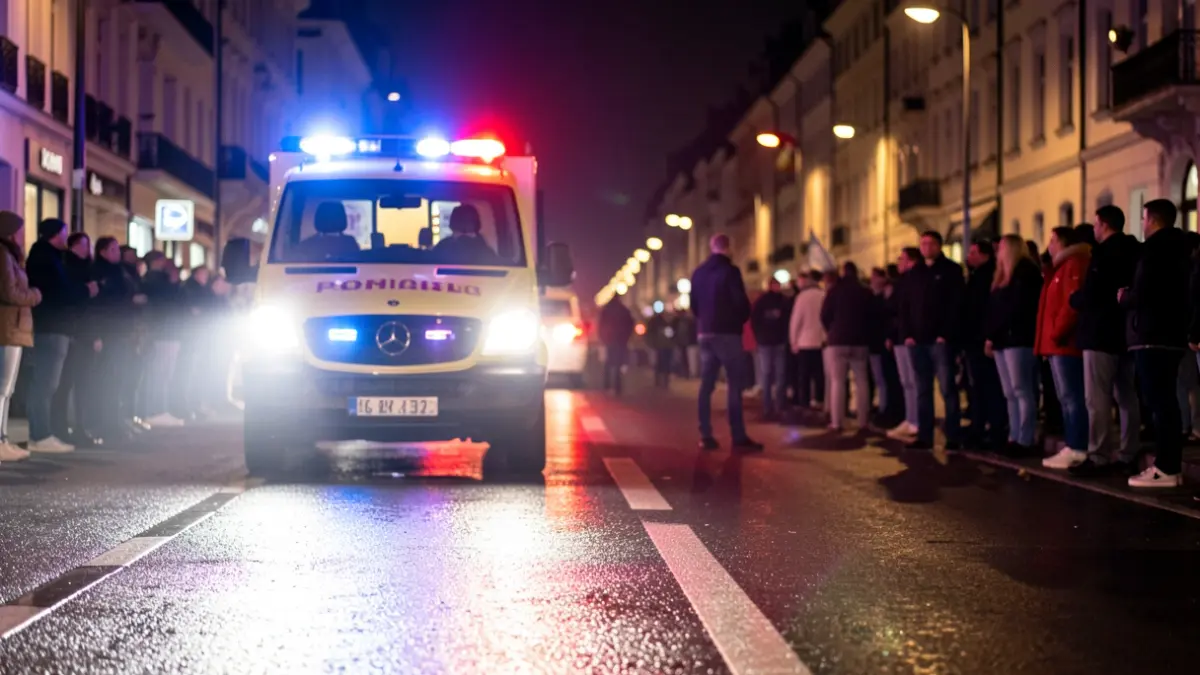
The deployment included one helicopter and 31 vehicles, such as mobile ICUs, all-terrain transport units, basic life support ambulances, and quads. For the first time, a healthcare center was established with seven consultation rooms (general medicine, pediatrics, traumatology, nursing), a reception area, triage, observation, and resuscitation, along with a mobile radiology unit, pharmacy, and storage. This operation, coordinated by the 061 of Andalusia, was active from May 19th to May 28th, featuring thirteen peripheral assistance points and a central hospital in the village.
Over 200 healthcare professionals provided assistance during the pilgrimage. The National Police Unit attached to the autonomous community conducted 142 environmental inspections and issued 213 traffic violation reports, among other consumer and animal protection actions. EMA112 handled 503 incidents, primarily health-related, traffic, and public safety issues.