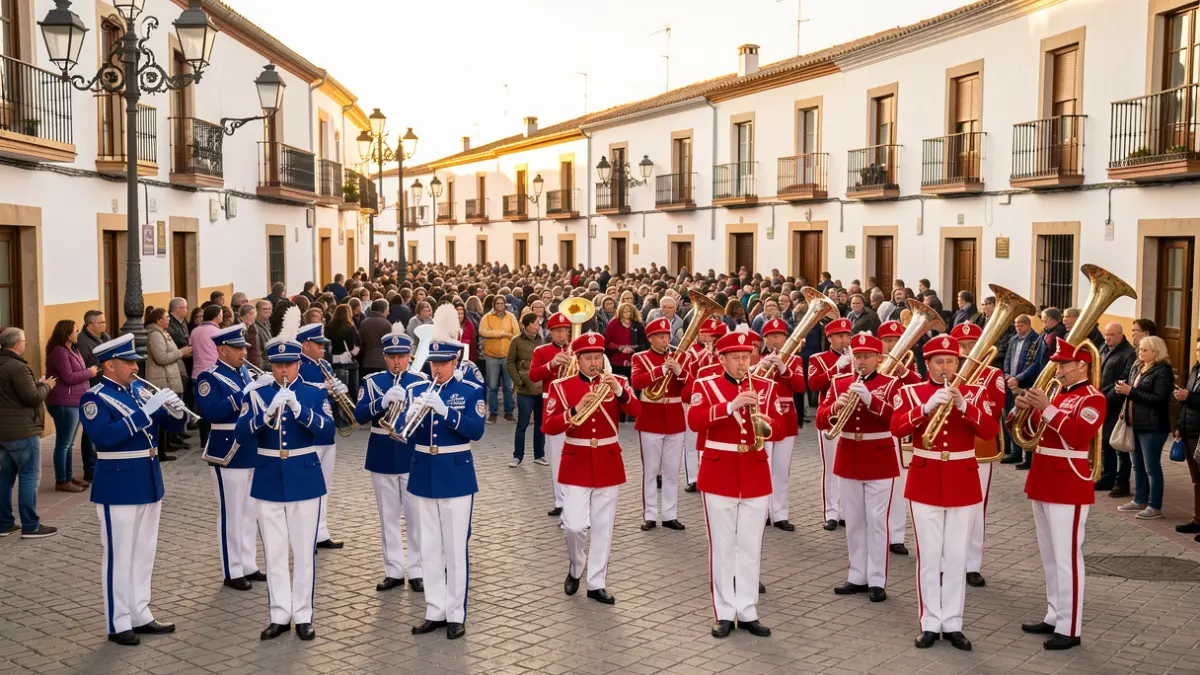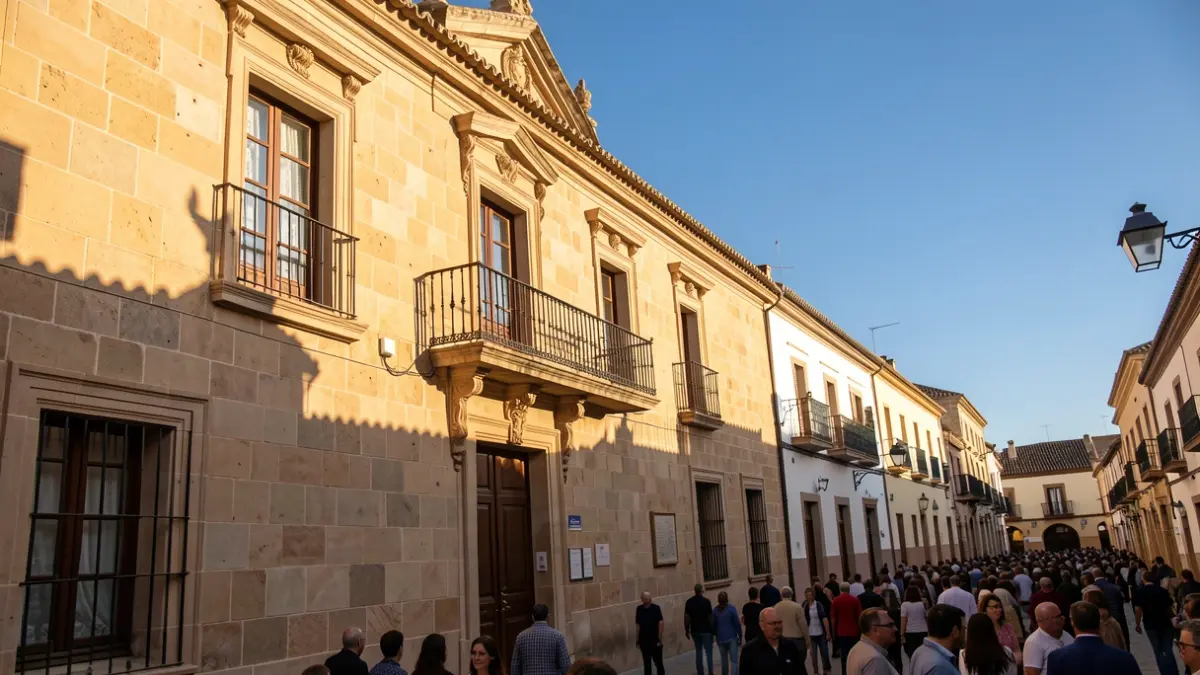
The province of Granada is a stronghold of ancient traditions that have endured through time. A clear example is the pilgrimage of the Virgen de la Cabeza in Zújar, a celebration that, for over four centuries, brings together locals and visitors around devotion, culture, and the beautiful local landscape.
This festivity, declared an Autonomous Tourist Interest Festival, takes place on the last Sunday of April. The day begins with a mass at the Iglesia de la Anunciación, located in the Plaza Mayor, before the faithful accompany the image of the Virgin on its ascent to Cerro Jabalcón, following a picturesque natural path.
What distinguishes this pilgrimage is its remarkable preservation, remaining practically identical to how it was celebrated 400 years ago. The ascent to the hill is a moment of coexistence and tradition that culminates at the hermitage, where pilgrims enjoy the festive atmosphere and the impressive views from the viewpoint. Throughout the day, typical regional flavors, such as olive oil buns and rice, are readily available.
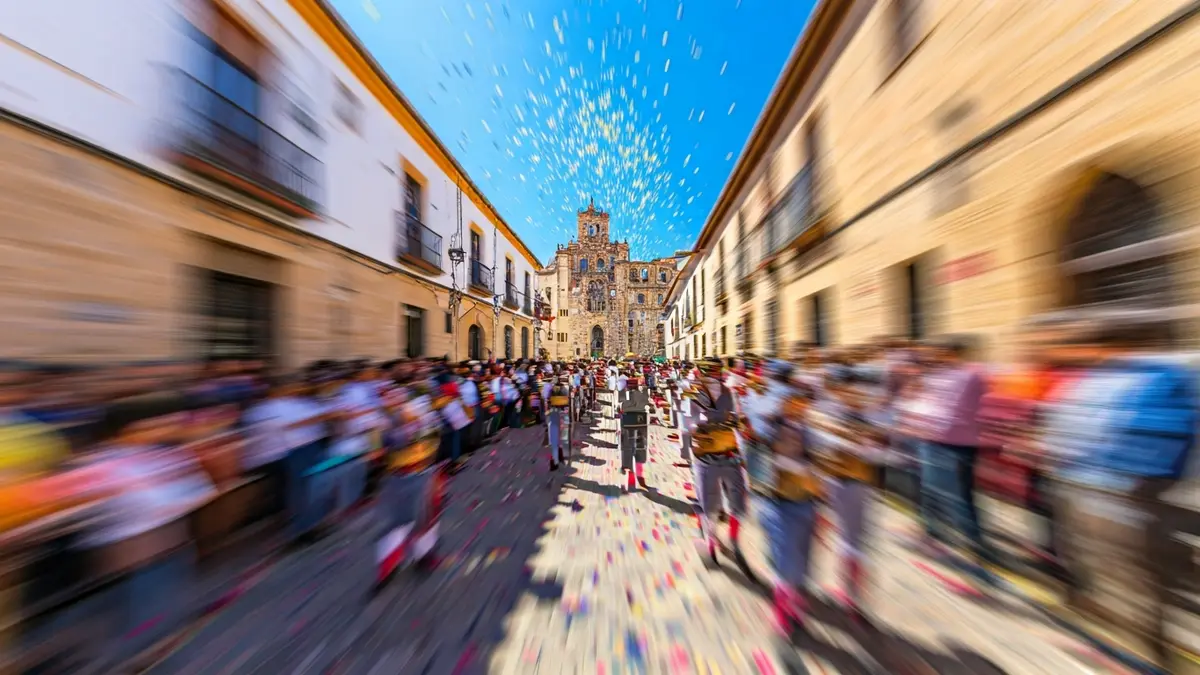
The pilgrimage is integrated into the festive program of Moors, Christians, and Devils, a celebration that reinforces the cultural character of the municipality. For four days, Zújar transforms into a large open-air theatrical stage, with colorful parades and costumes filling the streets, keeping alive a tradition that also dates back centuries.