This decision comes as the State Meteorological Agency (Aemet) has activated a yellow alert for intense rainfall across much of Granada province, with particular attention to the Genil Basin and the regions of Nevada and Alpujarra, where up to 20 liters per square meter are expected in one hour.
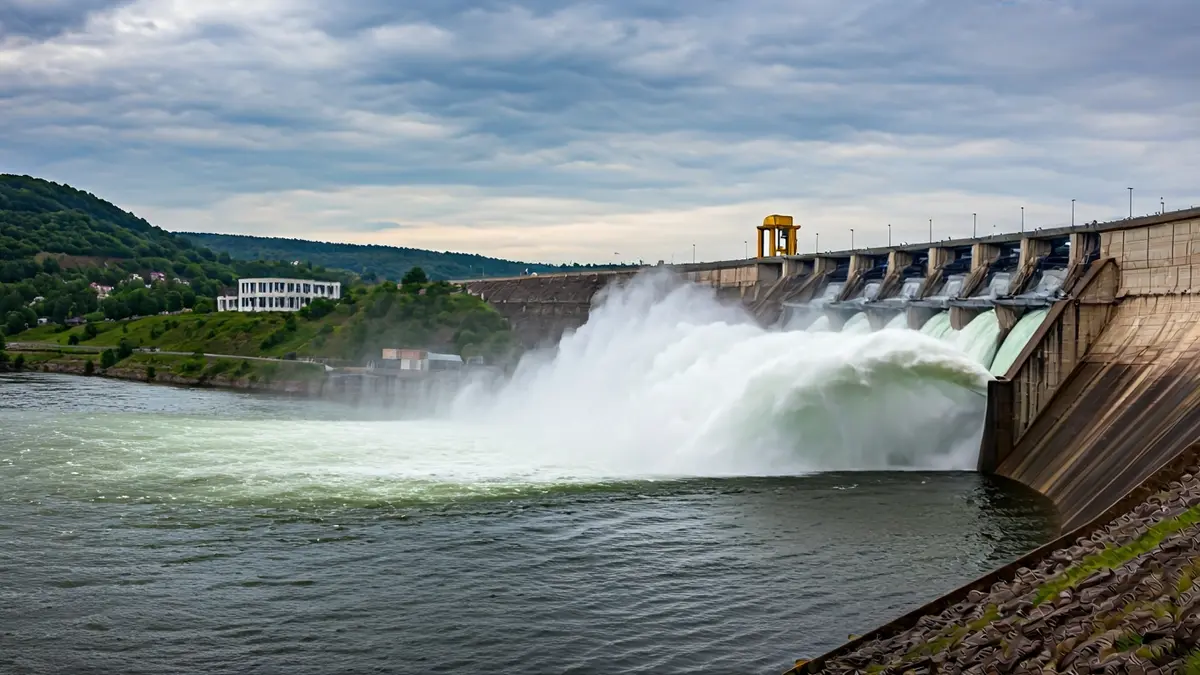
The current discharge flow, exceeding 2,000 liters per second, contrasts sharply with the approximately 120 liters per second recorded until last Wednesday. This information, provided by the Guadalquivir Hydrographic Confederation's Automatic Hydrological Information System, reflects a proactive management approach to adverse weather conditions.
Despite this increase, the volume of water released is far from the peak reached in early February, when the Quéntar reservoir discharged 72.9 cubic meters per second due to a series of storms that caused significant damage in the province. At that time, the amount of rainfall would have been enough to fill the reservoir twice.
The current state of the reservoirs in the province is favorable, with levels much higher than those of the previous autumn. In early April, the average capacity of the Guadalquivir Hydrographic Confederation's reservoirs in Granada stands at 65%, more than double what they held before this winter's succession of fronts. Notably, Colomera and Cubillas are at 100% capacity, while Quéntar is at 82%, Canales at 85%, Bermejales at 80.22%, and Portillo at 89.93%.