The 2026-2027 academic year officially kicks off in Granada for 107,061 students in Compulsory Secondary Education, Bachillerato, Vocational Training, and Adult Education, as well as elementary and professional Music and Dance studies. These students will be distributed across 255 educational centers in the province, with 80,000 attending public institutions and approximately 15,800 in subsidized private schools.
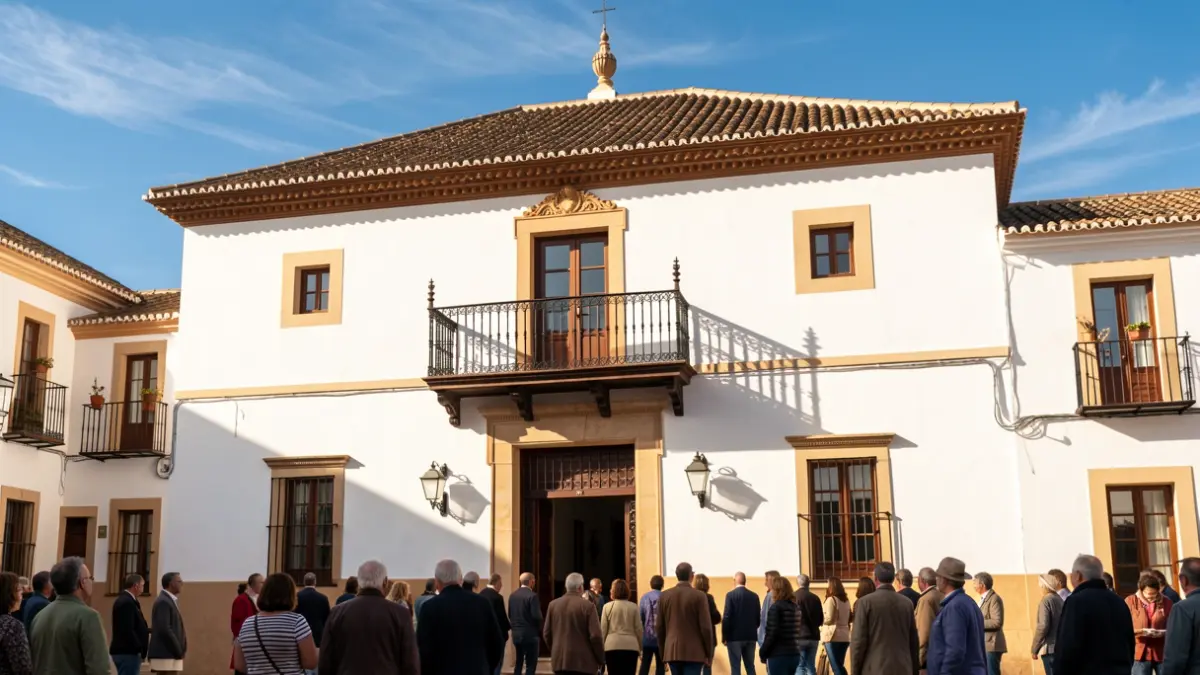
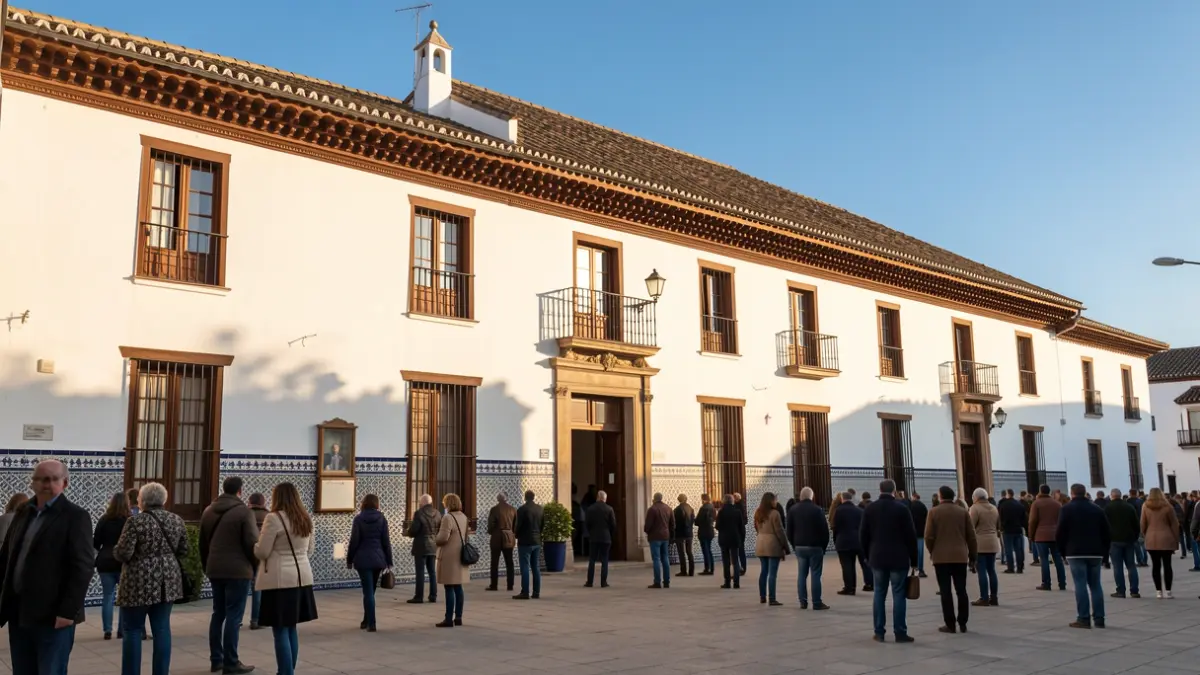
The Delegate of the Junta Government in Granada, Antonio Granados, along with the Delegate for Education, María José Martín, and the mayoress of Granada, Marifrán Carazo, visited the IES Padre Suárez to mark the start of this new academic stage. Granados emphasized that the course's commencement "demonstrates, once again, that education is a priority for the Andalusian Government," highlighting the effort in resources and teaching staff to ensure "quality, accessible, and inclusive public education."
María José Martín Gómez, Delegate for Education, pointed out the growth of public education in Granada, with 6,064 Secondary school teachers and 600 reinforcement teachers, in addition to an increase in Vocational Training, which now has 28,838 students. "These figures reflect a clear commitment to improving student support, expanding training opportunities, and continuing to advance towards quality, inclusive education connected to our society's needs," she stated.
Mayoress Marifrán Carazo congratulated the students, encouraging them to make the most of this "key" stage for "laying the foundations of our future" with "curiosity, effort, and enthusiasm." She recalled that the IES Padre Suárez has been the alma mater of figures like Federico García Lorca and Ángel Ganivet, and highlighted that Granada's youth "embody the values" of the city for 2031.
The IES Padre Suárez, founded in 1845, is an educational and cultural landmark with a rich history. The center has received 1.6 million euros from the Junta de Andalucía to modernize its facilities, including digital classrooms and repairs to facades and roofs, with an investment of nearly 470,000 euros for works and renovations, some aimed at improving safety after seismic damage.
Despite a slight decrease in Secondary and Bachillerato students (-1,200 students) due to the declining birth rate, the Andalusian Government will reinforce teaching staff, particularly in diversity support and Vocational Training, which has an additional 1,216 teachers and over 19,900 new intake places in the province.
Regarding infrastructure, 66 public educational centers in Granada will undergo improvements this academic year, with 71 planned interventions and a budget exceeding 10 million euros, benefiting approximately 25,100 students. Expansions have been completed in Guadix and Motril, and the construction of a gymnasium at the CEIP San Juan de Dios in the capital is underway.