The initiative, managed by the Maintenance department and the Parks and Gardens service, has required specialized technical assistance to assess the condition of the trees. Heavy rains and strong winds have subjected the specimens to considerable mechanical stress, causing both visible damage and potential internal weaknesses that require detailed inspection.
In total, 51,174 municipal trees with a diameter greater than ten centimeters have been analyzed using the Visual Tree Assessment (VTA) method. This methodology has allowed for a comprehensive extraordinary review of all the city's trees, ensuring a thorough evaluation of their health and stability.
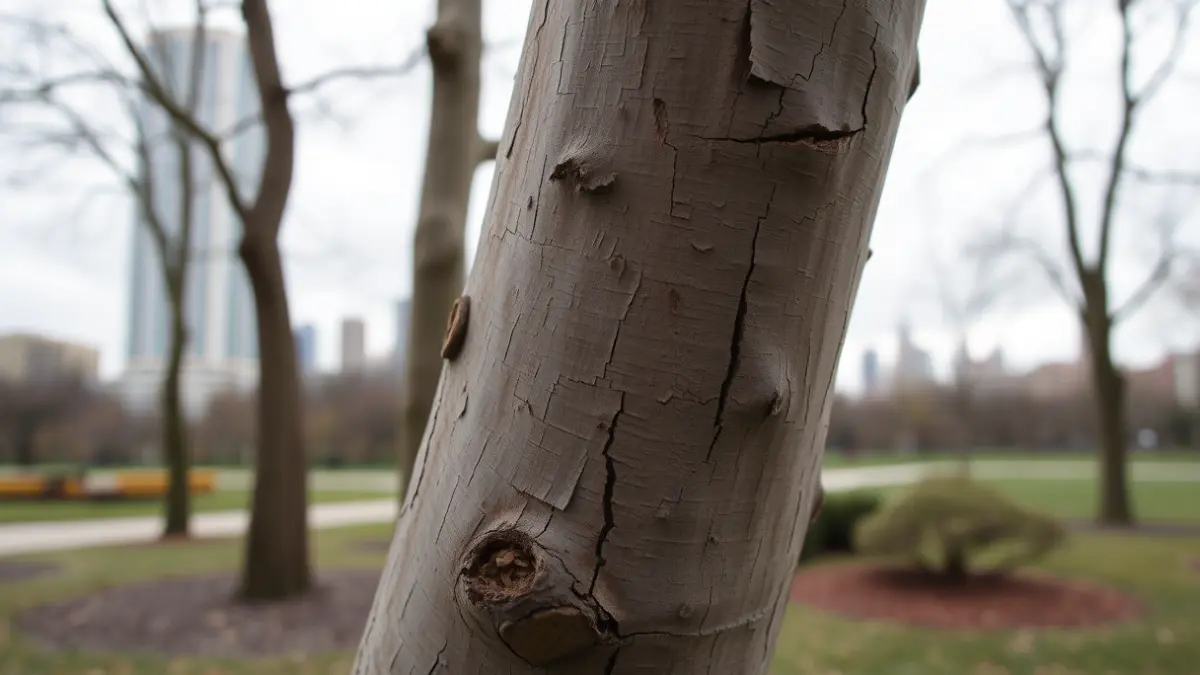
The inspection has been carried out primarily visually from the ground, using binoculars to observe the canopies and tools like the resistograph to analyze the internal condition of the trunks. Aspects evaluated include the root system, trunk inclination, and specific damage caused by the wind.
“"This action allows for a rapid response to an exceptional situation, with the main objective of guaranteeing public safety while protecting the city's green heritage."
As a result of this study, 52 incidents have been detected, including root problems, broken branches, and several trees at risk of falling. In the most severe cases, immediate intervention has been necessary, leading to the removal of specimens to prevent any danger to pedestrians and property.
The report also highlights that species such as hackberry and pagoda tree have shown good resistance to the storms, while others like poplars, pines, and cypresses have shown greater fragility, especially in water-saturated soils. Imminent danger situations identified during the work have been promptly reported for quick intervention.