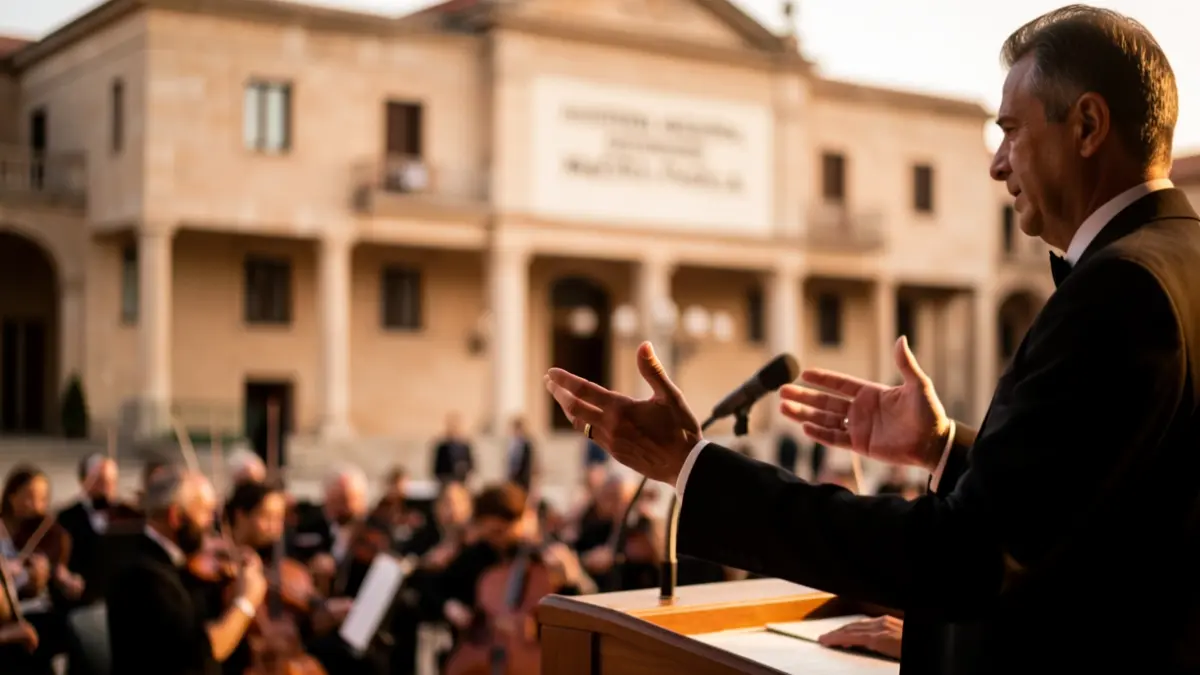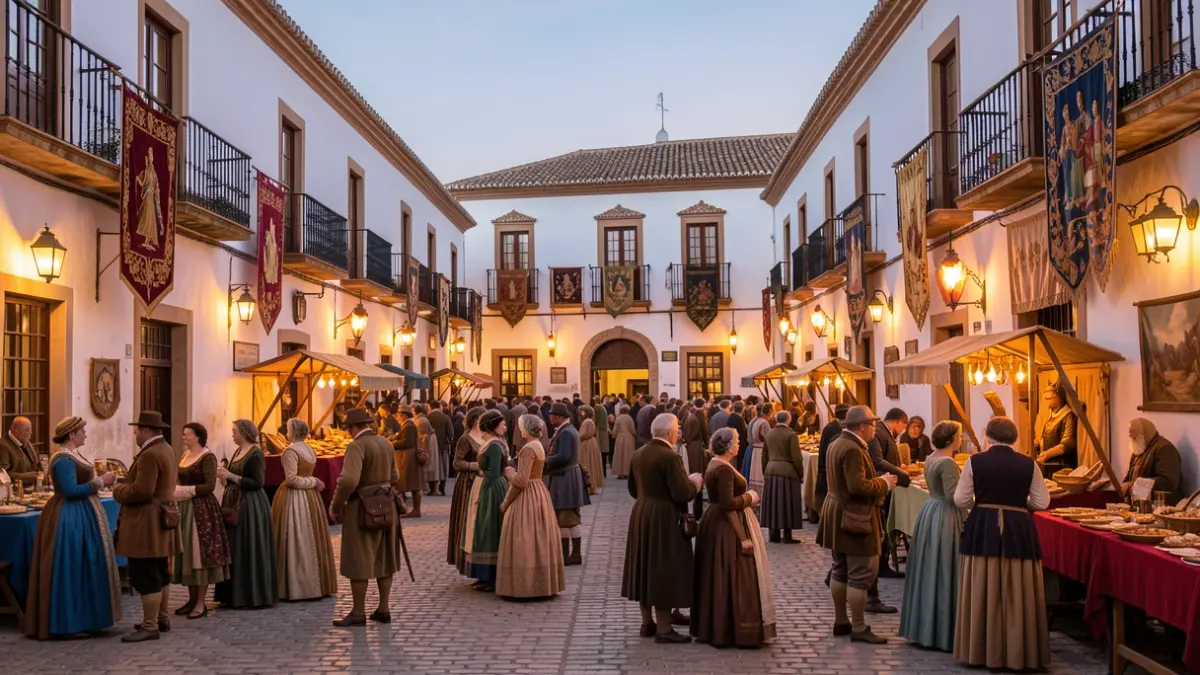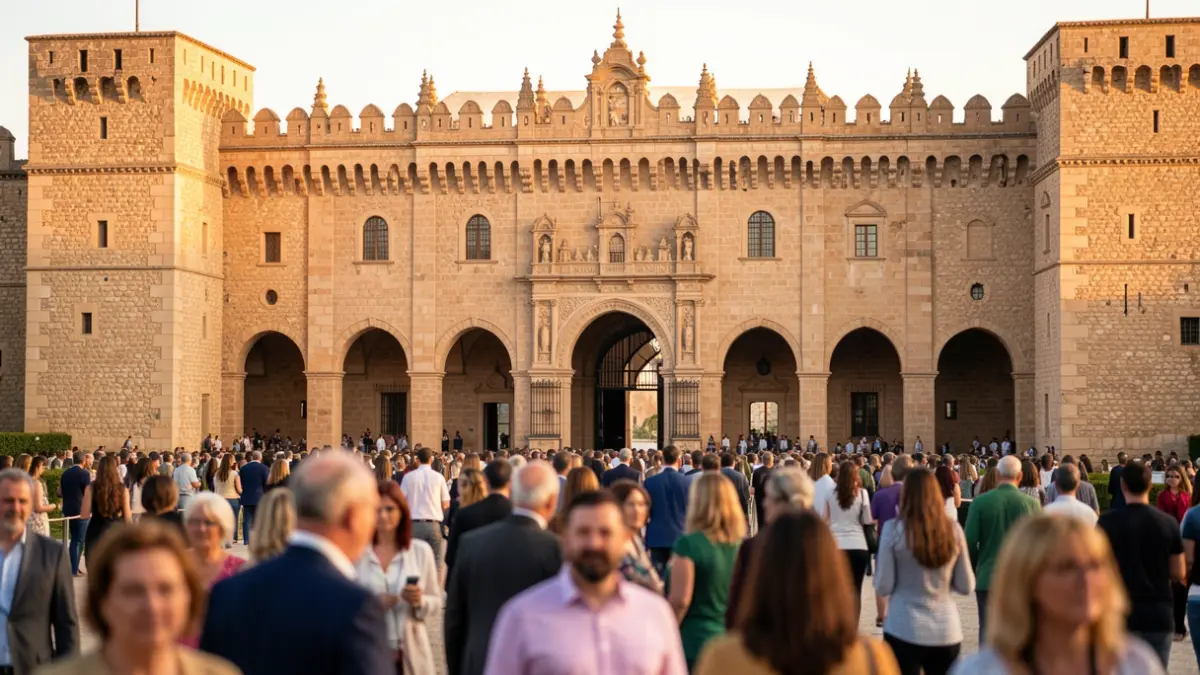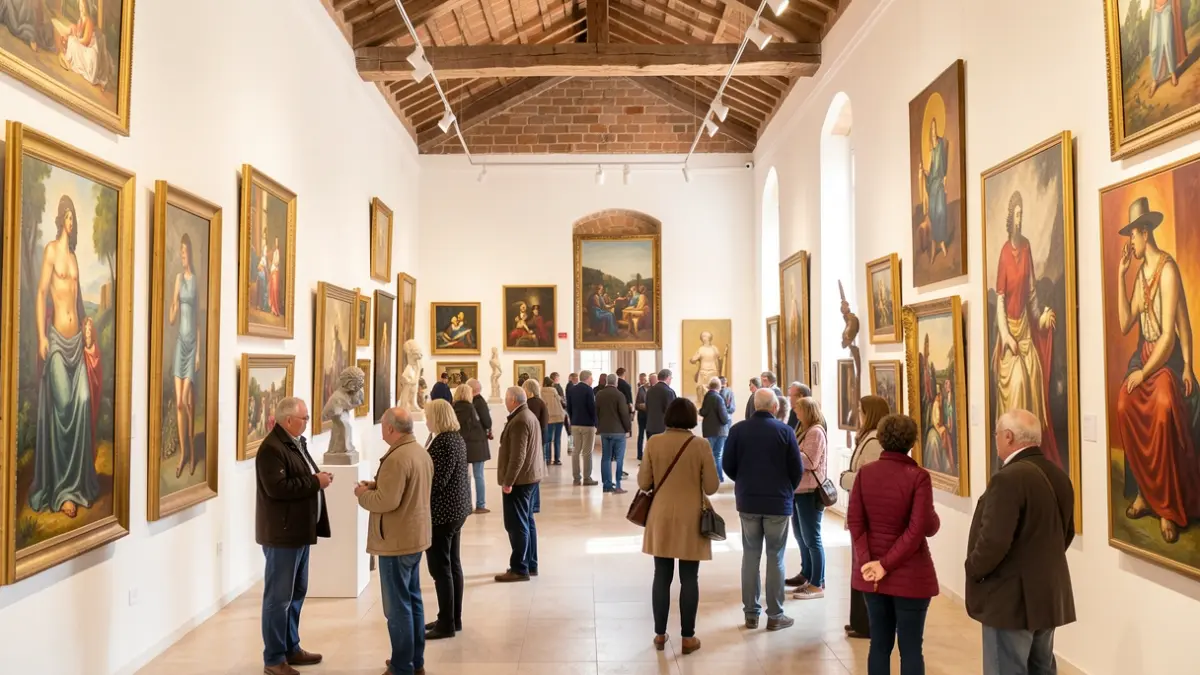
The city of Granada has successfully passed the initial screening in its bid to become the European Capital of Culture in 2031, thanks to the robust foundations of its project, as assessed by the evaluation committee. The technical report, released last Monday, portrays a balanced candidacy that highlights both the city's well-known strengths and the daily weaknesses it faces. All finalist cities have areas for improvement before the final decision, expected in December.
Among the main strengths of the Granada 2031 proposal, experts emphasize the broad and deep institutional and social support. The document notes significant political backing, the involvement of the 174 municipalities of the province, and the participation of key entities such as the University of Granada and the Chamber of Commerce, describing this consensus as “exceptionally strong”.
The city project is built upon existing initiatives, including the Urban Agenda and the Granada-Metropolis 2030/2040 Strategy, which integrate culture as a central pillar of development. The University of Granada (UGR) is another fundamental asset, recognized for its leadership in European networks and its position as a primary Erasmus destination, thereby enhancing the international dimension of the candidacy. Citizen participation is also a strong point, with over 1,300 proposals generated through initiatives like LabIN Granada and structures such as the Participation Council and the Children's Council, considered among the most robust by the evaluation panel.
Finally, the report praises the project's distinctive identity, particularly the connection between culture and science, with benchmarks such as the Science Park and the IAA-CSIC, which is seen as an original approach that could differentiate Granada from other competing cities.
The pre-selection report highlights the cultural and scientific potential of the candidacy, but points to aspects that need clarification, such as its funding and international projection.
However, the committee has also identified several weaknesses. The primary one is the complexity of the cultural program, whose structure is deemed “difficult to navigate,” potentially affecting the proposal's comprehension. Another significant shortcoming is the lack of specificity in objectives and results, with an absence of clear indicators and measurable targets, despite a well-designed evaluation system.
The European dimension is another area for improvement; although academic networks exist, the strategy to attract international audiences is considered insufficient, and reliance on the Erasmus community as a dissemination channel is perceived as limited. Funding is also a critical point, as nearly 46% of the budget depends on institutional commitments that are not yet formalized, particularly from the Junta de Andalucía and the central government, representing an urgent risk to be addressed.
Lastly, the report warns about the risks of tourist saturation, especially in heritage areas, and notes that the presented plan does not adequately address how this impact will be managed during the year of the capital city. The Granada candidacy has until November 3 to implement these suggestions and submit a new, more comprehensive and developed bid book.