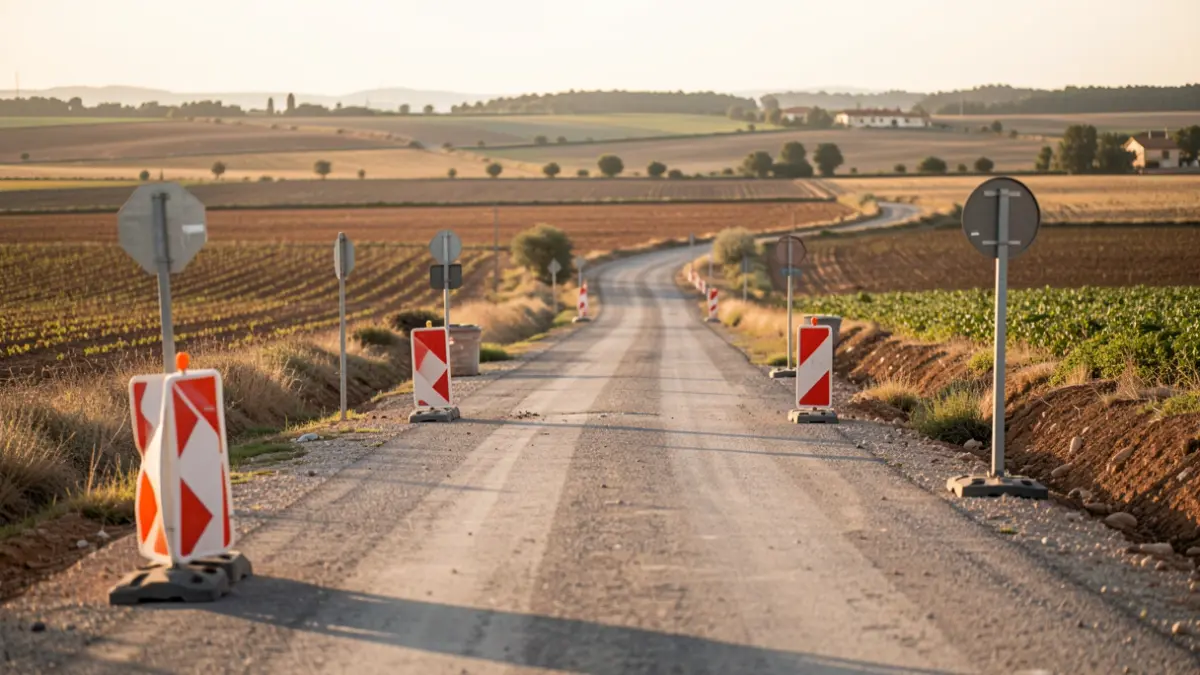
The initiative, named Calor 2026, will extend throughout the summer and as long as extreme heat conditions persist. The objective is to inform approximately 12,120 workers in the sector across the province and to ensure that companies comply with occupational risk prevention regulations.
Angustias Díaz, general secretary of CCOO Habitat Granada, highlighted the campaign's importance, noting the growing awareness of the risks associated with heatwaves. She recalled that in 2025, high-temperature alerts lasted from June to September, and this year, 2026, the first heatwave began on June 20th.
CCOO workgroups will review compliance with measures such as access to sunscreen, fresh water supply, shaded or air-conditioned areas, and work organization to perform strenuous tasks during cooler hours. It is reminded that the intensive workday scheduled for 2026, from July 1st to August 30th, does not exempt companies from taking additional measures, including halting operations if necessary.
Díaz also emphasized the protection of workers particularly sensitive to high temperatures due to pre-existing medical conditions, such as heart disease, kidney problems, diabetes, or hypertension. Monitoring these cases will be a priority.
According to the Labor Inspectorate, while non-compliance with occupational health regulations regarding high temperatures in the construction sector persists, most companies now have specific protocols. In 2025, CCOO processed over 38 complaints on this matter.
Regarding accidents, 866 incidents occurred in Granada's construction sector in 2025, although none were directly linked to heat. As of April 2026, 478 accidents have been recorded, 101 of which were 'in itinere' (during commutes), underscoring the need for continued progress in implementing occupational risk prevention.