AlmeríaCádizCórdobaGranadaHuelvaJaénMálagaSevillaAlpujarra AlmerienseLos VélezComarca Metropolitana de AlmeríaFilabres-TabernasLevante AlmeriensePoniente AlmerienseValle del AlmanzoraBahía de CádizCampiña de JerezCampo de GibraltarCosta NoroesteLa JandaSierra de CádizAlto GuadalquivirCampiña de BaenaCampiña Sur CordobesaLos PedrochesCórdoba (comarca)SubbéticaValle del GuadiatoValle Medio del GuadalquivirAlpujarra GranadinaComarca de AlhamaComarca de BazaComarca de GuadixComarca de HuéscarComarca de LojaCosta GranadinaLos MontesValle de LecrínVega de GranadaEl AndévaloEl Condado de HuelvaCosta OccidentalCuenca MineraComarca Metropolitana de HuelvaSierra de HuelvaÁrea Metropolitana de JaénCampiña de JaénEl Condado (Jaén)La LomaSierra de CazorlaSierra MáginaSierra MorenaSierra de SeguraSierra Sur de JaénLas VillasComarca de AntequeraLa AxarquíaGuadaltebaCosta del Sol OccidentalMálaga Costa del SolNorormaValle del GuadalhorceSerranía de RondaSierra de las NievesAljarafeBajo GuadalquivirCampiña de CarmonaCampiña de Morón y MarchenaComarca de ÉcijaComarca Metropolitana de SevillaSierra Norte de SevillaSierra Sur de SevillaVega del GuadalquivirAlmeríaCádizCórdobaGranadaHuelvaJaénMálagaSevillaAlpujarra AlmerienseLos VélezComarca Metropolitana de AlmeríaFilabres-TabernasLevante AlmeriensePoniente AlmerienseValle del AlmanzoraBahía de CádizCampiña de JerezCampo de GibraltarCosta NoroesteLa JandaSierra de CádizAlto GuadalquivirCampiña de BaenaCampiña Sur CordobesaLos PedrochesCórdoba (comarca)SubbéticaValle del GuadiatoValle Medio del GuadalquivirAlpujarra GranadinaComarca de AlhamaComarca de BazaComarca de GuadixComarca de HuéscarComarca de LojaCosta GranadinaLos MontesValle de LecrínVega de GranadaEl AndévaloEl Condado de HuelvaCosta OccidentalCuenca MineraComarca Metropolitana de HuelvaSierra de HuelvaÁrea Metropolitana de JaénCampiña de JaénEl Condado (Jaén)La LomaSierra de CazorlaSierra MáginaSierra MorenaSierra de SeguraSierra Sur de JaénLas VillasComarca de AntequeraLa AxarquíaGuadaltebaCosta del Sol OccidentalMálaga Costa del SolNorormaValle del GuadalhorceSerranía de RondaSierra de las NievesAljarafeBajo GuadalquivirCampiña de CarmonaCampiña de Morón y MarchenaComarca de ÉcijaComarca Metropolitana de SevillaSierra Norte de SevillaSierra Sur de SevillaVega del Guadalquivir

Andalusia: The Seismic Memory of a Constantly Moving Land

A review of the most devastating earthquakes that have marked the region's history, from the 1755 tsunami to the Granada quakes.

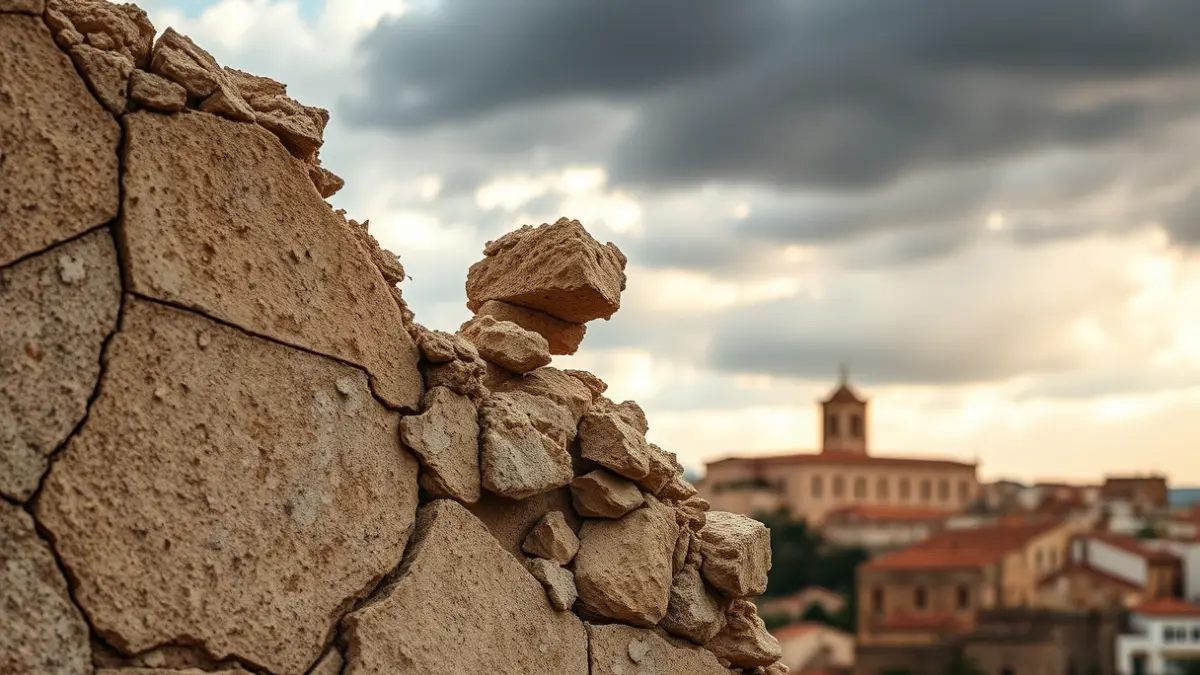
Image of a cracked stone wall, symbolizing earthquake damage in Andalusia.
IA

Image of a cracked stone wall, symbolizing earthquake damage in Andalusia.

The history of Andalusia is marked by the force of nature, with earthquakes that have left an indelible mark on its geography and the collective memory of its inhabitants, fostering prevention and resilience.

The Andalusian region has been the scene of numerous telluric movements throughout the centuries, some of them with catastrophic consequences. These events have not only transformed the landscape but have also forged the identity of its communities, which have learned to coexist with seismic activity.
One of the most significant episodes was the great Lisbon earthquake of November 1, 1755. This tremor, originating in the Atlantic, generated a devastating tsunami that violently struck the coasts of Huelva and Cádiz. In the capital of Cádiz, popular tradition recounts the intervention of the Virgen de la Palma to contain the waters, an event that spurred the birth of modern seismology and the creation of new settlements like Isla Cristina.
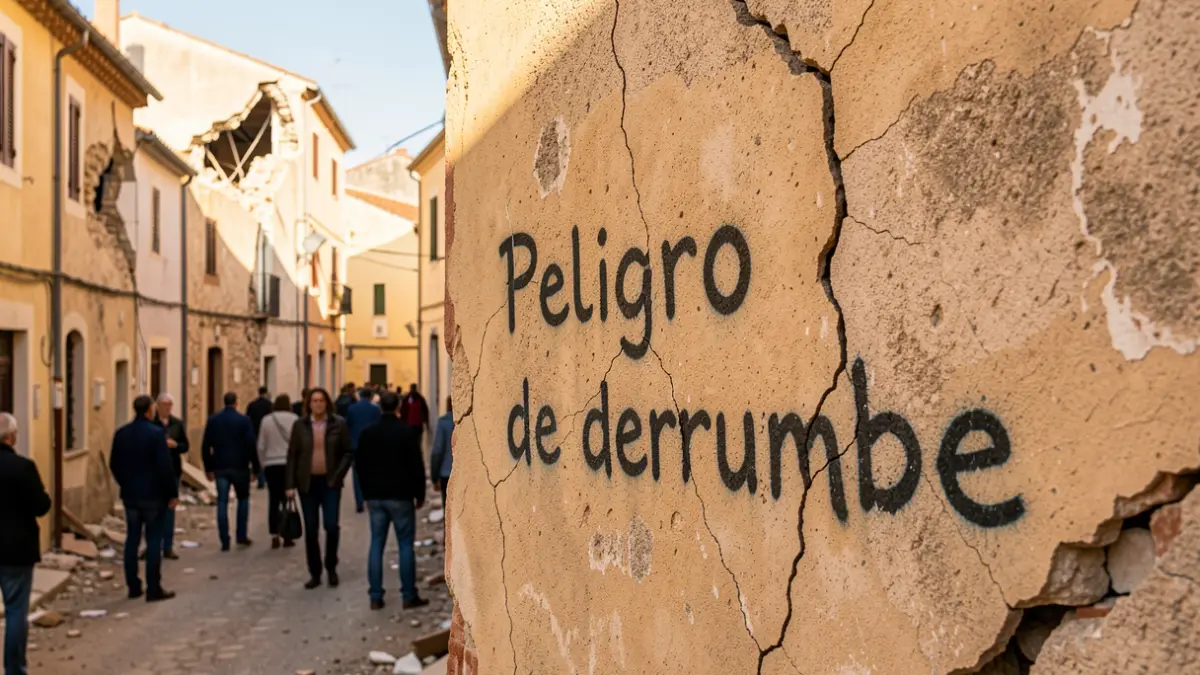
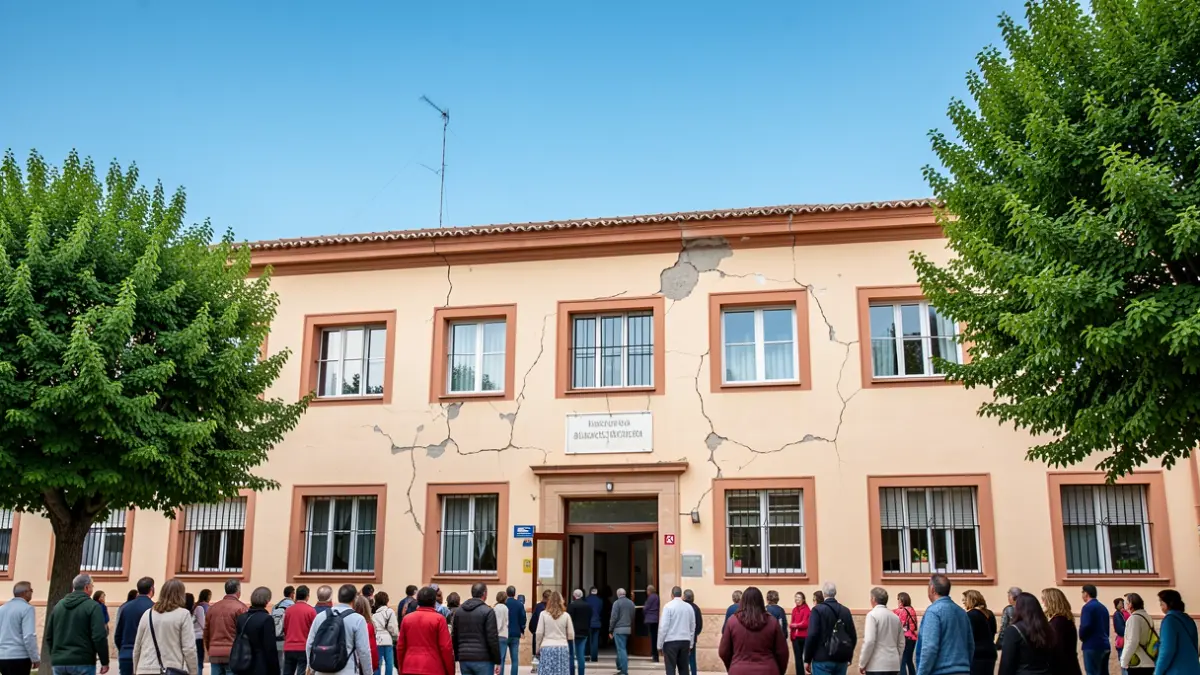
The province of Granada has historically been one of the areas most affected by seismic activity. The Arenas del Rey earthquake in 1884 is remembered as one of the most tragic, with approximately 900 fatalities. Decades later, on April 20, 1956, the towns of Albolote and Atarfe suffered a new earthquake that left twelve dead and hundreds injured, deeply affecting a generation of Granadans.

"The earth shook furiously, and that event changed their lives in a single instant."

a resident who witnessed the disaster
The seismic chronology of Andalusia is extensive, with records of significant tremors such as that of April 11, 1431, which destroyed Atarfe, that of Carmona on April 5, 1504, with 32 victims, or that of Almería on November 9, 1518, which caused 165 deaths and the destruction of Vera. More recently, on February 28, 1969, a 7.8-magnitude earthquake with an epicenter off Cape St. Vincent was strongly felt throughout the region, causing collapses and fatalities in Huelva.
These historical events underscore the importance of preparation and awareness in an area with geological activity. Knowing the past allows for the design of a safer future, where architecture and civil protection work to mitigate risks and protect the population. Resilience and solidarity among Andalusian provinces are key to facing the unpredictability of nature.