The Strait Crossing Operation (OPE) commenced this Monday at the Port of Motril, involving over 400 professionals from various agencies. The operation, running until September 15th, aims to manage the significant flow of travelers between Europe and North Africa, which exceeded 120,000 last year. This year's operation features substantial human and technological reinforcements.
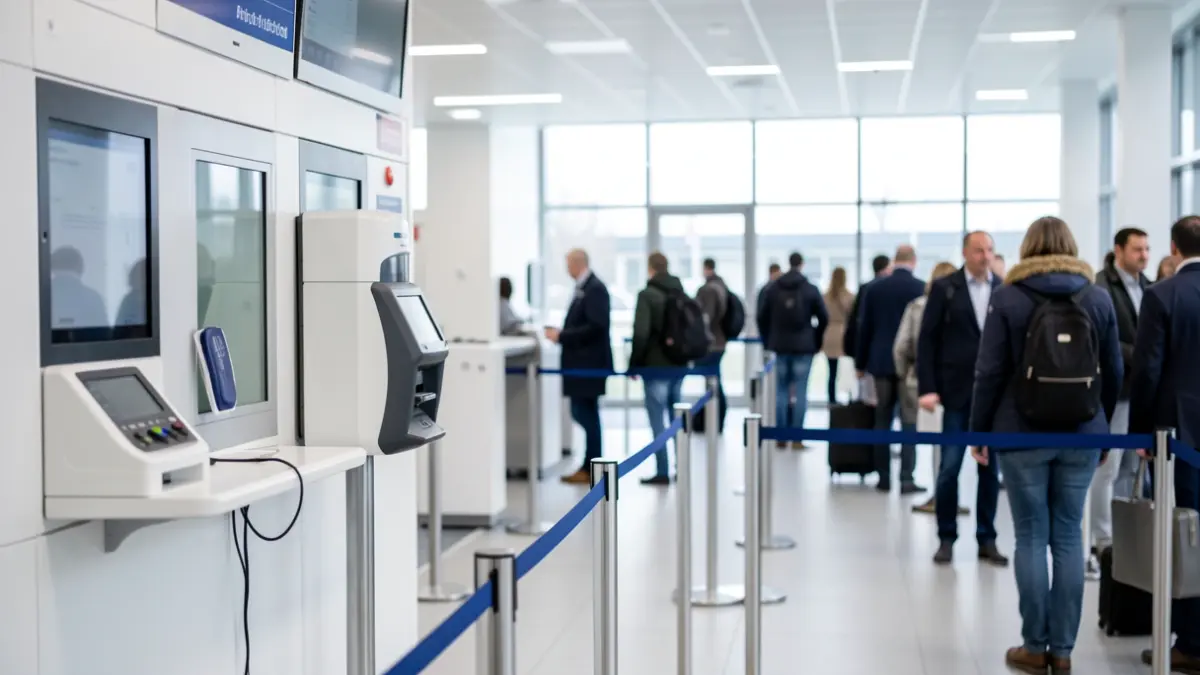
Key technological innovations include a system for real-time information management and the automation of non-EU traveler registration. This new platform replaces manual passport stamping with mandatory biometric data capture, such as fingerprints and facial recognition. The system, similar to those at major international airports like Madrid-Barajas, utilizes automated kiosks for expedited passport scanning and verification, always under the supervision of National Police officers.
Regarding human resources, the presence of State Security Forces and Corps has been bolstered with 30 additional agents from the Guardia Civil and ten from the National Police. The Port Police has also increased its personnel with four new officers.
The fleet plan includes connections to Melilla, Alhucemas, and Nador, operated by Armas-Trasmediterránea. The vessels Volcán de Tamadaba and Volcán de Timafanfaya will serve these routes with varying weekly rotations, supplemented by the ship Almariya on the Melilla line.
Further key infrastructure for the OPE includes the new Guardia Civil building and a customs inspection shed, both located within the port complex. The pre-embarkation area spans over 40,000 square meters, accommodating 1,200 vehicles, and offers amenities such as restrooms, dining facilities, and a consular office for Morocco.
A health device comprising 18 personnel for urgent care and transport has been established, alongside a social care module with eight professionals. Hygienic-sanitary controls are intensified, and traveler information is enhanced through the Directorate-General for Traffic and institutional websites.
“"The Strait Crossing Operation constitutes each year an extraordinary example of coordination between administrations and public bodies serving citizens. Our objective is to ensure that the thousands of travelers using the Port of Motril during these months do so under the best conditions of safety, agility, and care."
“"The experience gained over the years allows us to face this new edition with full guarantees. All involved organizations have made a significant planning effort to respond effectively during peak times and offer a quality service to travelers."
“"These actions reinforce the port's operational capacity, improve security, and consolidate Motril as one of the main connection points between Europe and Africa."
The Port of Motril is one of five Andalusian enclaves participating in this logistical operation, alongside Algeciras, Tarifa, Málaga, and Almería.