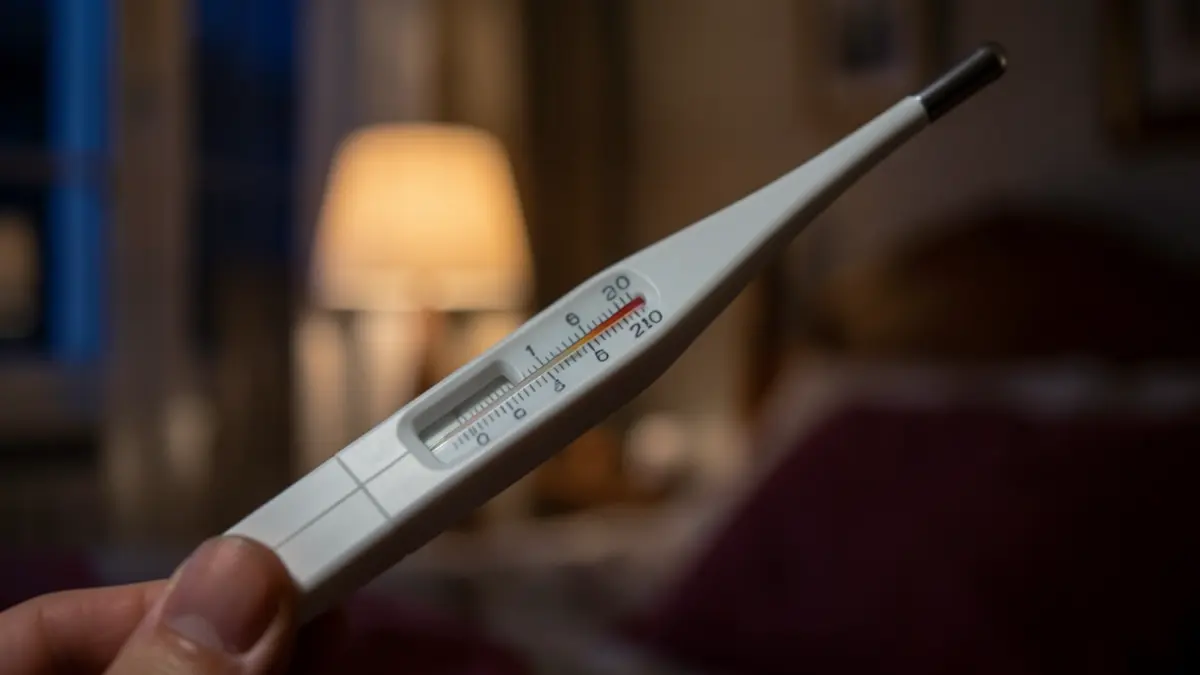
Many patients try to endure nighttime symptoms at home, fearing or doubting whether to go to the Emergency Room. Dr. Esther Hurtado, head of the Emergency Service at Quirónsalud Marbella Hospital, notes that the nighttime environment can intensify symptom perception due to uncertainty and vulnerability. This delay, according to the doctor, can lead to patients arriving in more advanced stages of their illness.
Dr. Auxiliadora Caballero, coordinator of the Emergency Service at Quirónsalud Infanta Luisa Hospital in Seville, warns against self-medication and minimizing symptoms as common mistakes. Using painkillers at night can mask the guiding symptom, such as pain or fever, making subsequent diagnosis at the hospital more difficult.
The experts emphasize the importance of early consultation for potentially severe symptoms. For instance, sudden, high-intensity, oppressive, central chest pain radiating and accompanied by nausea, vomiting, or cold sweats experienced in the early morning should prompt immediate consultation.
Key warning signs for going to the ER at night include: any sudden onset of pain not relieved by analgesics; fever above 38.5 degrees Celsius that doesn't subside and is accompanied by general deterioration; altered level of consciousness; significant bleeding; intense abdominal pain; severe trauma; and seizures.
Dr. Caballero stresses that delaying an ER visit at night can endanger a patient's life or health, especially with time-dependent conditions like stroke, acute coronary syndrome, or sepsis, where 'time is gold'.