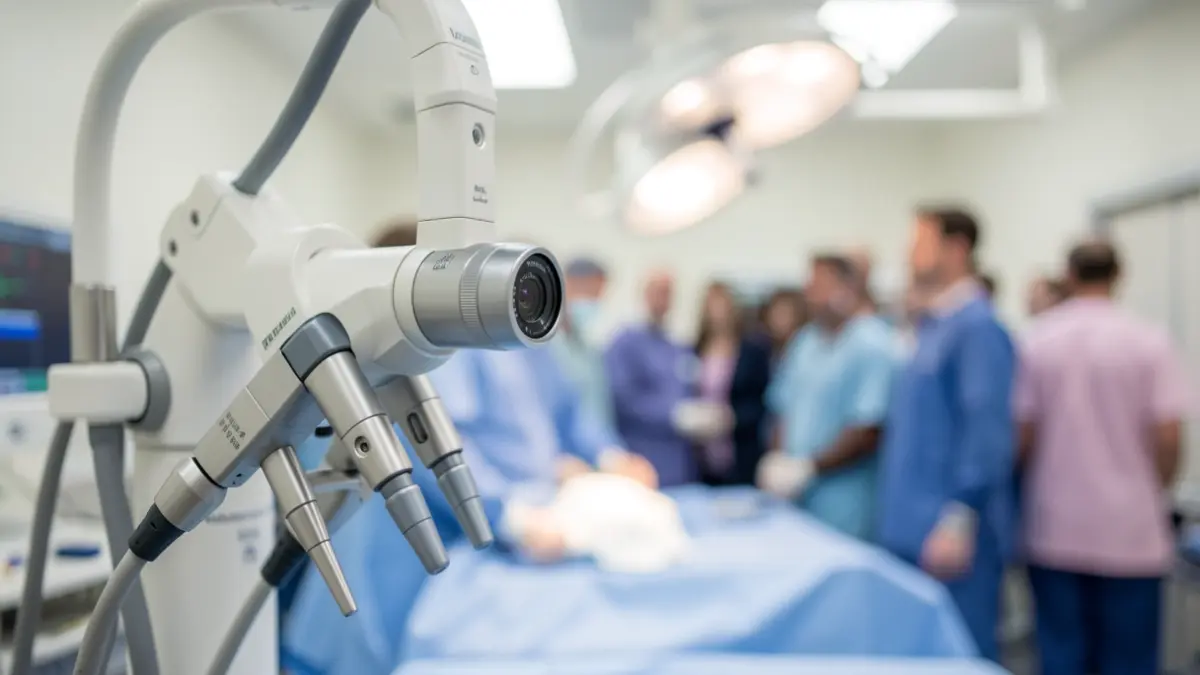
This innovative technique utilizes a high-definition camera and specific instruments to address spinal problems, offering an alternative to traditional surgery. Dr. Javier Guerrero, head of the hospital's Spine Unit, highlights that endoscopic surgery minimizes impact on the patient's anatomy and tissue damage.
Different endoscopic approaches exist, such as interlaminar discectomy for lumbar disc herniations and transforaminal approach for herniations at the nerve exit zone. Techniques for spinal stenosis are applied in cases of nerve compression due to lumbar canal narrowing, common with aging.
Clinical benefits for the patient include less postoperative pain, reduced bleeding, lower infection risk, and shorter hospital stays. Many patients can resume their usual activities quickly after the procedure.
The key is always correct indication and choosing the appropriate approach for each case.
Accurate diagnosis, combining MRI, CT scans, or X-rays with clinical examination, is crucial to determine the procedure's suitability. Dr. Guerrero emphasizes the importance of treating people, not just medical images.
Endoscopic surgery requires high specialization and continuous training. Medium and long-term results, in correctly selected patients, are comparable or superior to traditional surgery, especially in functional recovery and postoperative pain relief.