Engaging in sports, particularly football, can be a significant aid for individuals with knee osteoarthritis, challenging the long-held belief that rest is the only solution. Modern research highlights that controlled, adapted movement is crucial for reducing pain, enhancing mobility, and strengthening muscles, thereby preventing a cycle of inactivity and increased disability.
Osteoarthritis is now understood not merely as age-related wear and tear, but as a complex condition involving chronic inflammation and metabolic dysfunction. Regular physical activity helps combat this inflammation, improves insulin sensitivity, and promotes beneficial cellular responses within the joint itself, maintaining cartilage health and lubrication.
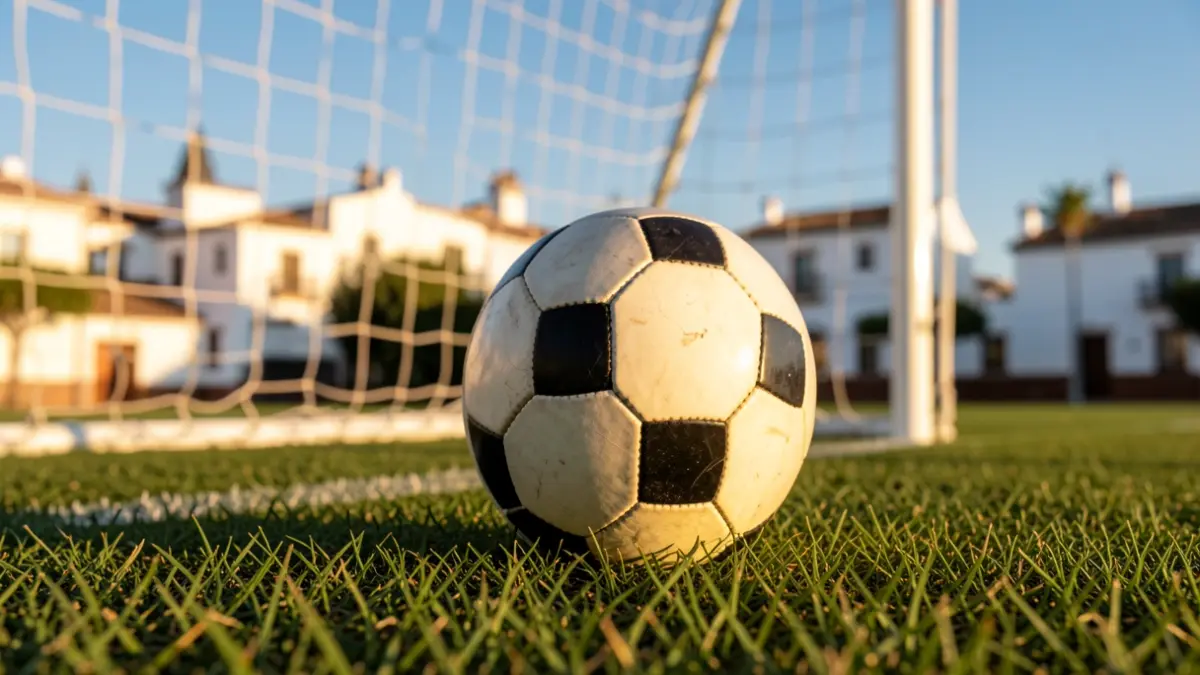
While traditional football, with its sprints, sudden changes of direction, and jumps, can place considerable stress on affected knees, a popular alternative is emerging: 'Walking Football'. This modified version, designed for older adults and those with mobility limitations, prohibits running, minimizes physical contact, and emphasizes skill and enjoyment over intense competition.
'Walking Football' offers cardiovascular, muscular, and social benefits comparable to conventional football but with significantly reduced joint loading and lower injury risk. For many residents on the Costa del Sol, where leagues and recreational groups for this sport are growing, it provides an excellent way to stay active and socially connected.
Other recommended activities include walking, swimming, water-based exercises, cycling, and disciplines like Tai Chi, therapeutic yoga, or Pilates. Caution is advised for high-impact activities or those involving abrupt directional changes, although the suitability of any exercise depends on individual factors such as symptom severity and overall fitness.
Beyond knee-specific benefits, regular exercise positively impacts blood sugar control, systemic inflammation, and mental health, all vital for those experiencing chronic pain. Staying mobile, by choosing the right activity, is key to slowing functional decline and improving quality of life.