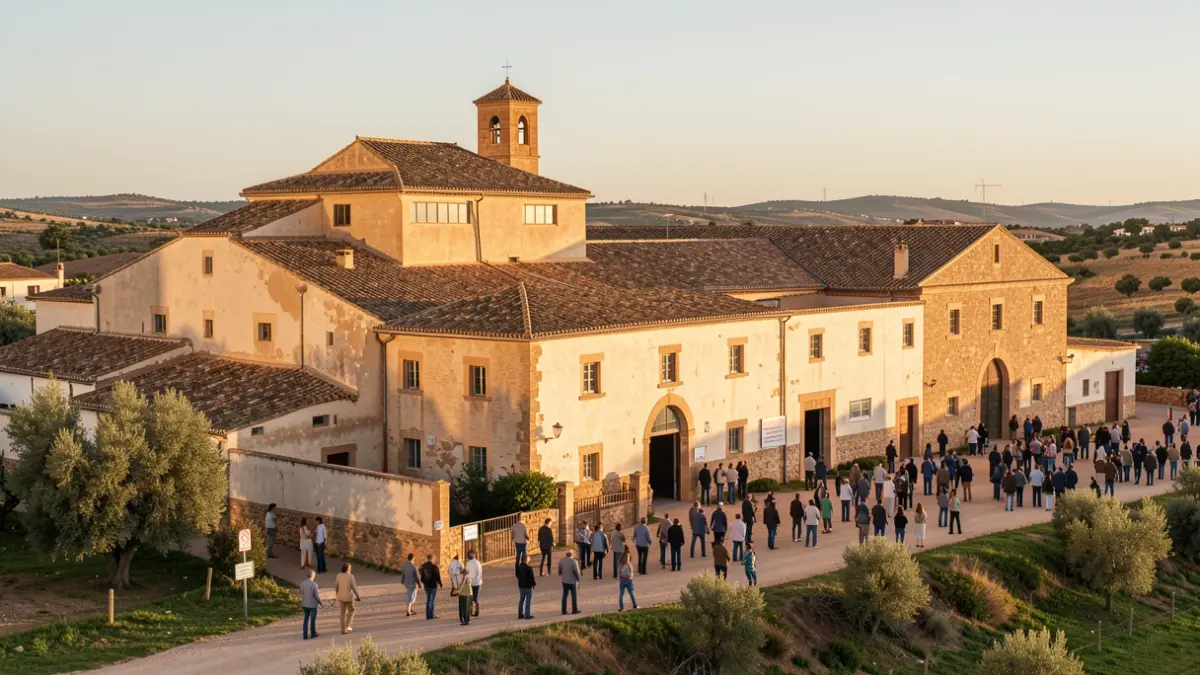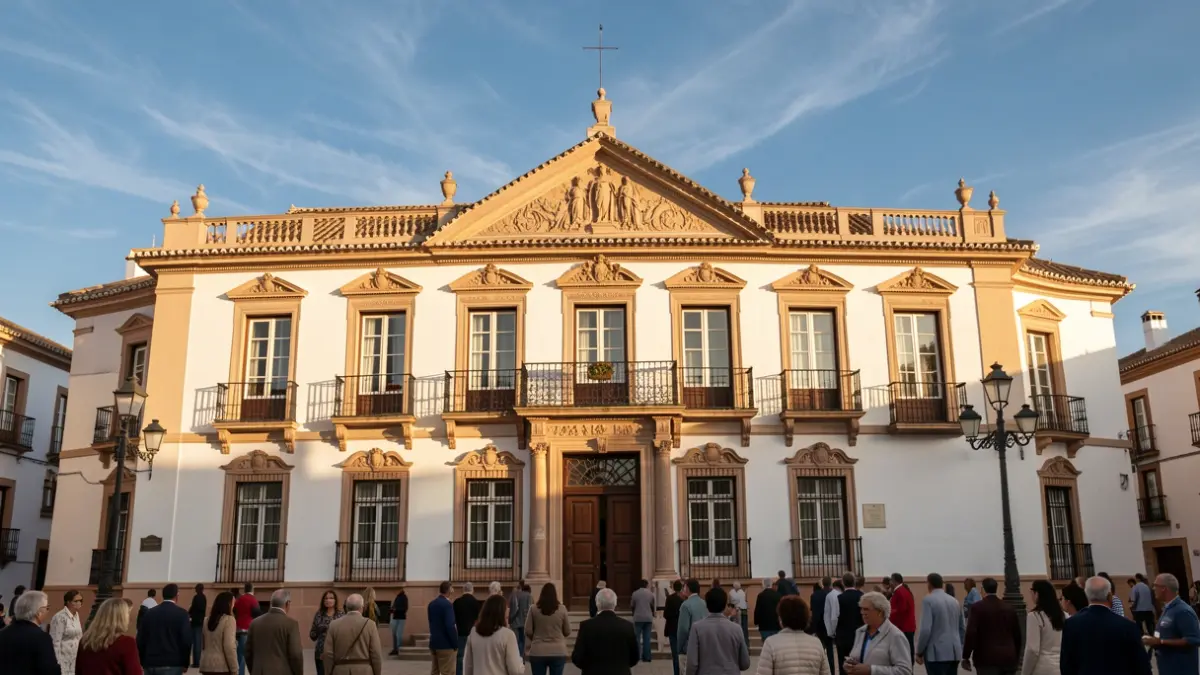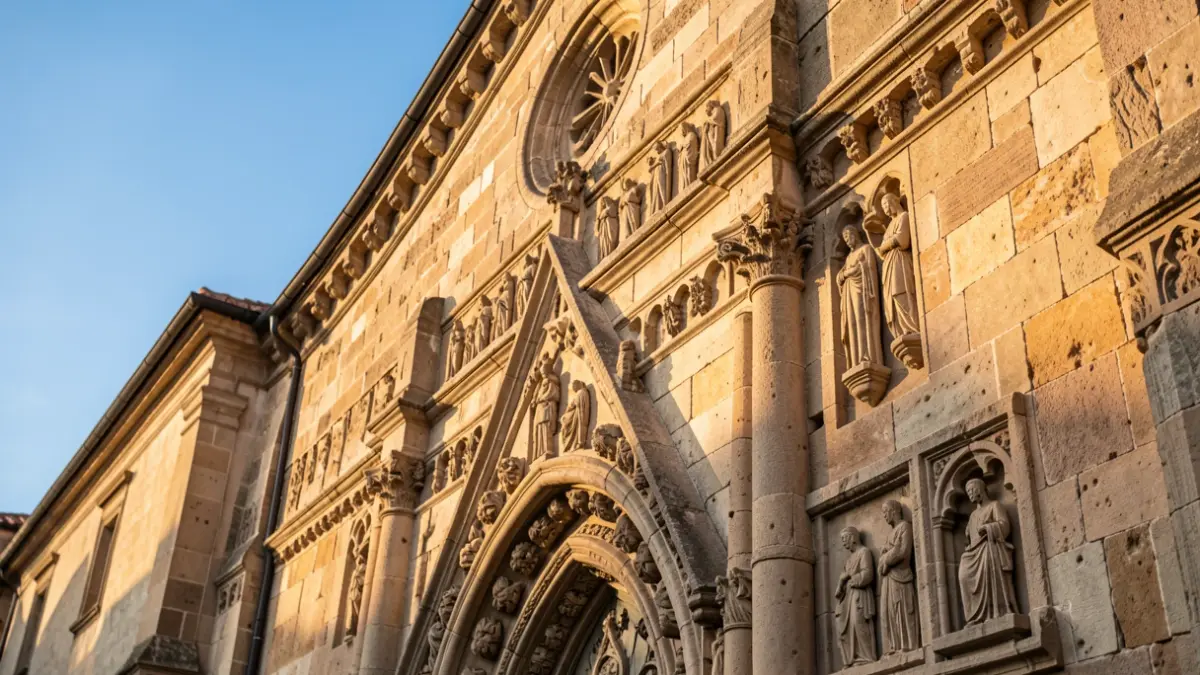
The publishing house Almuzara is finalizing the publication of the work titled 'The Church of the Juramento de San Rafael and the Córdoba of its Time (1652-2025)', by historian Enrique Garrido. The book, based on his doctoral thesis defended at the University of Seville, is expected to be available in bookstores after the summer period.
Garrido explains how the devotion to Saint Raphael, fueled by historical events such as the 1649 epidemic, the prior apparitions of the archangel in 1578, and the Lisbon earthquake of 1755, has led to the replacement of three temples on the same site over the centuries.
Garrido's research, supervised by professor Alberto Villar, has brought to light numerous significant names in architecture, sculpture, and painting who contributed to the church's construction and embellishment. These include masters like Lorenzo Francisco, Francisco Díaz, Vicente López Cardera, and Juan Antonio Cardera Rojas in architecture, and sculptors such as Fernando Luis Díaz de Pacheco, Juan Prieto, and Francisco Arellano.
The book's cover summarizes its essence: 'the history of the church that a city built over three centuries in honor of the archangel who swore to protect it.' It also reveals details such as an old print of Nuestra Señora del Pozo, co-patroness of the brotherhood of San Rafael, and recounts the restitution of this image in the hermitage of San Rafael.
Concurrently, the Interpretation Center of the Juramento de San Rafael has launched a series of educational videos. In these, the church's vice-rector, Adolfo Ariza, delves into the figure of Saint Raphael through the Book of Tobit, a biblical text crucial for understanding the devotion to the archangel in Córdoba. This initiative aims to convey the historical, religious, and spiritual significance of Saint Raphael and the role of the Church of the Juramento as a key devotional site.
The rector of the Church of the Juramento de San Rafael, Fernando Cruz Conde, emphasizes that the video series intends to offer content that enhances the understanding of Saint Raphael's identity and the deep-rooted nature of his devotion in the city, disseminated through digital channels linked to the church and the interpretation center.