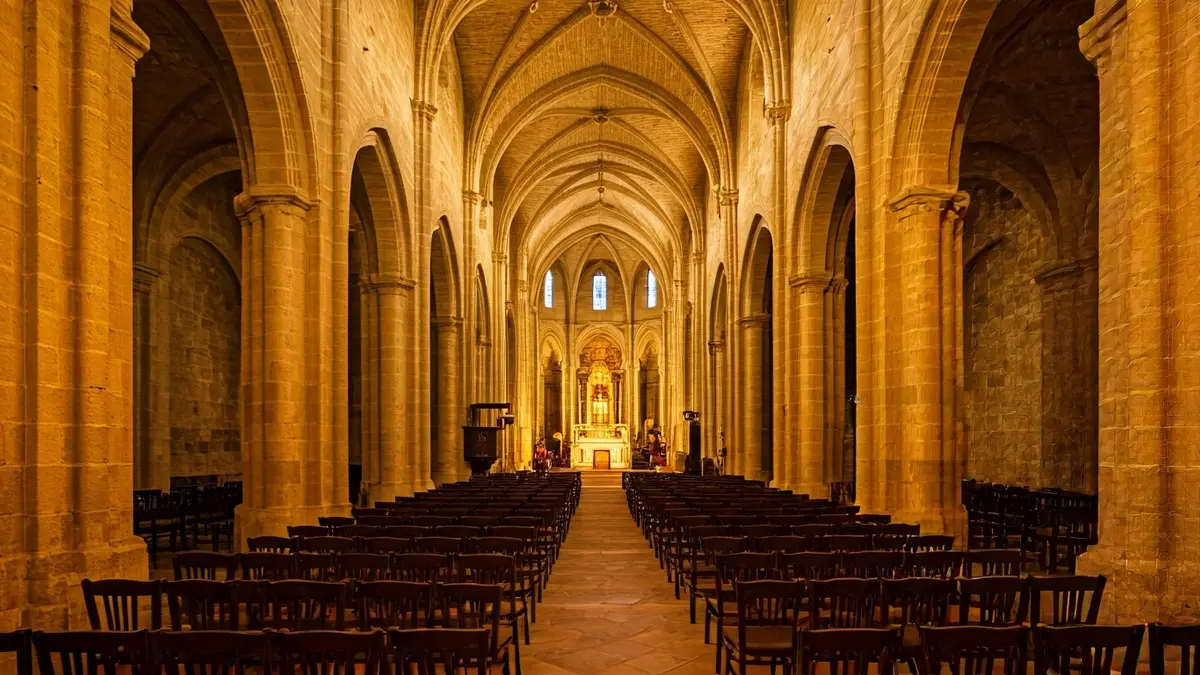
The non-profit organization has submitted an environmental qualification application, a crucial step to expand the cultural activities already hosted at the temple. This effort is part of a comprehensive project designed to improve the building's accessibility, correct structural deficiencies, and technically adapt the edifice to enhance its value as a cultural and social meeting point in Córdoba.
Currently, the project is undergoing administrative processing with various institutions. In addition to the environmental qualification request to the Municipal Urban Planning Management (GMU) of the Córdoba City Council, there are also pending procedures with the Junta de Andalucía regarding cultural matters. The Kutxabank Foundation has confirmed that the mandatory archaeological excavations will be carried out, a fundamental step for the final definition of the work's execution.
The duration of these administrative procedures currently prevents setting a precise timeline for the completion of the adaptation works. The budget has also not been updated, although two years ago, an investment exceeding one million euros was already estimated.
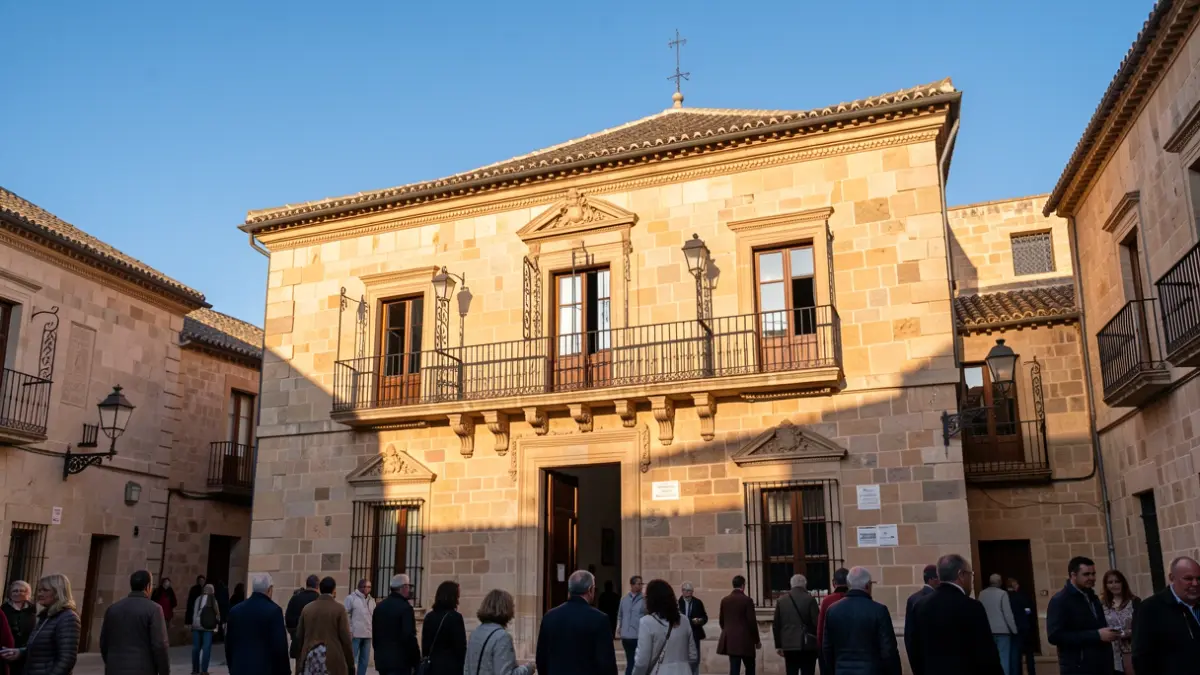
The Church of La Magdalena, which gives its name to the neighborhood, is one of the fourteen Fernandine churches ordered to be built by Fernando III el Santo after the Christian conquest of Córdoba in 1236. With a floor plan of 600 square meters, it ceased to be a parish at the end of the 19th century and was definitively closed for worship in 1956. It was declared a National Monument in 1982.
In September 1990, a fire devastated the building, which was restored between 1995 and 1998. Since 1999, the church has been formally ceded to the Kutxabank Foundation (formerly Cajasur Foundation) by the Diocese of Córdoba. In February 2024, this cession was extended for 30 years, until 2059, an agreement sealed by the former bishop of Córdoba, Demetrio Fernández, and the then president of the Cajasur Foundation, Joseba Barrera.