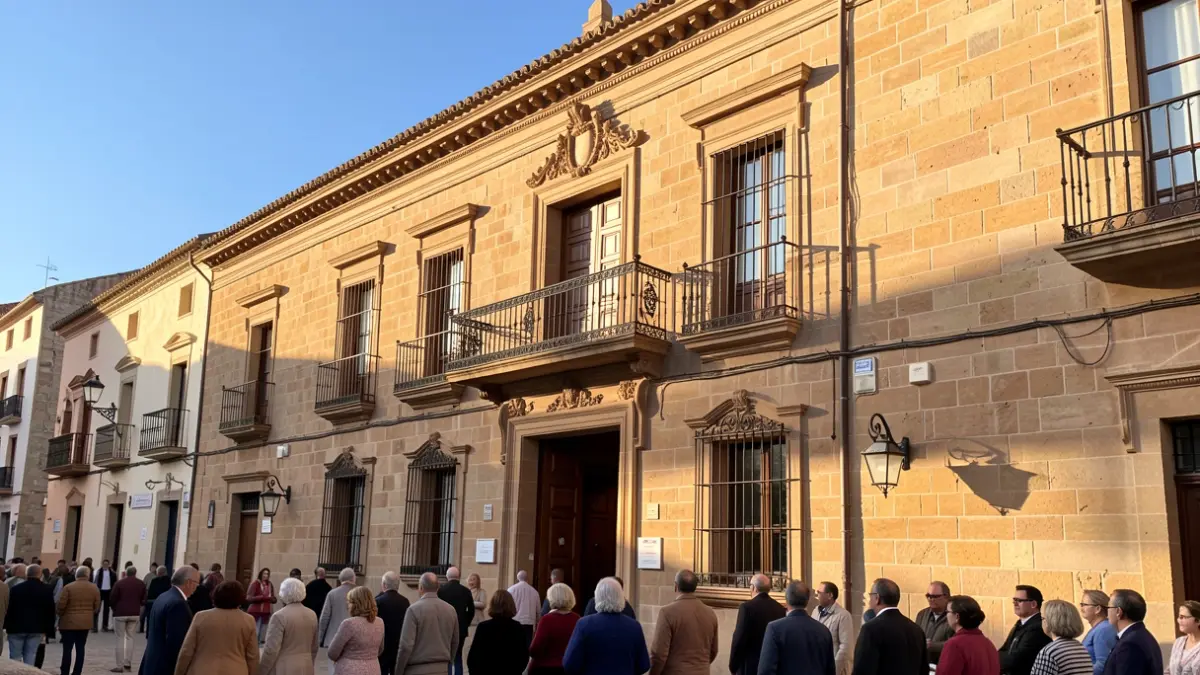
This initiative, driven by the artist's heirs, formalizes the transfer of a documentary collection of significant historical, artistic, and cultural interest. With this addition, the Council reinforces its commitment to preserving the documentary heritage linked to key figures of the city.
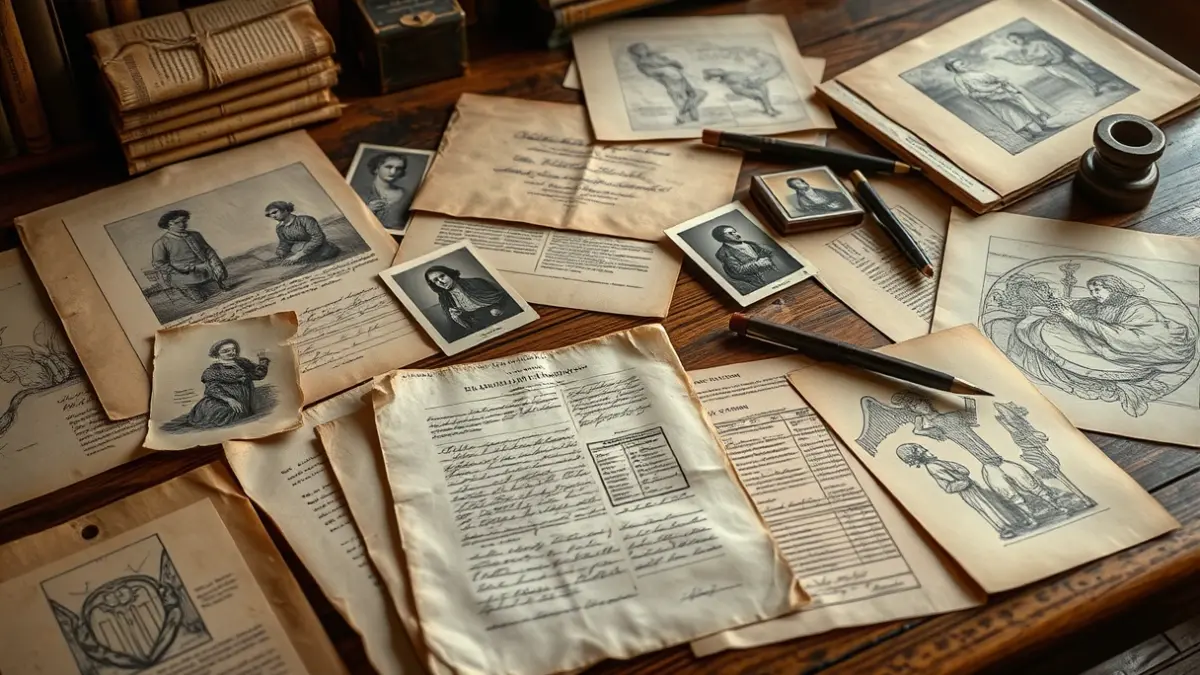
The collection includes a wide variety of materials that allow for the reconstruction of both the professional career and the personal dimension of the sculptor. Among the holdings are documents, interviews, correspondence, recognitions, catalogs, magazines, a press dossier, and a ledger compiled by Martínez Cerrillo himself about his life and work.
The archive also gathers an important set of photographs related to exhibitions and sculptural works, especially images of Christs and Dolorosas. Additionally, it includes snapshots of his family life, his studio, and his professional activity, along with slides, negatives, and digital media that enhance the documentary value of the collection.
The extensive imagery production of Juan Martínez Cerrillo left a deep mark on Córdoba capital, where he developed much of his career and created some of the most representative images of the local Holy Week. Among his most emblematic works is María Santísima de la Paz y Esperanza, from 1939, considered one of the city's great devotions.
The report from the Municipal Archive highlights the “very positive” assessment of this collection for its contribution to the history of Córdoba and Spain. Its content is particularly relevant for researchers of Contemporary History, sacred art, and the development of popular religiosity in Andalusia.
This donation not only guarantees the preservation of a first-rate artistic and documentary legacy but also facilitates public access to it, consolidating the Municipal Archive as a fundamental space for the historical and cultural memory of Córdoba.