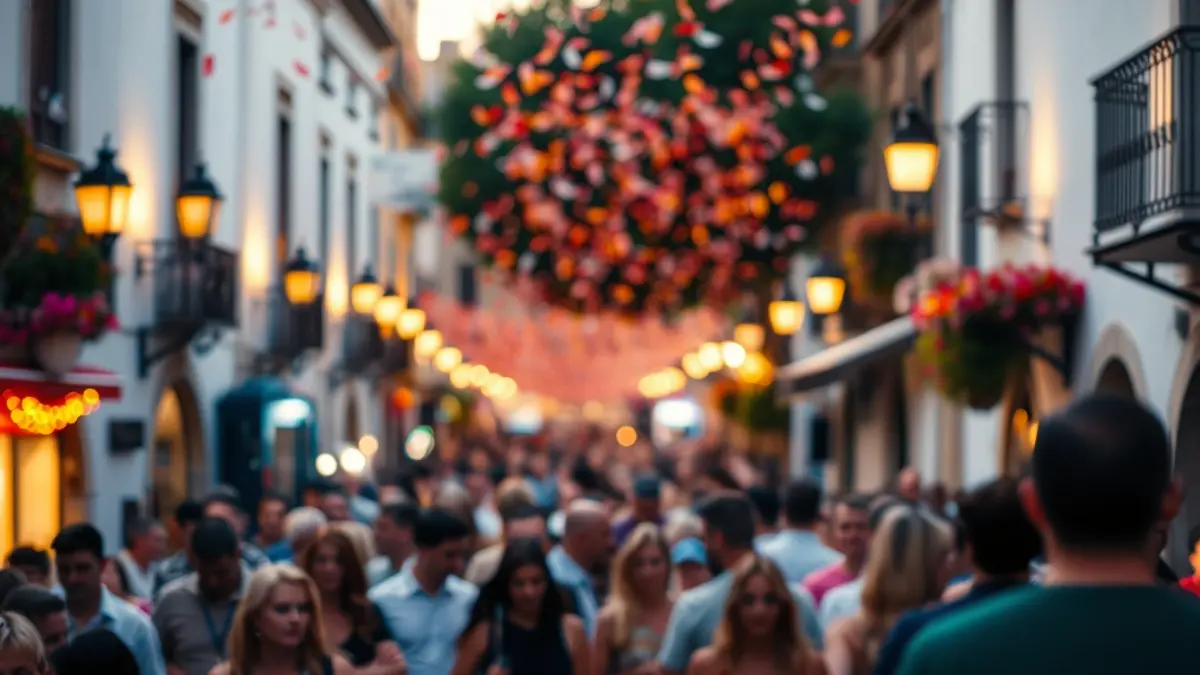
The May celebrations in Córdoba, characterized by constant music and the occupation of public spaces, elicit mixed reactions. While some immerse themselves in the joy and revelry, others express their discontent over the noise and disruption of tranquility, though these complaints often do not manifest with enough force to bring about immediate change.
“"Every spring, we complain to the heavens and to the studied competent authorities, for dignity, above all for dignity. And also because there are rights: to quality of life, to mobility, to rest, to see heritage protected and cared for, which have their correlative obligations for administrations and public powers."
The persistence of these festivities, considered an essential sector for the local economy, raises questions about the sustainability of the current model. Citizens, especially those in the historic center and around the Fairgrounds, endure weeks of disturbances, extending to months if Holy Week is included, with no short-term relief in sight.
The management of this intense festive month largely falls on municipal resources, which are stretched to their limit. The need to rethink and redefine the current model emerges as a priority, seeking a balance that allows for the preservation of tradition and tourist appeal without undermining the quality of life for residents.
The current reality, with the decrease in booths at the fairgrounds and the lack of generational replacement in patio care, warns of the need for deep reflection. It is crucial for Cordoban society, through participatory means, to define which Festive May model is most appropriate for the future, ensuring its sustainability and the well-being of all.