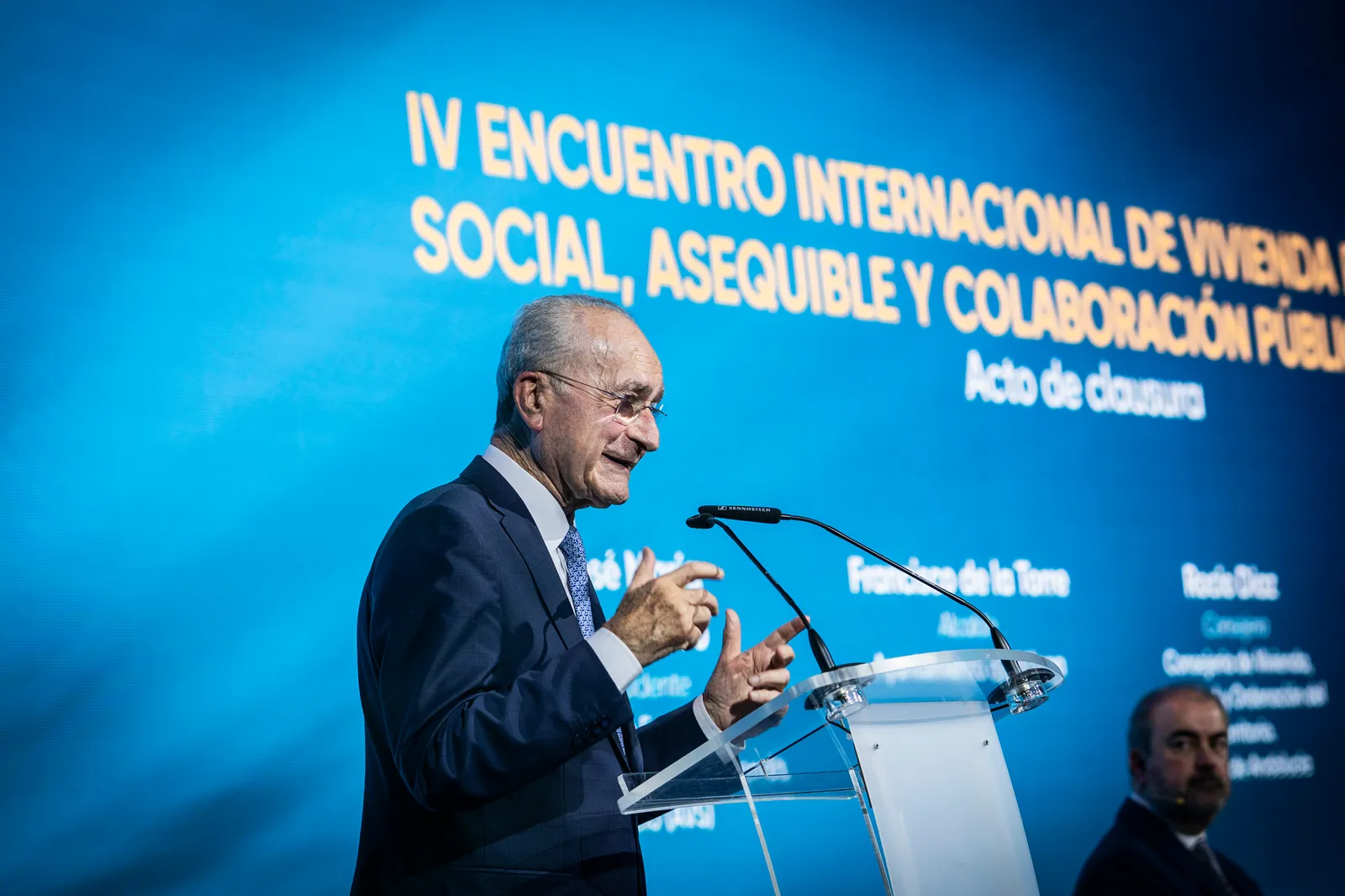
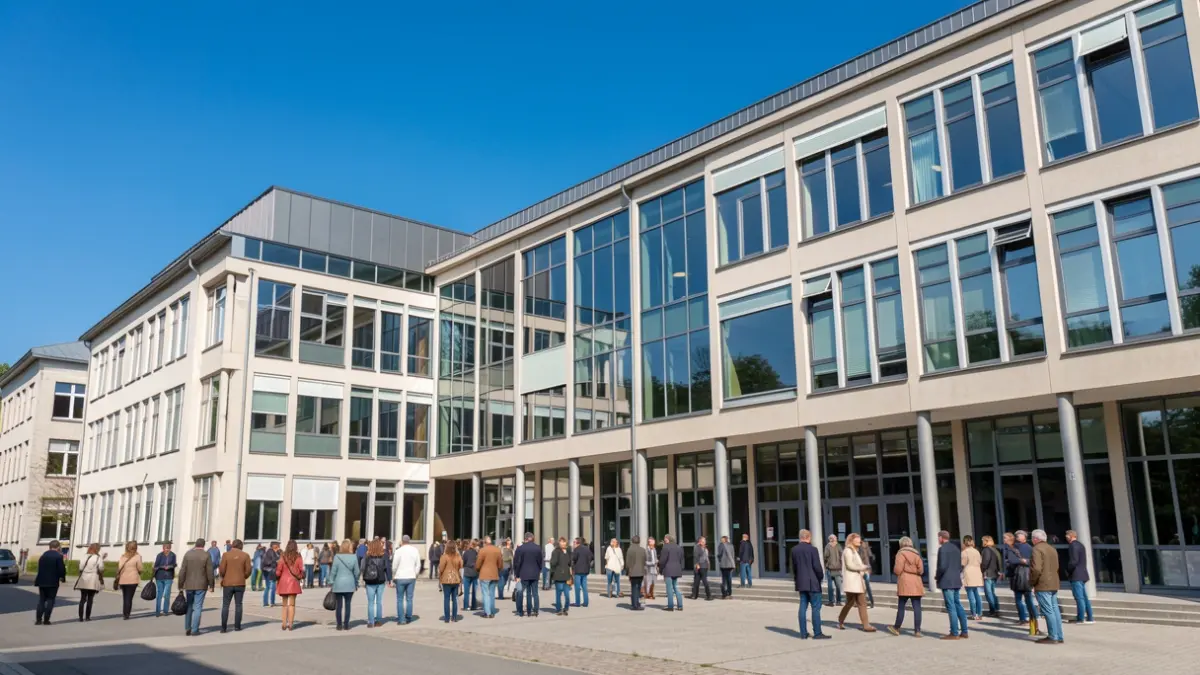
The symposium, coinciding with the feast of San Alberto, has brought together numerous researchers, experts, and students. The opening ceremony included a welcome reception and a plenary lecture by Antonio Salmerón on the analysis and selection of scientific journals.
The Dean of Experimental Sciences, Juan José Moreno, emphasized the importance of distinguishing between quality scientific journals and 'predatory' ones, which publish without rigorous review for a fee. He also addressed the ethical use of artificial intelligence, noting that most journals require a declaration of its use.
“"Nowadays there are many predatory journals and the goal is for researchers and doctors, and also their supervisors, to know how to choose journals that are not predatory, but important scientific quality journals. Predatory ones are journals you pay to publish in and they barely have a review process. In 15 days they publish you for paying, without rigorous review and publishing almost anything."
“"Most journals nowadays ask for a declaration of the use of artificial intelligence in articles. So artificial intelligence can be used, but maintaining ethics."
Ignacio Fernández de las Nieves, a member of the organizing committee, highlighted that this edition is the most significant for the University of Almería in terms of scientific contributions, with a record 186 registered participants and 140 posters. He attributed this success to word-of-mouth, calling it a key forum for young researchers to collaborate and discuss their work.
As a new feature, the fifteenth edition has included three-minute flash presentations to energize the research work exhibition. The symposium, supported by various entities, will continue with more lectures and poster sessions, including one on the application of artificial intelligence in research by Lorena Ávila García.