The Black Flags 2026 report by Ecologistas en Acción has singled out the Campo de Gibraltar with two negative distinctions awarded in the province of Cádiz. One is for discharges and pollution in the Bay of Algeciras, and the other for urban development pressure affecting the coastline of Tarifa, Barbate, and El Palmar (Vejer).
The report, which identifies key cases of environmental degradation on the Spanish coast, focuses this year on ecological restoration as a tool to curb coastal deterioration and urbanization. A total of 48 black flags have been awarded across Spain.
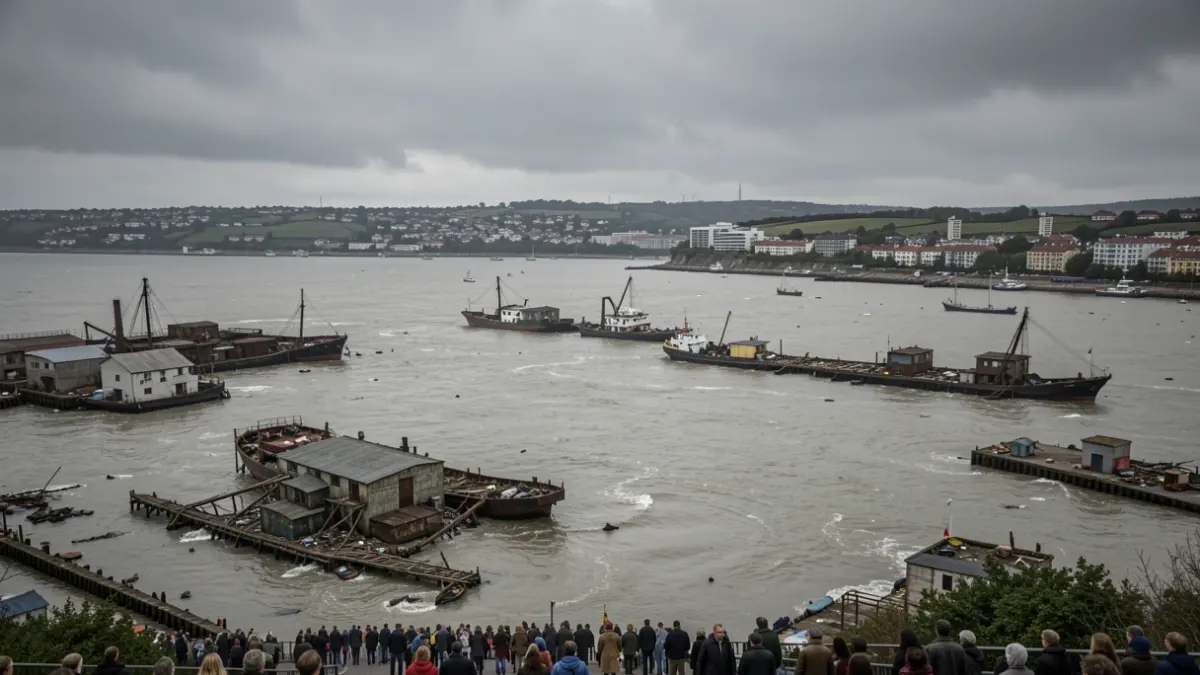
The main criticism in the Campo de Gibraltar targets the pollution caused by constant sewage discharges into the Bay of Algeciras. These originate from municipalities such as Algeciras, Los Barrios, San Roque, La Línea de la Concepción, and the British territory of Gibraltar. The document also mentions discharges from heavy industry and the impacts of actions by the Port Authority, including land reclamation, breakwaters, jetties, bunkering between ships, and the inaction of the Coastal Demarcation.
The environmental organization denounces that these discharges degrade the coast, particularly due to the large volume from the regional heavy industry, which contains hazardous products for the water. The expansion of the Port of Algeciras has also contributed to changes in coastal dynamics.
Ecologistas en Acción calls for a zero discharge plan for all municipalities and correction plans for industry. They also urge the Port Authority to abandon the expansion of the Port of Algeciras and limit itself to existing infrastructure.
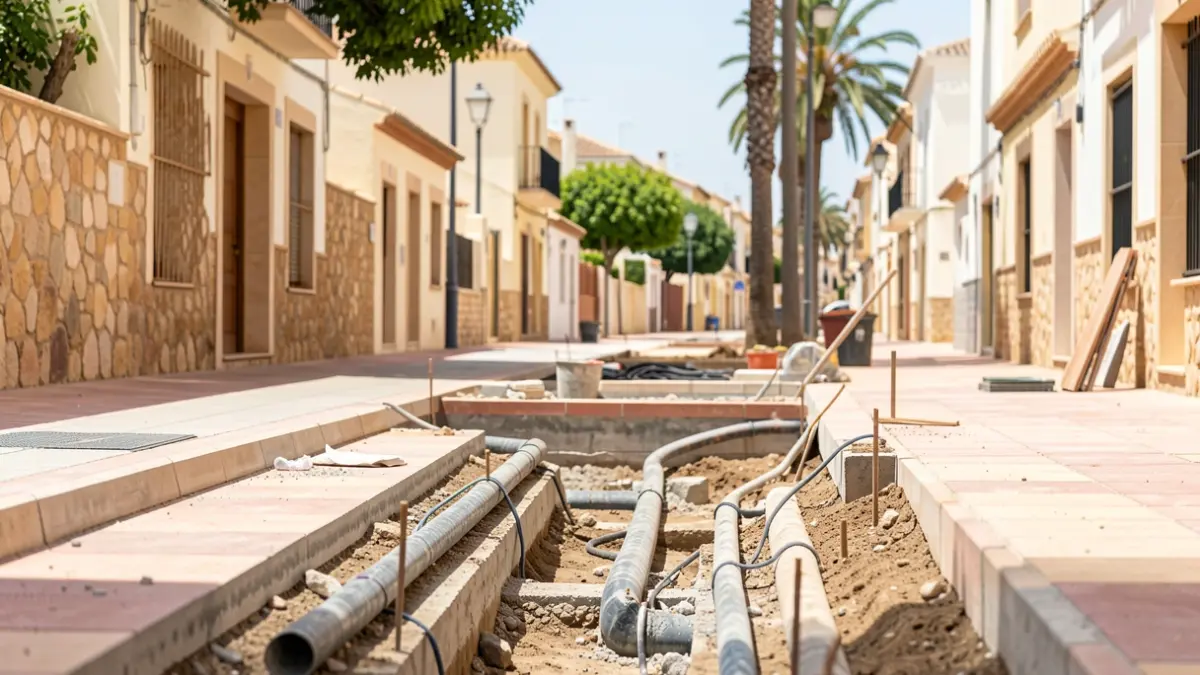
The second black flag partially affects the Campo de Gibraltar, specifically Tarifa. Despite the existence of the Strait Natural Park and the Los Lances Natural Site, environmentalists believe that the protection measures are insufficient to halt speculative urban development projects.
The organization maintains the black flag in Tarifa due to persistent speculation and serious environmental degradation, with the urban bubble unchecked. They report that wastewater discharges from beach bars and urbanizations, along with the large-scale Plan Parcial Cabo de Plata project (including two golf courses), have and will have a very negative impact on the local coastline.
This distinction also extends to Vejer (specifically El Palmar) and Barbate, municipalities suffering from worrying urban development mismanagement and untreated sewage discharge.
To address these issues, Ecologistas en Acción proposes halting the wave of urbanizations along the coast, respecting protected natural areas, ending illegal developments in El Palmar, Zahora, and Los Caños with sustainable management, declassifying developable land in Tarifa designated in a 1990 General Urban Planning Plan, and declaring the Trafalgar Lighthouse a Site of Cultural Interest.
The report highlights that many coastlines are undergoing continuous degradation, with beach erosion, destruction of wetlands and dune systems, marine pollution, biodiversity loss, and increased vulnerability to storms and floods – consequences of a model that prioritizes economic interests. Therefore, the organization focuses on ecological restoration as a solution.
Ecological restoration aims to help recover degraded ecosystems through active interventions or by allowing natural recovery once pressures are removed. The Regulation on Nature Restoration, in force since August 2024, sets binding objectives for restoring coastal, terrestrial, and marine habitats and species.
Spain must submit its National Restoration Plan to the European Commission by September 1, 2026. Ecologistas en Acción views this as a historic opportunity to correct past mistakes and begin returning space to nature along the coast.