The Maritime-Marine Cluster of Andalusia has published a comprehensive analysis of the blue economy in the region, identifying both established sectors and new areas of innovation linked to the sea. This report highlights Andalusia's potential to capitalize on emerging opportunities in marine renewable energy, port digitalization, sustainable coastal tourism, biotechnology, and the circular economy, positioning itself as a key destination for pilot projects and an innovation hub.
The document, titled '5H. Blue Economy Dossier in Andalusia', offers a detailed overview of sea-related economic activities, encompassing over 35,000 companies. These range from port logistics, fishing, and food processing to shipbuilding, biotechnology, offshore wind, technology development for inspections, logistics optimization, environmental monitoring, and nautical tourism. The business fabric is diverse, including large corporations, SMEs, businesses with long-standing histories, and recent startups.
The blue economy accounts for over 10% of Andalusia's Gross Domestic Product (GDP) and generates more than 300,000 direct and indirect jobs. The cluster's president, Javier Noriega, estimates a potential to create up to 200,000 additional jobs in the next decade. These figures position Andalusia as a significant player in the national and European context, where the Spanish blue economy leads in employment within the European Union.
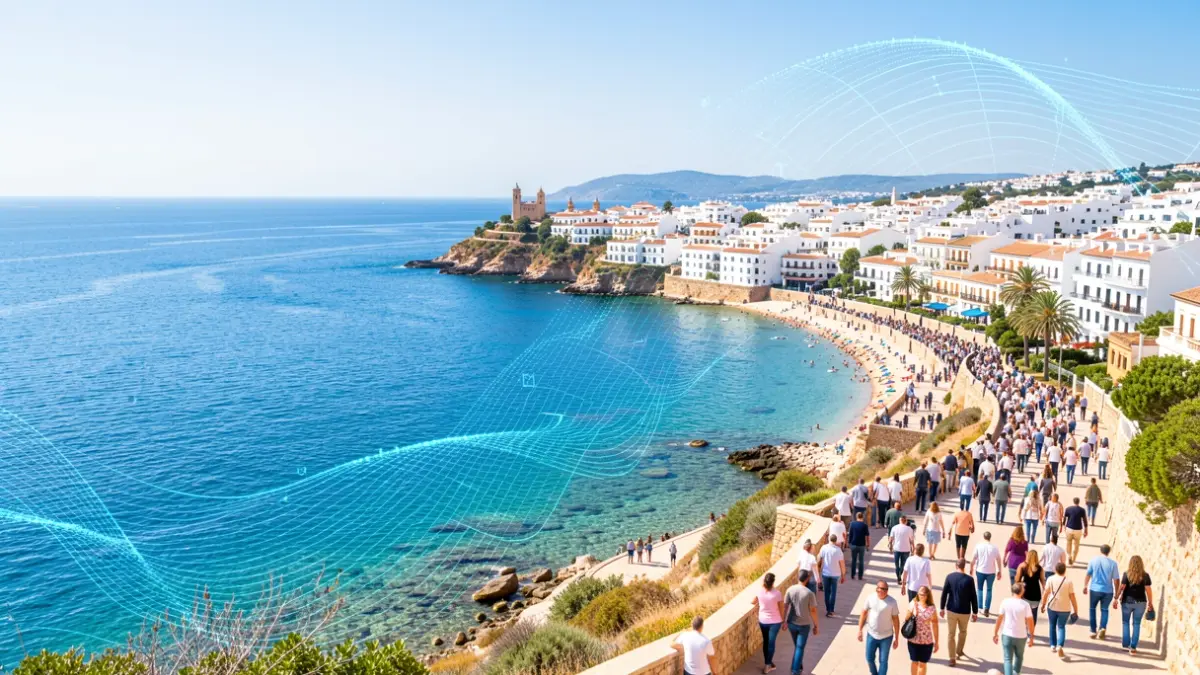
With a growth rate of 2.5%, exceeding the Eurozone average, the sea-related economy in Andalusia benefits from its 1,000 kilometers of coastline and significant diversification. The region combines tradition with innovation, leveraging market niches and specializing in specific areas.
Shipbuilding, centered in the Bay of Cadiz with companies like Navantia, is a fundamental pillar. The Andalusian auxiliary industry, comprising hundreds of SMEs, plays a crucial role in the value chain, offering specialized services. The naval industry is evolving towards decarbonization and digital revolution, incorporating new energy sources and technologies such as the Internet of Things (IoT).
Andalusian ports, including the national leader Algeciras, along with Málaga, Huelva, Seville, Cádiz, Motril, and Almería, are globally significant logistics hubs. They generate over 50,000 jobs and act as an internationalization lever for the region's companies, while also supporting strategic sectors.
Sustainability is a cross-cutting theme in the Andalusian blue economy, aligned with the Andalusian Blue Economy Strategy (EA2). This involves port electrification, renewable energy use, emission reduction, and waste valorization. In fisheries and aquaculture, adherence to fishing seasons, stock regeneration, and non-polluting techniques are promoted.
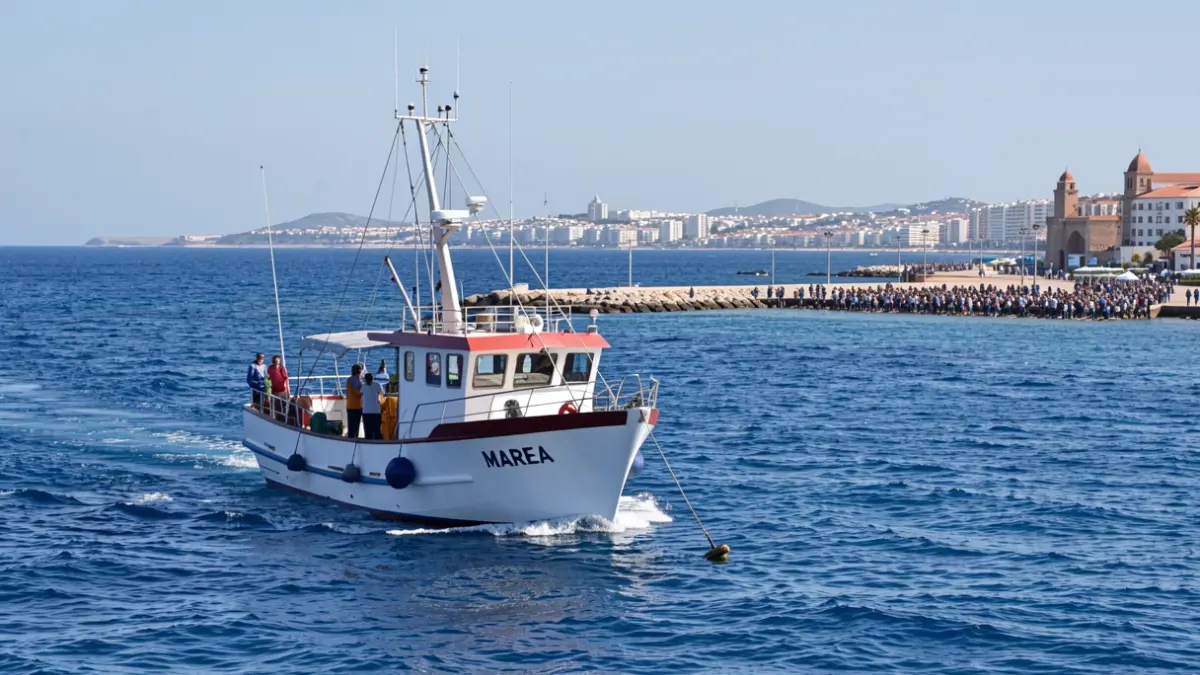
Andalusia is Spain's second-largest fishing power, with a fleet of 1,413 vessels. Fish sales at markets have grown, although tonnage has decreased, reflecting an increase in average prices. Aquaculture is emerging as the future, with significant production in fattening and breeding stages.
The food processing industry and blue biotechnology, focusing on algae and microorganisms for applications in food, health, energy, and cosmetics, are other booming sectors. Companies like Grupo Ubago and Biorizon Biotech stand out in these areas.
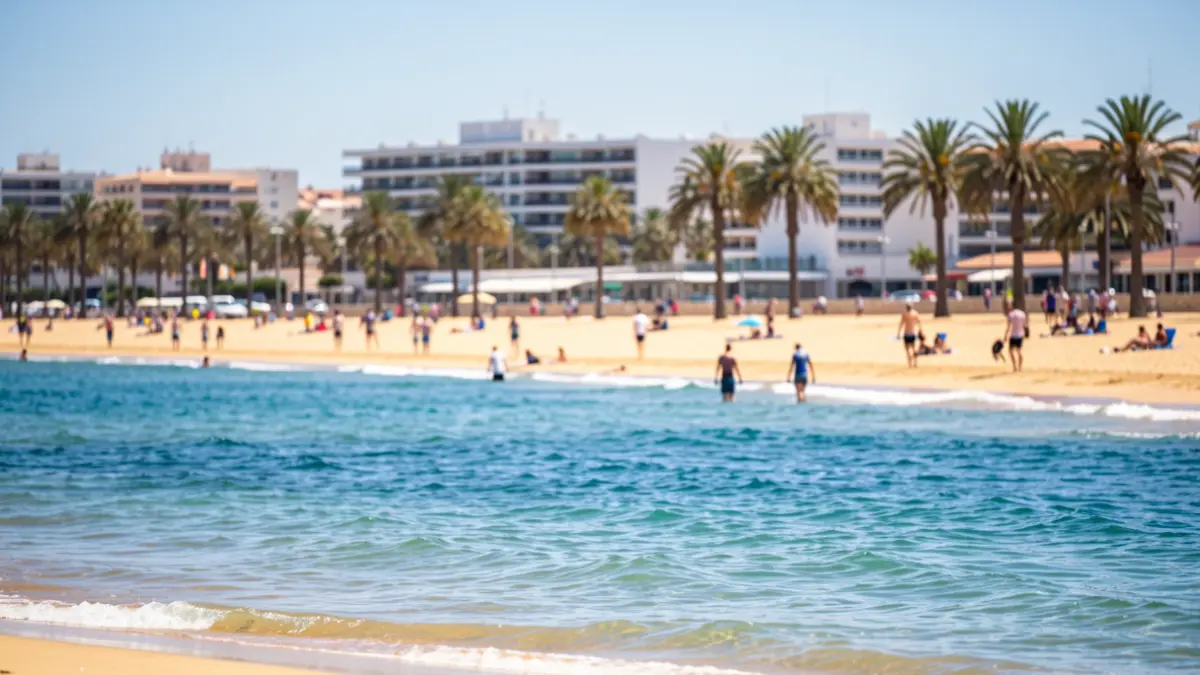
Blue tourism, accounting for over half of total tourism in Andalusia, focuses on immersive and sustainable experiences beyond sun and beach. Activities such as diving, sailing, maritime excursions, and whale watching diversify the tourism offerings.
Marine renewable energies, particularly floating offshore wind, are key to the energy transition. The Andalusian coast presents significant strategic potential, with innovative solutions like EnerOcean's W2Tower. Water treatment, including desalination, is also a growing sector to ensure water security.
The report concludes that Andalusia's maritime tradition, combined with science, innovation, and environmental responsibility, offers a sea of opportunities to address the challenges set by the European Union, strengthening the link between land and sea.