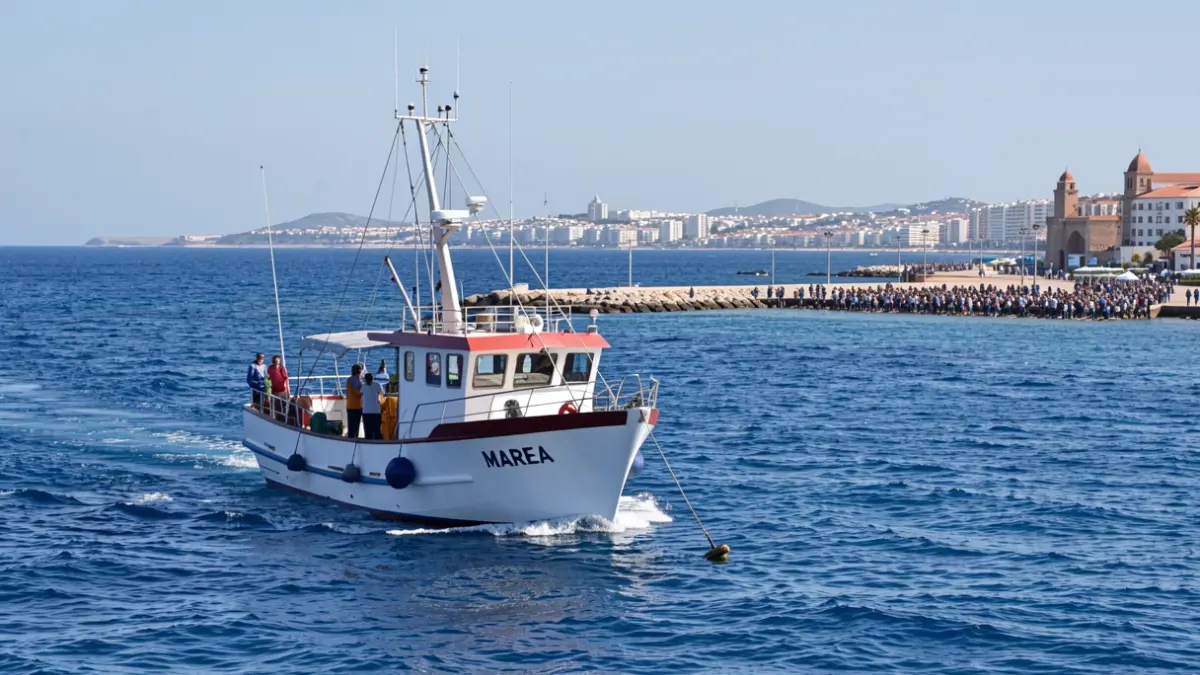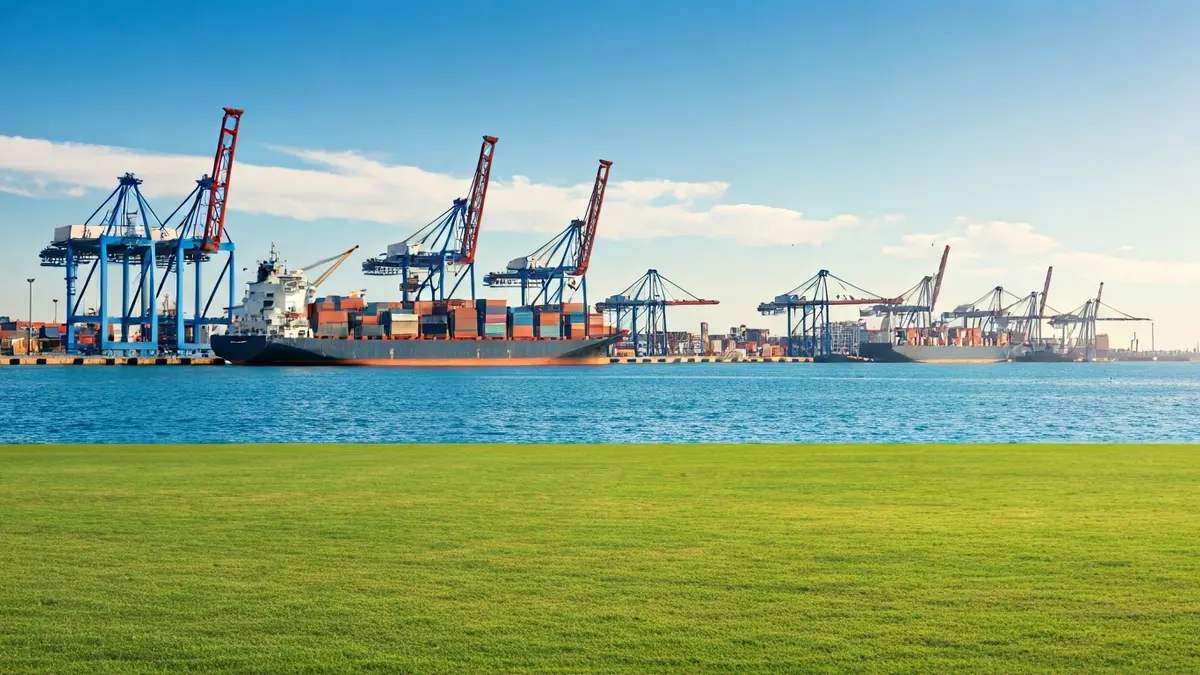
The Federation of Neighborhood and Citizen Associations of Algeciras (Fapacsa) has positively received the shift in the Port of Algeciras's planning, which now considers expanding its activities beyond current maritime limits. This change, projected until 2030, is seen as a crucial step for the city's future, particularly due to the abandonment of planned landfills off Punta de San García.
“"It was not sustainable to continue collapsing the perpetually mortgaged citizen coastline of Algeciras, when port logistics could also be oriented towards the interior of the Bay of Algeciras."
Just six months ago, the Port Authority of the Bay of Algeciras was still advocating for expansions through landfills. However, opposition from various associations and the intervention of the Ministry of Environment ultimately halted the project. Fapacsa interprets this reorientation as a "awakening towards a new horizon" in port management, aiming to reconcile economic development with citizens' quality of life and biodiversity protection.
In this context, the federation will organize a citizen congress on April 16 at the University of Cádiz, focusing on the Port-City relationship. The event will feature experts such as Juan Ureta, Manuel Gutiérrez Luna, María José Segovia, Manuel Garnica, José Méndez, Gaspar Perea, Abel Fernández, and Rafael Fenoy, who will present analyses and proposals on the new logistical approach.
Furthermore, Fapacsa has noted the 40th anniversary of the Port-City agreement signed in 1985, a period they describe as one of "disagreements" that has, they assert, left the city "trapped by its port".
Among the federation's proposals are the undergrounding of the railway line to eliminate the barrier dividing the city and the creation of a green corridor. They also suggest that the State should cover the costs of the new logistical model and compensate for accumulated damage to the coastline, proposing the cancellation of municipal debt with the Official Credit Institute and an annual fee to compensate for the permanent loss of urban beaches and unique environmental areas.