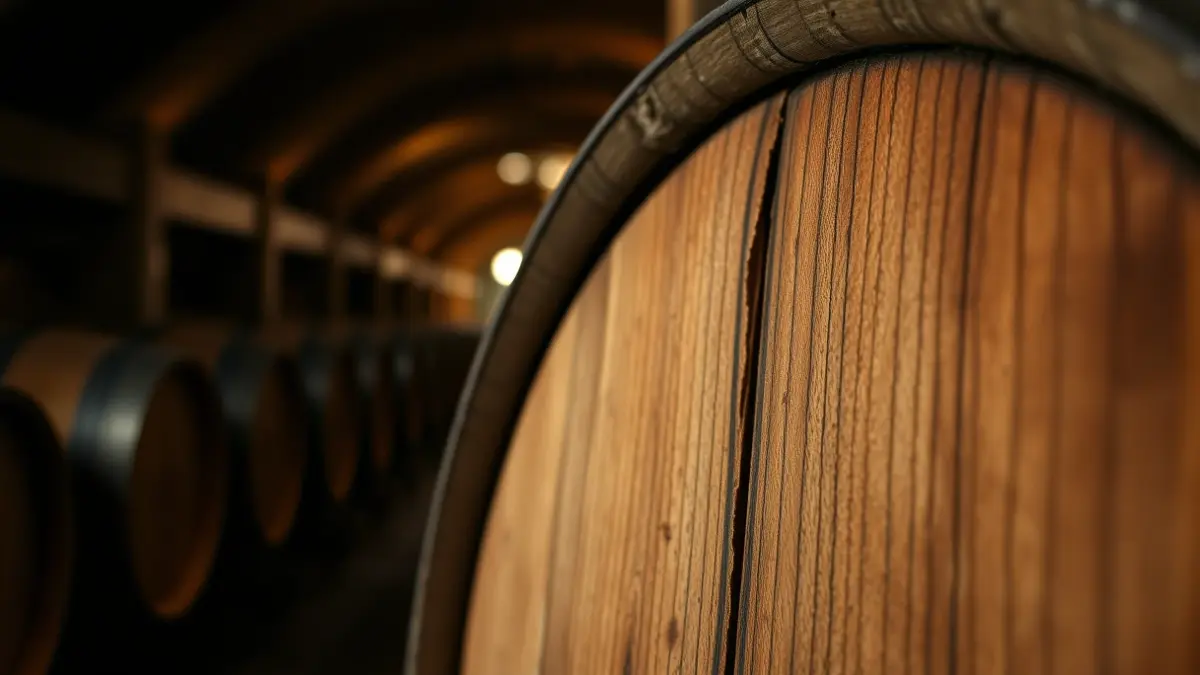
The Minister of Agriculture, Fisheries, and Food, Luis Planas, visited one of the artisanal companies in Montilla promoting this distinction. Cooperage is a craft activity deeply linked to wine production in the Montilla-Moriles Designation of Origin, one of Spain's oldest, blending tradition with modern techniques.
Currently, the area boasts eight cooperages directly employing 200 people and generating an annual production of approximately 40 million euros. The company visited by the minister, Tonelerías José Luis Rodríguez, can produce 5,000 barrels annually, ranging from one to 500 liters. In addition to manufacturing new and seasoned barrels, they treat and reconstruct used barrels that have aged wines such as oloroso, pedro ximénez, or brandy.
“"I will closely and with great interest follow the evolution of this file, because I believe that the future PGI will contribute not only to the industrial and wine-growing impulse of the region, but also to wine tourism and the knowledge of a traditional craft closely linked to wine culture."
This sector is booming and has significant international projection. In addition to local production demand, there is a growing trend among distilleries to age premium whiskies and other spirits in barrels previously seasoned with Montilla-Moriles wines.
The reform of the European Union regulation on Geographical Indications, which came into force last December, allows extending PGI recognition to artisanal and industrial products, not just food. The cooperage companies of Montilla, along with the Association of Wood and Furniture Entrepreneurs of Córdoba and the support of the Montilla City Council, are promoting this recognition, whose regional processing falls under the Junta de Andalucía before its submission to the European Union.
Following the cooperage visit, Minister Planas held a meeting with the mayor of Montilla and president of the Spanish Rural Development Network (REDR), where they discussed the future of rural development funds within the upcoming post-2027 Common Agricultural Policy (CAP). The minister emphasized the need to maintain the allocation from the current 2023-2027 period and for rural development programs to receive specific consideration in the regulations.
The REDR, which comprises some 200 local associations, manages the Leader program. The CAP allocates a mandatory minimum of 5% of rural development funds to this program, a figure that rises to 10% in Spain. Between 2014 and 2025, this program received 1.2 billion euros in public funds, mobilizing a total investment of 3 billion euros and generating over 35,000 projects that created approximately 72,000 jobs.