AlmeríaCádizCórdobaGranadaHuelvaJaénMálagaSevillaAlpujarra AlmerienseLos VélezComarca Metropolitana de AlmeríaFilabres-TabernasLevante AlmeriensePoniente AlmerienseValle del AlmanzoraBahía de CádizCampiña de JerezCampo de GibraltarCosta NoroesteLa JandaSierra de CádizAlto GuadalquivirCampiña de BaenaCampiña Sur CordobesaLos PedrochesCórdoba (comarca)SubbéticaValle del GuadiatoValle Medio del GuadalquivirAlpujarra GranadinaComarca de AlhamaComarca de BazaComarca de GuadixComarca de HuéscarComarca de LojaCosta GranadinaLos MontesValle de LecrínVega de GranadaEl AndévaloEl Condado de HuelvaCosta OccidentalCuenca MineraComarca Metropolitana de HuelvaSierra de HuelvaÁrea Metropolitana de JaénCampiña de JaénEl Condado (Jaén)La LomaSierra de CazorlaSierra MáginaSierra MorenaSierra de SeguraSierra Sur de JaénLas VillasComarca de AntequeraLa AxarquíaGuadaltebaCosta del Sol OccidentalMálaga Costa del SolNorormaValle del GuadalhorceSerranía de RondaSierra de las NievesAljarafeBajo GuadalquivirCampiña de CarmonaCampiña de Morón y MarchenaComarca de ÉcijaComarca Metropolitana de SevillaSierra Norte de SevillaSierra Sur de SevillaVega del GuadalquivirAlmeríaCádizCórdobaGranadaHuelvaJaénMálagaSevillaAlpujarra AlmerienseLos VélezComarca Metropolitana de AlmeríaFilabres-TabernasLevante AlmeriensePoniente AlmerienseValle del AlmanzoraBahía de CádizCampiña de JerezCampo de GibraltarCosta NoroesteLa JandaSierra de CádizAlto GuadalquivirCampiña de BaenaCampiña Sur CordobesaLos PedrochesCórdoba (comarca)SubbéticaValle del GuadiatoValle Medio del GuadalquivirAlpujarra GranadinaComarca de AlhamaComarca de BazaComarca de GuadixComarca de HuéscarComarca de LojaCosta GranadinaLos MontesValle de LecrínVega de GranadaEl AndévaloEl Condado de HuelvaCosta OccidentalCuenca MineraComarca Metropolitana de HuelvaSierra de HuelvaÁrea Metropolitana de JaénCampiña de JaénEl Condado (Jaén)La LomaSierra de CazorlaSierra MáginaSierra MorenaSierra de SeguraSierra Sur de JaénLas VillasComarca de AntequeraLa AxarquíaGuadaltebaCosta del Sol OccidentalMálaga Costa del SolNorormaValle del GuadalhorceSerranía de RondaSierra de las NievesAljarafeBajo GuadalquivirCampiña de CarmonaCampiña de Morón y MarchenaComarca de ÉcijaComarca Metropolitana de SevillaSierra Norte de SevillaSierra Sur de SevillaVega del Guadalquivir

The Enigma of Baena's Iberian Lionesses: An Ancient Symbol That Endures

The enigmatic zoomorphic sculptures from the ancient Iberian civilization continue to fascinate experts and visitors in the Cordoban Countryside.

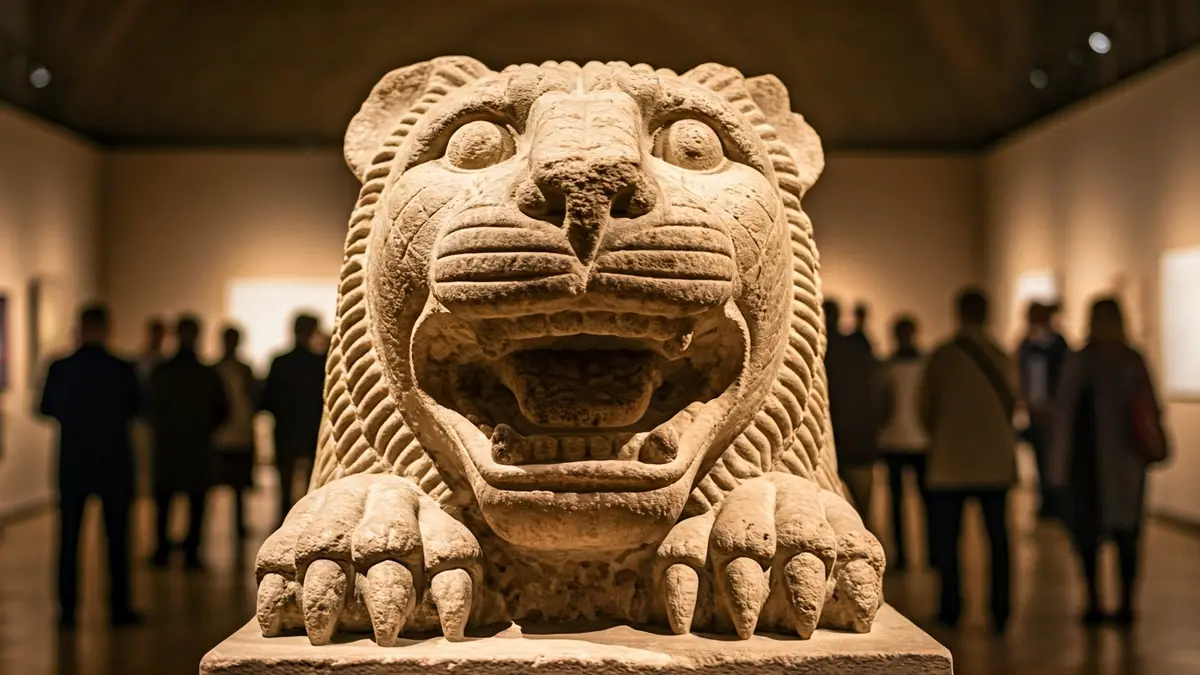
Iberian sculpture of a lioness with open jaws, in a museum.
IA

Iberian sculpture of a lioness with open jaws, in a museum.

The Iberian lioness sculptures of Baena, in the Cordoban Countryside, represent a historical legacy that continues to raise questions about their function and meaning in ancient civilization.

The rich historical heritage of Baena, especially from the Iberian period, continues to spark great interest. This town, part of the Guadajoz and Campiña Este Commonwealth, was a strategic settlement for the Iberians, who left behind numerous vestiges.
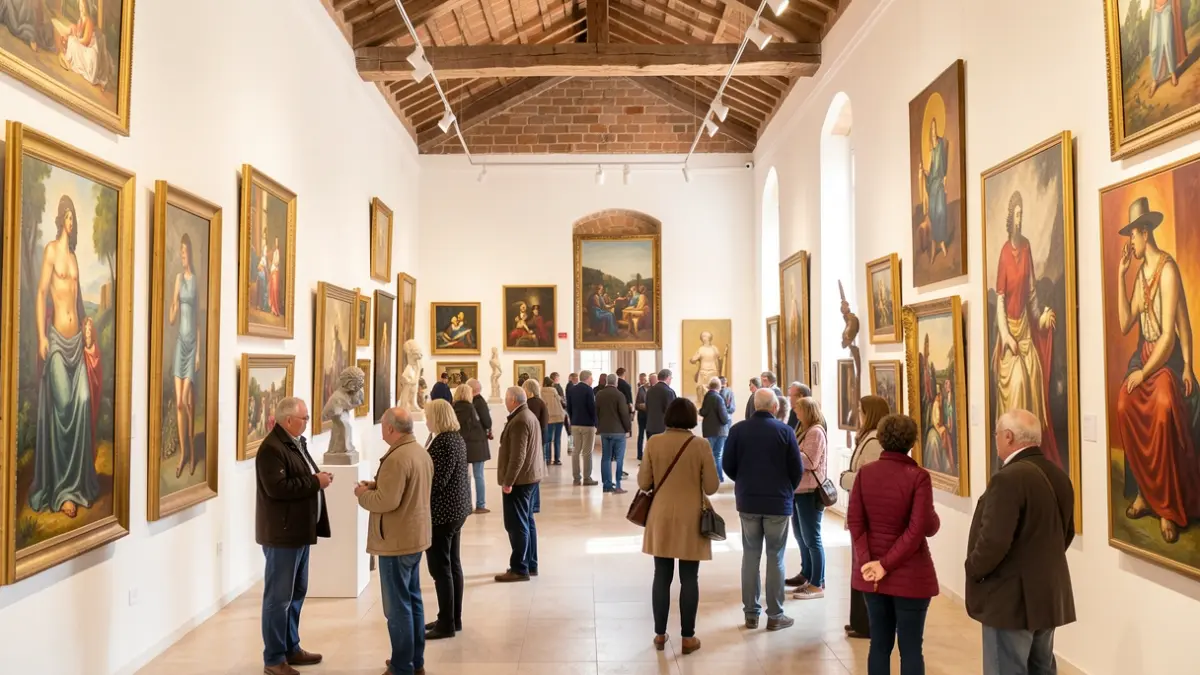
Among the most notable discoveries are a series of zoomorphic sculptures, popularly known as the lionesses of Baena. These pieces can be admired at the Baena Historical and Archaeological Museum, the National Archaeological Museum of Madrid, or even in Baena's Plaza Palacio, and are a source of pride for the local inhabitants.
The abundance of these sculptures in the Cordoban Countryside suggests to researchers that the lionesses may have been a symbol of territorial identity for the Iberians. José Antonio Morena, municipal archaeologist and director of the Baena Museum, supports this hypothesis, also considering that they could have served as boundary markers at crossroads or visible points to denote territorial dominance.
Baena's archaeological wealth is remarkable, with a total of 26 cataloged zoomorphic sculptures, 15 of which are lionesses. The main sites are Cerro del Minguillar, with six lionesses, and Cerro de Los Molinos, with three. In addition to complete sculptures, fragments such as claws and heads have also been found.
This valuable Iberian heritage is currently distributed in various locations. The Baena Municipal Historical Museum houses two complete pieces in excellent condition. In Jaén, the Iberian Museum also exhibits one of these statues. However, one of the most representative and best-preserved pieces from the entire province is located at the National Archaeological Museum in Madrid.
Experts attribute an apotropaic, or protective, function to these lionesses. Their open jaws and menacing claws were interpreted as a means to ward off evil spirits and safeguard the souls of the deceased. These sculptures typically crowned two-meter-high pillar-stelae above the tombs of the Iberian aristocracy, indicating high social status.
A fascinating detail is that the Iberians never saw live lions. The lionesses sculpted by local artisans were imitations of smaller figures, usually made of bronze or ivory, brought by Phoenicians and Greeks. This fact adds another layer of peculiarity and fuels interest in the Iberian past of this beautiful Cordoban town.