This amount places Cádiz as the second Andalusian province with the highest unexecuted public works budget, only surpassed by Málaga, which accumulates 168.3 million euros in paralyzed projects. Behind it is Seville, with 71.2 million. Compared to the rest of the community, the figures drop significantly, with Jaén registering 38.7 million, Córdoba 28.2 million, Almería 25.8 million, Granada 22.4 million, and Huelva 13.3 million.
At the regional level, data compiled by a specialized consultancy firm reveals that a total of 458.09 million euros remained unawarded in Andalusia, as no companies were willing to undertake the projects. This situation is particularly concerning, as many of these tenders are financed with European funds, which could imply the complete loss of these subsidies if deadlines are not met.
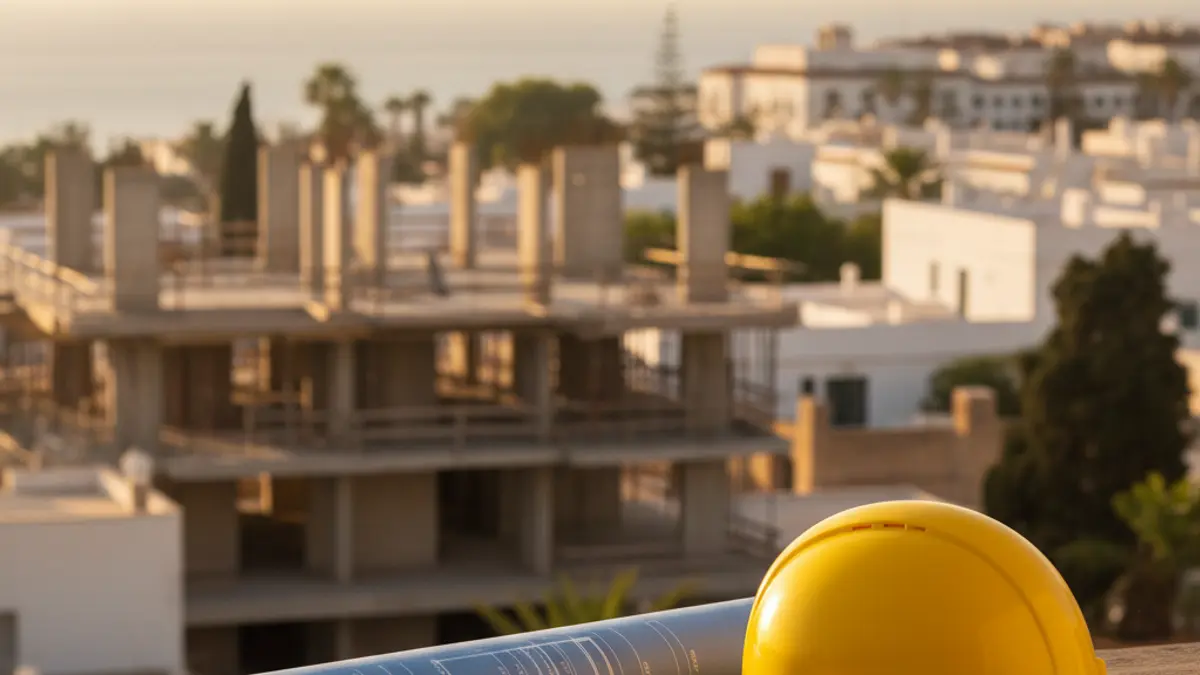
Among the most notable unexecuted works in Cádiz are the contract with suppliers for cargo handling services at Navantia Reparaciones Cádiz, valued at 24 million euros. After being deserted, the company reformulated the model and launched a more flexible procedure. Another significant project is the construction of the new administrative building for the General State Administration on Avenida de Andalucía, with a budget of 15.4 million euros, which also went deserted in its first tender despite receiving several offers.
“"A deserted tender is not just an administrative incident: it is an indicator of a mismatch between the file and the market."
The delays not only affect large infrastructures but also projects such as works on protected housing by a municipal company, as well as other initiatives in key areas of the city like the Teatro del Parque or the Pelíkano area, where awarded companies have withdrawn from contracts.
Nationally, 2025 has set a record for deserted tenders, with 9,819, representing an 86.1% increase compared to 2021, with an average amount of 408,000 euros per deserted tender. Although the current crisis in the energy and construction materials market exacerbates the situation, experts point out that this mismatch between proposals and execution already existed previously. An association of independent builders forecasts an increase of between 10% and 25% in the prices of basic materials, complicating the execution of public contracts and generating uncertainty about future projects.