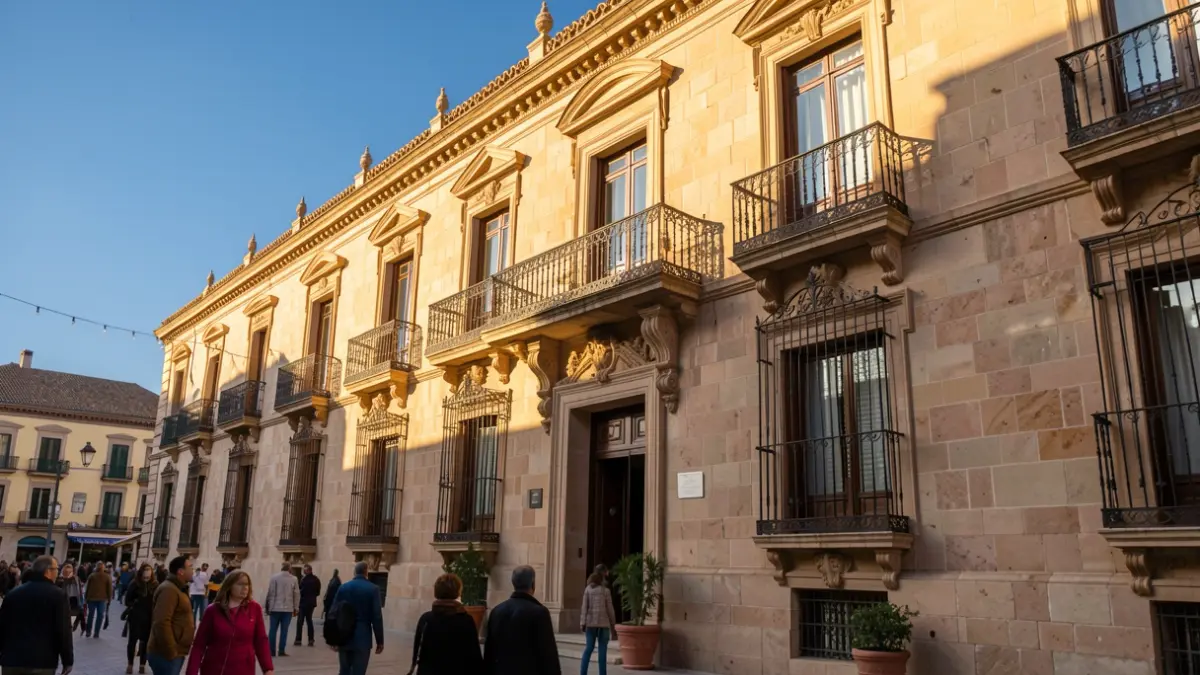
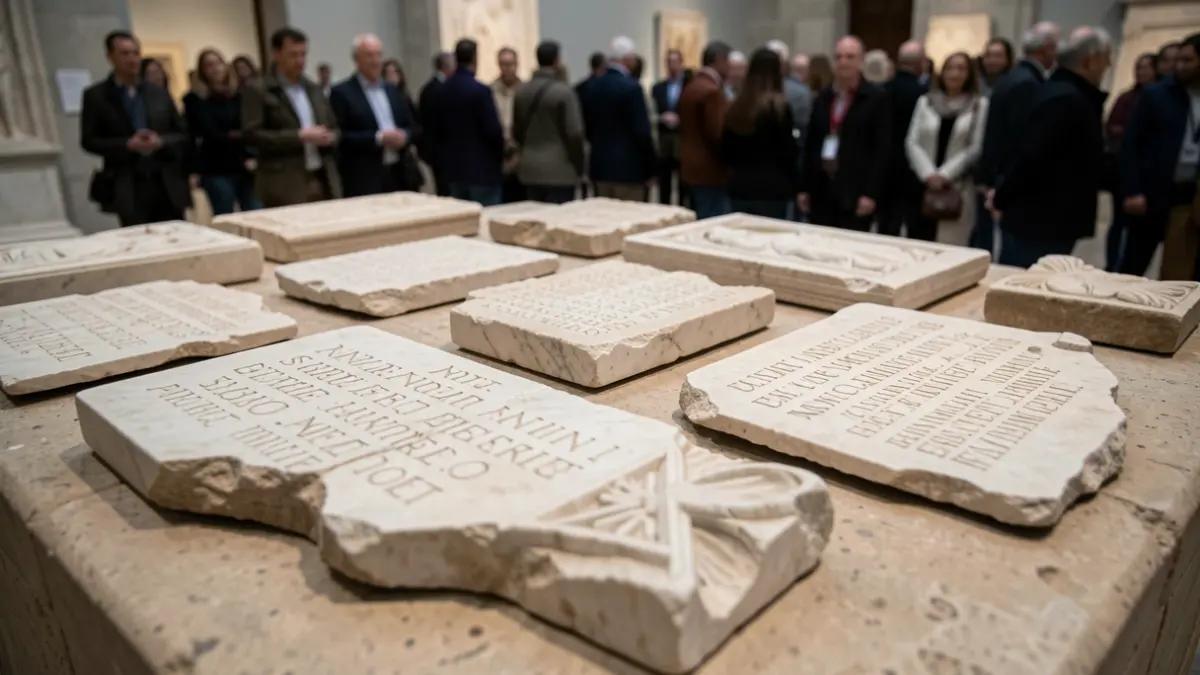
The surprising find, which includes fragments from approximately 268 marble plaques with around 95 identified names of buried individuals, stands out for its significance to the aristocratic society of Gades at the time. The collection was located next to the remains of a building believed to have functioned as a chapel for the worship of deities such as Isis or Venus, built over an earlier ritual site.
This funerary epigraphic collection, found on Juan Ramón Jiménez street in Cádiz, competes with other important national discoveries. These include a collection of beads from a prehistoric funerary complex in Seville, the Roman wreck of Ses Fontanelles in Mallorca (in which the UCA participates in research), the Roman sanctuary of Cova de les Dones in Valencia, and the funerary complex of the Alarcos Archaeological Park in Ciudad Real.
“"We feel immense pride to be part of this candidacy alongside all these discoveries and the colleagues who made it possible."
The +Historia Awards, organized by National Geographic Historia, recognize the most outstanding history and archaeology projects and discoveries of the year in Spain. The winner in each category will be determined by a public vote open through the outlet's website, which will remain active until October 12.
The research project for the Roman wreck of Ses Fontanelles in Mallorca, also a candidate, involves the University of Cádiz, along with the University of Barcelona, the University of the Balearic Islands, and the Consell de Mallorca. This 4th-century AD find is exceptional for its high degree of preservation and its cargo of over 320 amphorae containing products like oil, wine, and garum, originating from southeastern Hispania.