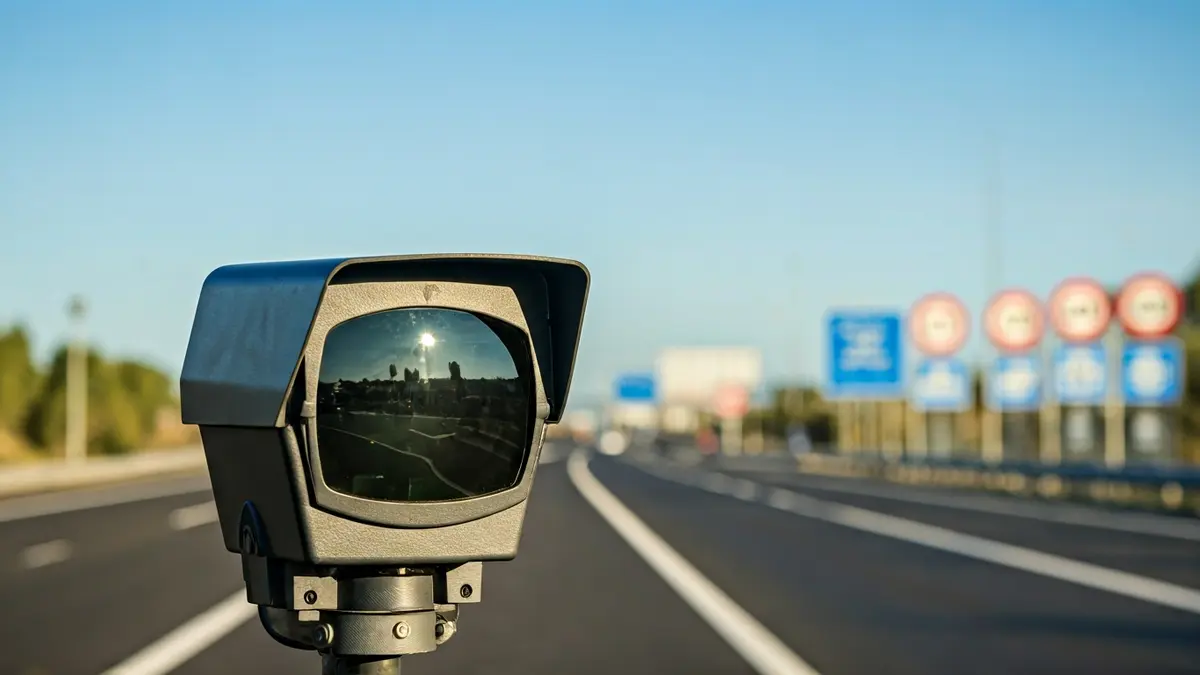
The DGT's decision comes after the affected individual filed a complaint, arguing that the traffic signs in the section indicated a speed limit of 100 km/h, while the section speed camera enforced a limit of 80 km/h. This discrepancy led to the imposition of penalties for exceeding the limit set by the device.
The resolutions, dated March 5, 2026, invalidate the fines, which amounted to 300 euros in one instance and 100 euros in the second, for the same driver. The DGT agreed to the ex officio revocation, based on article 109.1 of Law 39/2015, of October 2, on the Common Administrative Procedure of Public Administrations.
“"In view of the actions in the file, it is concluded that in the case under examination, the imposition of the sanction referred to therein is not appropriate, and therefore its ex officio revocation is agreed."
The incidents occurred when an employee of Arreza Seguros received the two fines after driving through the regulated section on September 22 and October 15 of the previous year. The company has warned that other individuals may have paid fines that could be considered “illegal” under similar circumstances.
In the province of Cádiz, the DGT has up to seven section speed cameras installed on various roads, including the A-7 itself, the N-340, the CA-35, the CA-33, the A-48, the A-384, and the A-2001. These systems calculate the average speed of vehicles between two points, issuing fines if the established limit is exceeded.