AlmeríaCádizCórdobaGranadaHuelvaJaénMálagaSevillaAlpujarra AlmerienseLos VélezComarca Metropolitana de AlmeríaFilabres-TabernasLevante AlmeriensePoniente AlmerienseValle del AlmanzoraBahía de CádizCampiña de JerezCampo de GibraltarCosta NoroesteLa JandaSierra de CádizAlto GuadalquivirCampiña de BaenaCampiña Sur CordobesaLos PedrochesCórdoba (comarca)SubbéticaValle del GuadiatoValle Medio del GuadalquivirAlpujarra GranadinaComarca de AlhamaComarca de BazaComarca de GuadixComarca de HuéscarComarca de LojaCosta GranadinaLos MontesValle de LecrínVega de GranadaEl AndévaloEl Condado de HuelvaCosta OccidentalCuenca MineraComarca Metropolitana de HuelvaSierra de HuelvaÁrea Metropolitana de JaénCampiña de JaénEl Condado (Jaén)La LomaSierra de CazorlaSierra MáginaSierra MorenaSierra de SeguraSierra Sur de JaénLas VillasComarca de AntequeraLa AxarquíaGuadaltebaCosta del Sol OccidentalMálaga Costa del SolNorormaValle del GuadalhorceSerranía de RondaSierra de las NievesAljarafeBajo GuadalquivirCampiña de CarmonaCampiña de Morón y MarchenaComarca de ÉcijaComarca Metropolitana de SevillaSierra Norte de SevillaSierra Sur de SevillaVega del GuadalquivirAlmeríaCádizCórdobaGranadaHuelvaJaénMálagaSevillaAlpujarra AlmerienseLos VélezComarca Metropolitana de AlmeríaFilabres-TabernasLevante AlmeriensePoniente AlmerienseValle del AlmanzoraBahía de CádizCampiña de JerezCampo de GibraltarCosta NoroesteLa JandaSierra de CádizAlto GuadalquivirCampiña de BaenaCampiña Sur CordobesaLos PedrochesCórdoba (comarca)SubbéticaValle del GuadiatoValle Medio del GuadalquivirAlpujarra GranadinaComarca de AlhamaComarca de BazaComarca de GuadixComarca de HuéscarComarca de LojaCosta GranadinaLos MontesValle de LecrínVega de GranadaEl AndévaloEl Condado de HuelvaCosta OccidentalCuenca MineraComarca Metropolitana de HuelvaSierra de HuelvaÁrea Metropolitana de JaénCampiña de JaénEl Condado (Jaén)La LomaSierra de CazorlaSierra MáginaSierra MorenaSierra de SeguraSierra Sur de JaénLas VillasComarca de AntequeraLa AxarquíaGuadaltebaCosta del Sol OccidentalMálaga Costa del SolNorormaValle del GuadalhorceSerranía de RondaSierra de las NievesAljarafeBajo GuadalquivirCampiña de CarmonaCampiña de Morón y MarchenaComarca de ÉcijaComarca Metropolitana de SevillaSierra Norte de SevillaSierra Sur de SevillaVega del Guadalquivir

Delta II shipwreck in Bay of Cádiz identified as Genoese ship San Giorgio e Sant'Elmo

A recent study has confirmed that the vessel sunk in 1587 by Francis Drake's fleet is the San Giorgio e Sant'Elmo Buonaventura.

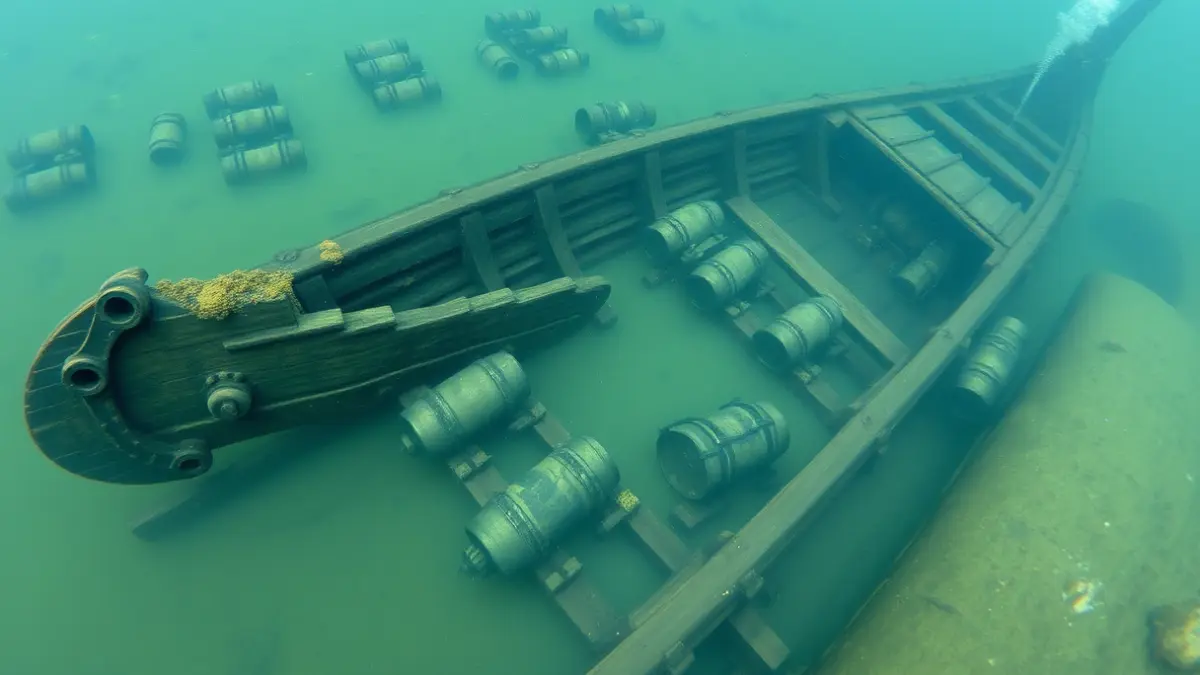
Remains of an ancient shipwreck on the seabed, with bronze cannons and barrels.
IA

Remains of an ancient shipwreck on the seabed, with bronze cannons and barrels.

A recent study has identified the Delta II shipwreck, discovered in 2012 in the Bay of Cádiz, as the Genoese vessel San Giorgio e Sant'Elmo Buonaventura, sunk in 1587 during Francis Drake's fleet attack.

The research, published in the proceedings of the Ibero-American Congress of Nautical and Underwater Archaeology (CIANYS) held in Cádiz in 2021, rewrites a crucial episode in the region's maritime history. The study, titled Experimental Sciences in Underwater Archaeology: Delta II Shipwreck, San Giorgio e Sant'Elmo Buonaventura, sheds light on the strategic role of the port of Cádiz in the 16th century.
The discovery of Delta II occurred during archaeological work linked to the construction of the new container terminal at the Port of Cádiz. The remains, found under a dense layer of mud, showed exceptional preservation of organic materials and fragile elements, allowing for a detailed reconstruction of the vessel.
Investigations have determined that the ship was owned by Pietro Paolo Vassallo and captained by Clemente Vassallo. It had arrived in Cádiz by order of Philip II to transport supplies and cannons for the Great Armada. It was sunk while anchored off the city by Drake's English fleet.
Among the most notable discoveries are bronze cannons and barrels containing organic products. Of particular note is the identification of cochineal dye, a valuable red pigment of American origin, preserved in cloth pouches within wooden barrels. This product, obtained from the insect Dactylopius coccus, was the third most expensive commodity from America, after gold and silver.
Dendrochronological studies of the barrels revealed that the wood was Baltic oak, consistent with the time of the sinking. Jars with brined olives, guaiacum wood remains, and boxes with ginger were also documented, offering insight into commercial activity and daily life in 16th-century Cádiz.
The shipwreck has also provided information about the people on board, including the skull of a young woman with a perimortem injury, direct evidence of the attack's violence. Additionally, animal bone remains were identified, allowing for an understanding of the crew's diet and provisions on a 16th-century ship.
The work, signed by eleven researchers from the Andalusian Institute of Historical Heritage (IAPH), highlights the importance of interdisciplinary research in transforming these findings into knowledge about navigation, trade, warfare, and the interaction between America and Europe.