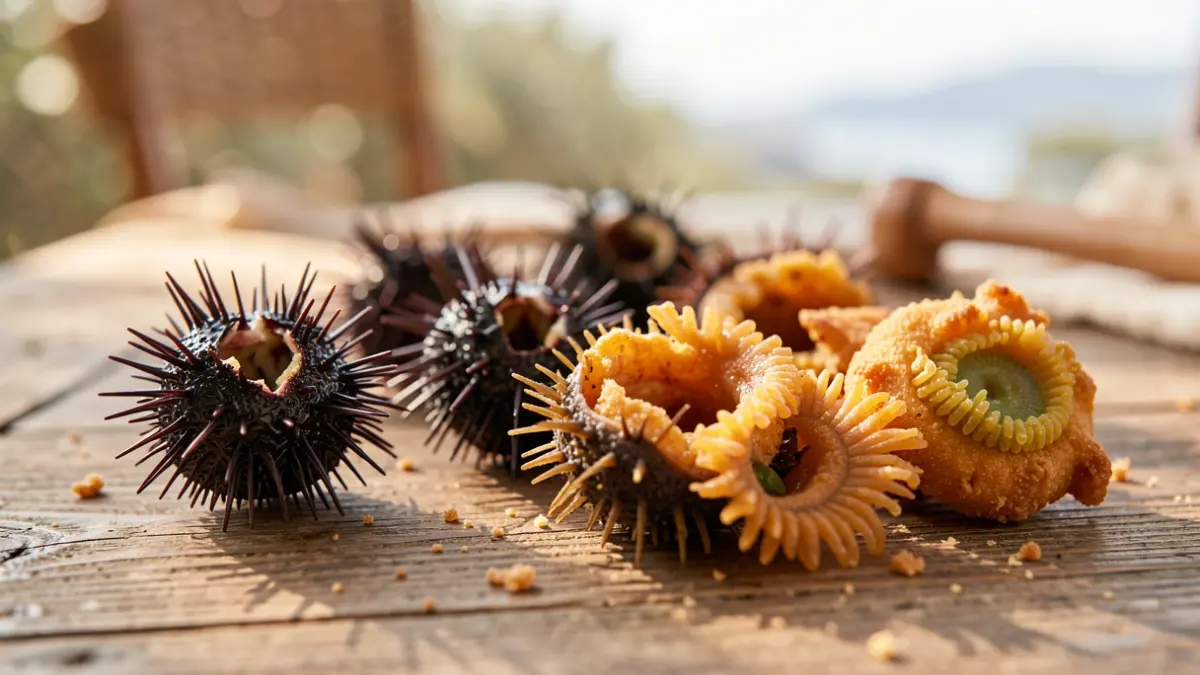
Cádiz's gastronomy holds three elements in its recipe book that were historically considered survival foods. The consumption of sea urchins and sea anemones dates back to times when access to the coast allowed for the collection of these resources in shallow rocky areas. Meanwhile, dogfish, a common shark in local fish markets, has been a pillar of the popular diet for decades, often associated with marinating techniques.
The prestige of these products has undergone a remarkable transformation. What were once considered fishing discards or immediate consumption resources are now positioned at the forefront of culinary innovation. Experts point out that this shift responds to a revaluation of marine products, where the texture and intense flavor of species like the sea anemone fit perfectly with current trends in signature cuisine.
The link between these foods and the festive calendar, especially in the case of sea urchins during February, has solidified their cultural identity. However, current commercialization faces challenges such as biological rest periods and reliance on freezing, which limits seasonal availability. Meanwhile, dogfish remains the undisputed star of paper cones, maintaining its relevance in the maritime culture of towns like San Fernando and the capital of Cádiz.
The analysis of this evolution also highlights a growing gap in access to fresh fish. The trend of large retailers replacing traditional counters with pre-packaged products has raised concerns among specialists, who warn about the loss of culinary knowledge transmission and the rising cost of seafood for the final consumer.