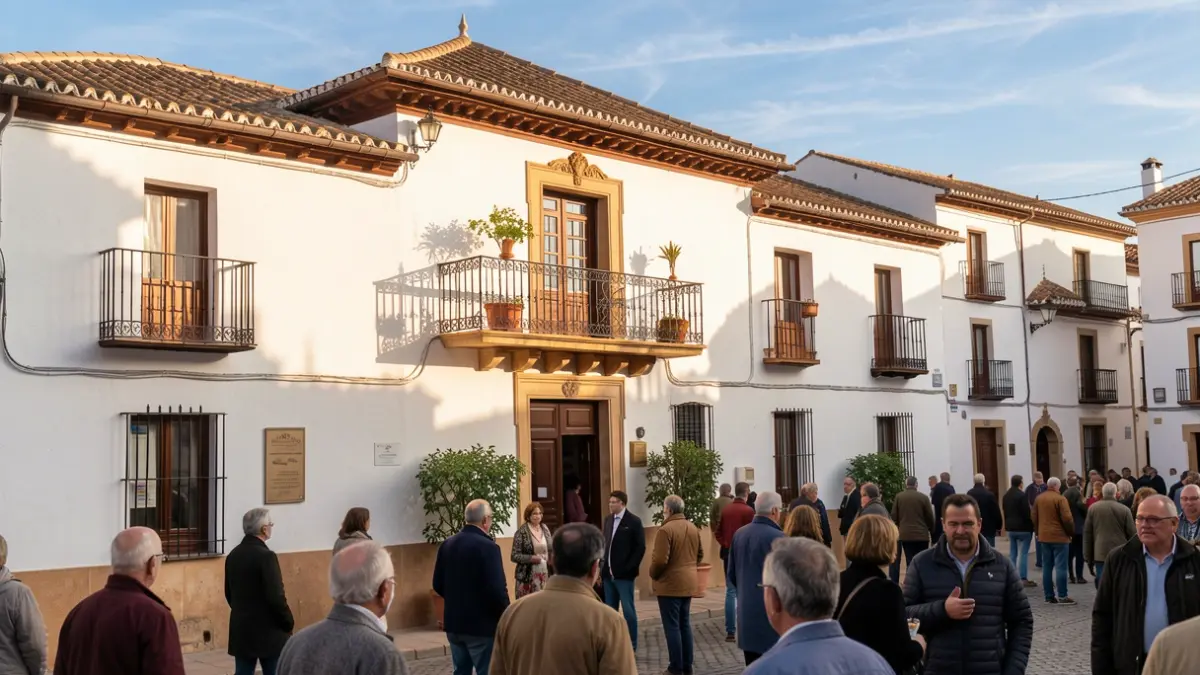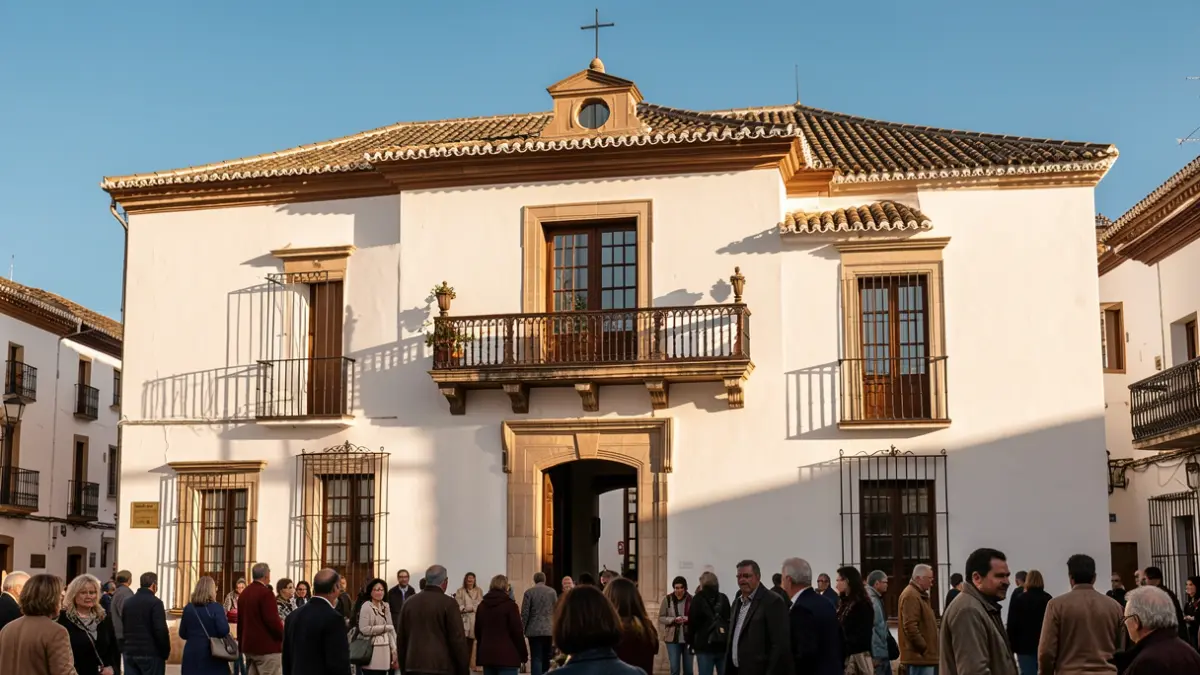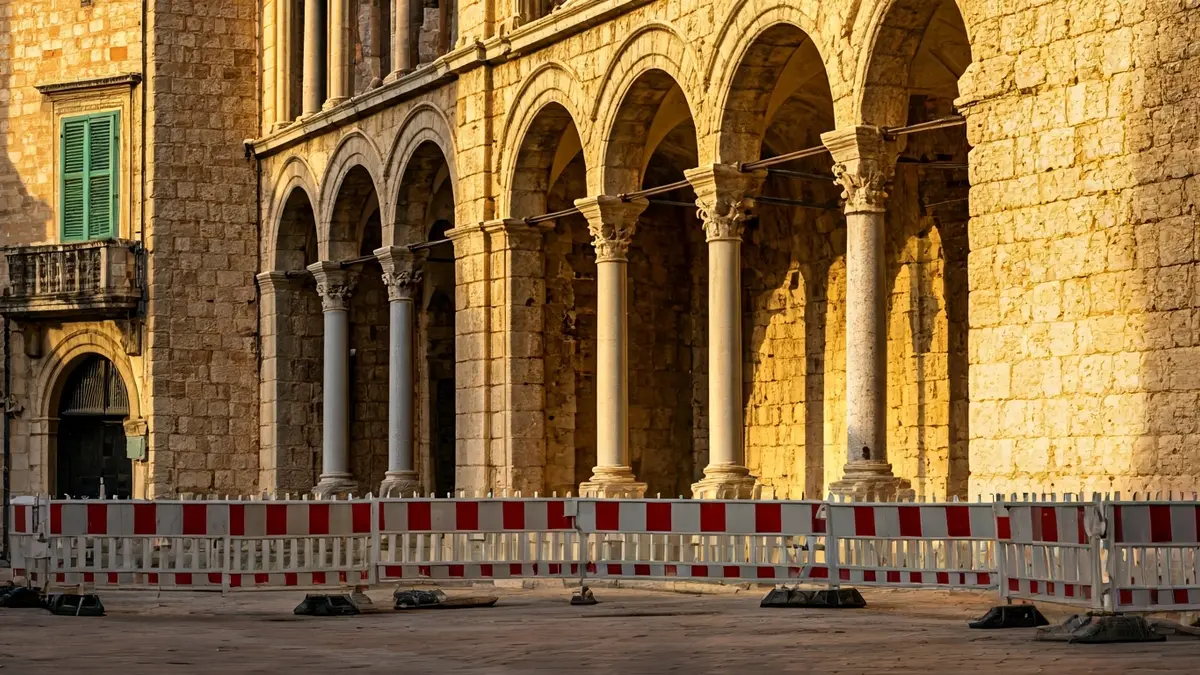
The current intervention, part of the Diputación de Cádiz's Plan Cádiz Marcha, has an estimated completion time of six months. Its primary goal is to optimize the functional conditions and accessibility of the emblematic building, thereby enabling the use of its two floors and rear patio, while preserving its valuable heritage.
This final stage of work includes the installation of an elevator, the implementation of an air conditioning system on the ground floor, the execution of electrical installations on the second floor, and the resolution of pending humidity issues. These improvements are crucial for the property, which spans 704 square meters across two floors on an almost 800-square-meter plot, to become fully operational. The undergrounding of the facade's wiring will be managed as a separate project due to specific technical requirements and timelines.
“"The priority now is to complete the renovation so that the Casa de las Columnas can finally open and become a useful and vibrant space for the citizenry."
The Casa de las Columnas, built in the last third of the 18th century, is renowned for its central patio adorned with marble columns, semicircular arches, and a cistern. The City Council expropriated the property decades ago with the intention of renovating it. Despite several previous interventions, the building had not yet been fully completed for public use.
Previous restoration phases were carried out with funds from the Diputación de Cádiz. The first, through the Dipu-Inver 20/21 Plan, had a budget of 292,000 euros, supplemented by a nominative grant of 40,000 euros. A second phase, initiated in early 2023 with another nominative grant of 150,000 euros from the same entity, included works such as exterior painting, partial air conditioning installation, and solar protection in a multipurpose room. The current intervention represents the culmination of this ambitious project.
The Puerto Real City Council's intention is to dedicate the Casa de las Columnas to administrative and/or cultural purposes, thereby ensuring its preservation as public heritage and its utility for the community.