
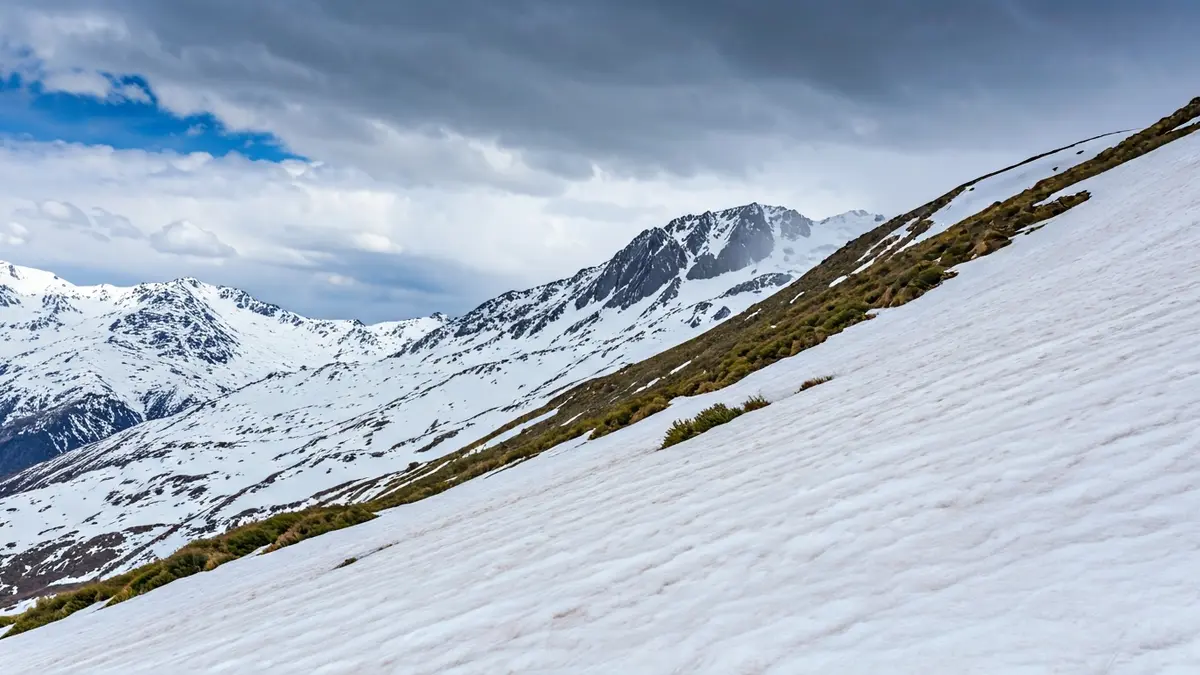
Authorities at Sierra Nevada National Park have detailed that snow accumulations in higher areas reach several meters, which, combined with the thermal ascent, increases the likelihood of avalanches. Mountaineers are urged to exercise extreme caution and to be adequately equipped.
For those planning to ascend, the use of crampons, ice axes, and a helmet is essential. Additionally, it is recommended to carry an avalanche transceiver (DVA), shovel, and probe, and to be proficient in their use. Rivers and streams have high water levels due to snowmelt.
Due to damage caused by recent storms, several trails remain temporarily closed to the public. These include section 5 of the Sulayr trail, La Cebadilla, Pueblos del Poqueira, and Dehesa del Camarate. The State Meteorological Agency (AEMET) forecasts very cloudy skies with weak to moderate precipitation, with snow from 2,400 meters, falling temperatures, and strong southeast winds.
Snow from 2,600 meters with accumulations in some areas of several meters, which increases the risk of landslides given the rise in temperatures.
Safety recommendations include checking the weather forecast before any activity and refraining from going out if conditions are unfavorable. It is crucial not to start any activity without adequate knowledge and equipment, and to avoid going alone. If doing so, the planned route and estimated return time should be communicated to others. If the weather worsens in the mountains, it is advisable not to continue the activity. The importance of sun protection with sunglasses, a cap, and sunscreen is also emphasized, along with carrying sufficient water and a fully charged mobile phone with geolocation apps such as Alpify or Alertcops.