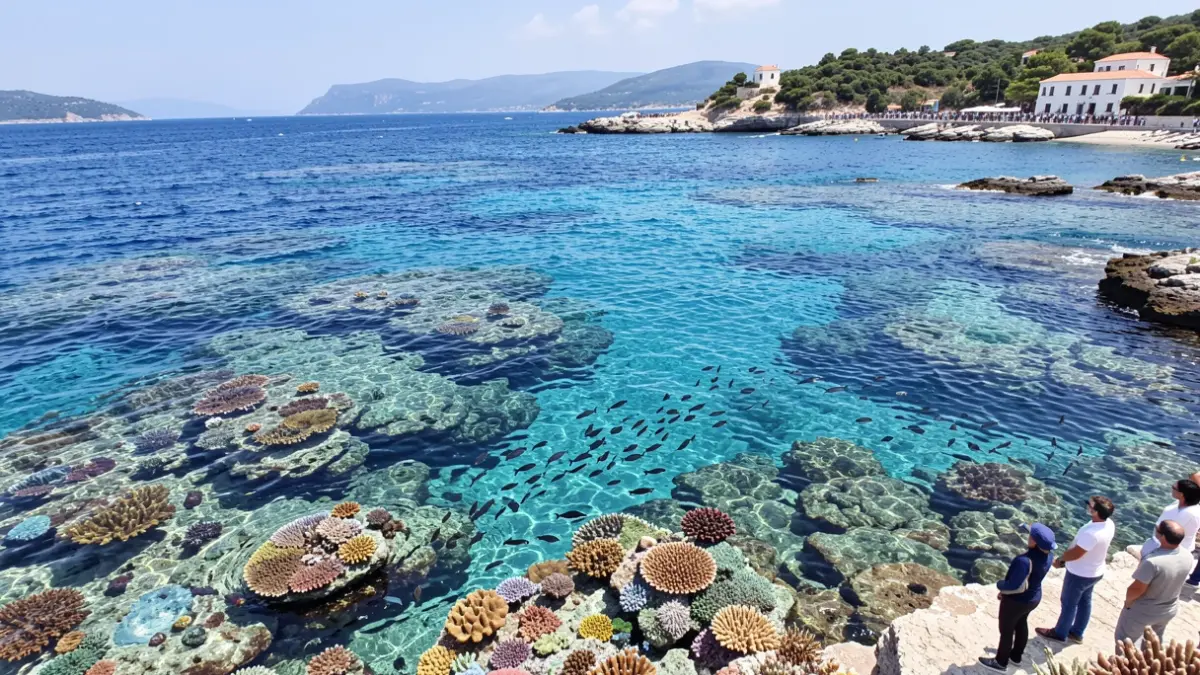
The province of Almería finds in the Mar de Alborán a defining element of its identity, climate, and biodiversity. This basin, the westernmost in the Mediterranean, acts as a natural bridge to the Atlantic Ocean, forming an ecosystem of great scientific value.
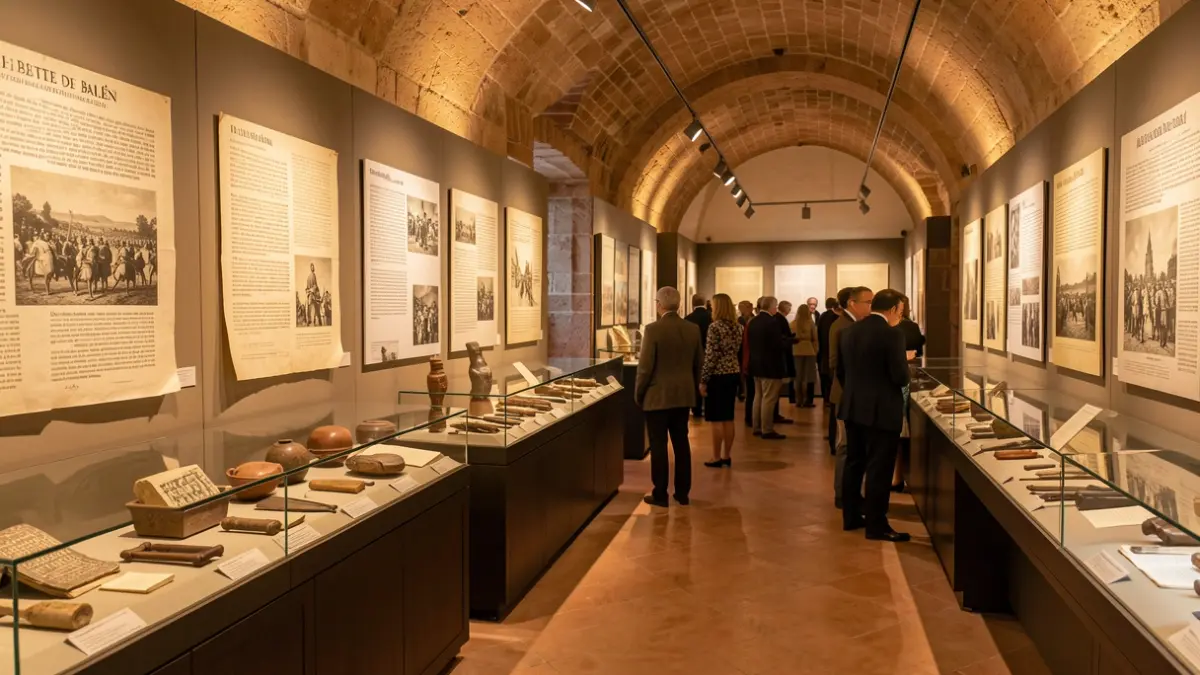
Considered a natural laboratory and a biodiversity 'hotspot', the Mar de Alborán combines complex geology of volcanic and tectonic origin with hydrodynamic phenomena that promote high marine productivity. The exhibition addresses this biological richness through key areas such as the LIC Sur de Almería – Seco de los Olivos, known for its cold coral reefs and gorgonian forests.
Furthermore, its importance as a migratory route and feeding ground for marine mammals is highlighted, with the presence of up to 14 species of cetaceans. The project also examines the main anthropogenic and climatic threats that jeopardize the sustainability of this delicate ecosystem, aiming to promote social awareness and the transfer of scientific knowledge.
The University of Almería, through its Natural History Pavilion, is organizing free guided tours for the public. These will take place on Sundays, October 4th and November 8th, as well as Saturdays, November 28th, and Sundays, December 27th, all at 12:00 PM. Admission is free until capacity is reached, and group reservations can be made in advance via email at phnual@ual.es.