The initiative, to be defended by the municipal spokesperson for the PSOE, Fátima Herrera, in the upcoming Plenary Session, is based on research that places the poet's initial creative steps in this neighborhood. It was in 1906 when a young Federico arrived in the city to study under the guidance of his teacher, Antonio Rodríguez Espinosa, an innovative educator who profoundly influenced his development.
Historical investigations confirm that Espinosa's residence and school were located on Béjar Street, in the heart of the Barrio Alto, where the Juan XXIII Adult Education Center stands today. In this environment, Lorca had an experience he himself recounted years later in an autobiographical note from New York in 1928: while ill and unable to speak, he asked for a mirror and composed his first humorous poem.
There are years that do not pass by. They stay. And 1906 is one of them for Almería, because a child from Granada arrived in our city.
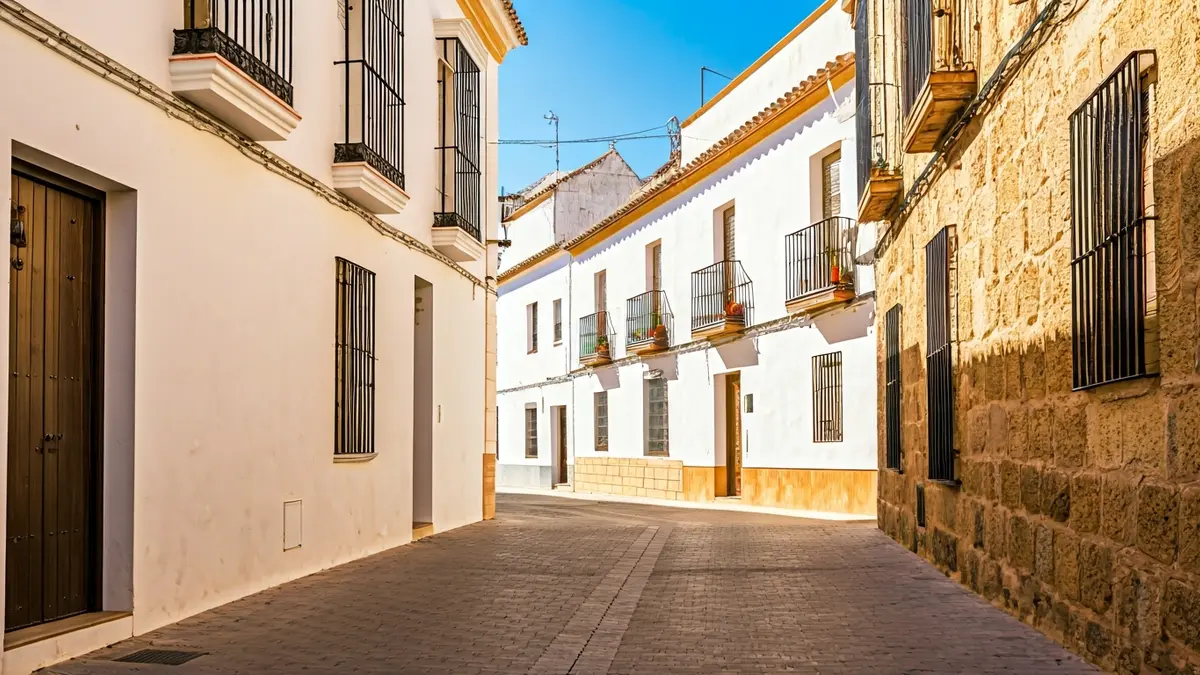
The motion emphasizes that, although the original poem was lost and the architecture has changed, the neighborhood's identity, with its characteristic 'door and window' houses, preserves the soul that welcomed the child poet. Therefore, the PSOE seeks not only nominal recognition but also the implementation of specific, homogeneous, and accessible cultural and tourist signage.
This signage would clearly identify and explain the places related to García Lorca's stay in Almería, as well as unique landmarks on his route through the city, connecting the Barrio Alto with the historic center. The proposal aims for Almería to take responsibility for preserving and disseminating this history, allowing both students and visitors to discover that in these streets, between 1906 and 1909, the spark of one of history's most universal writers was ignited.