AlmeríaCádizCórdobaGranadaHuelvaJaénMálagaSevillaAlpujarra AlmerienseLos VélezComarca Metropolitana de AlmeríaFilabres-TabernasLevante AlmeriensePoniente AlmerienseValle del AlmanzoraBahía de CádizCampiña de JerezCampo de GibraltarCosta NoroesteLa JandaSierra de CádizAlto GuadalquivirCampiña de BaenaCampiña Sur CordobesaLos PedrochesCórdoba (comarca)SubbéticaValle del GuadiatoValle Medio del GuadalquivirAlpujarra GranadinaComarca de AlhamaComarca de BazaComarca de GuadixComarca de HuéscarComarca de LojaCosta GranadinaLos MontesValle de LecrínVega de GranadaEl AndévaloEl Condado de HuelvaCosta OccidentalCuenca MineraComarca Metropolitana de HuelvaSierra de HuelvaÁrea Metropolitana de JaénCampiña de JaénEl Condado (Jaén)La LomaSierra de CazorlaSierra MáginaSierra MorenaSierra de SeguraSierra Sur de JaénLas VillasComarca de AntequeraLa AxarquíaGuadaltebaCosta del Sol OccidentalMálaga Costa del SolNorormaValle del GuadalhorceSerranía de RondaSierra de las NievesAljarafeBajo GuadalquivirCampiña de CarmonaCampiña de Morón y MarchenaComarca de ÉcijaComarca Metropolitana de SevillaSierra Norte de SevillaSierra Sur de SevillaVega del GuadalquivirAlmeríaCádizCórdobaGranadaHuelvaJaénMálagaSevillaAlpujarra AlmerienseLos VélezComarca Metropolitana de AlmeríaFilabres-TabernasLevante AlmeriensePoniente AlmerienseValle del AlmanzoraBahía de CádizCampiña de JerezCampo de GibraltarCosta NoroesteLa JandaSierra de CádizAlto GuadalquivirCampiña de BaenaCampiña Sur CordobesaLos PedrochesCórdoba (comarca)SubbéticaValle del GuadiatoValle Medio del GuadalquivirAlpujarra GranadinaComarca de AlhamaComarca de BazaComarca de GuadixComarca de HuéscarComarca de LojaCosta GranadinaLos MontesValle de LecrínVega de GranadaEl AndévaloEl Condado de HuelvaCosta OccidentalCuenca MineraComarca Metropolitana de HuelvaSierra de HuelvaÁrea Metropolitana de JaénCampiña de JaénEl Condado (Jaén)La LomaSierra de CazorlaSierra MáginaSierra MorenaSierra de SeguraSierra Sur de JaénLas VillasComarca de AntequeraLa AxarquíaGuadaltebaCosta del Sol OccidentalMálaga Costa del SolNorormaValle del GuadalhorceSerranía de RondaSierra de las NievesAljarafeBajo GuadalquivirCampiña de CarmonaCampiña de Morón y MarchenaComarca de ÉcijaComarca Metropolitana de SevillaSierra Norte de SevillaSierra Sur de SevillaVega del Guadalquivir

Almería: European Hub for 60 Climate Change Solutions

The province of Almería has been selected as one of six key European territories for the development of a scientific catalog of adaptation measures.

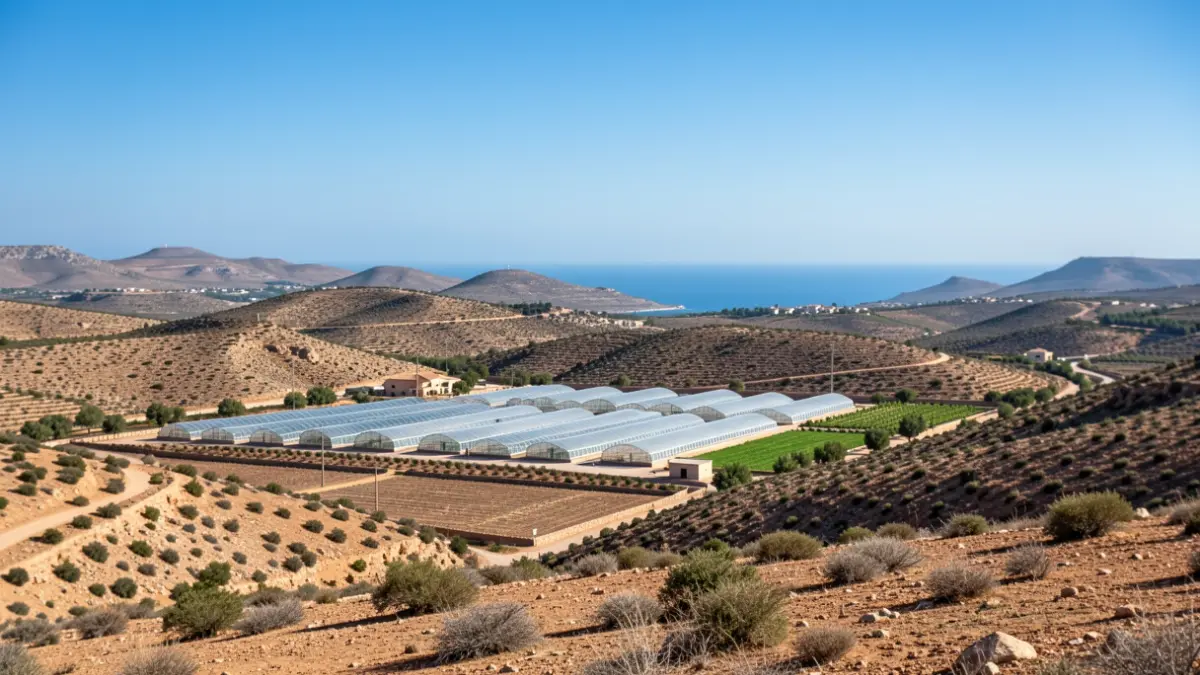
Arid landscape of Almería with greenhouses and the sea in the background, under a blue sky.
IA

Arid landscape of Almería with greenhouses and the sea in the background, under a blue sky.

The province of Almería has been chosen as one of six European territories to develop a catalog of 60 scientific solutions for climate change adaptation.

For years, Almería has been an international benchmark in research on the effects of climate change, highlighting its vulnerability to water scarcity, rising temperatures, and ecosystem pressure. Now, the province is shifting focus, becoming one of six territories selected by an international team of scientists to design the largest catalog of adaptation solutions to global warming in Europe.
The research, part of the European project RethinkAction and published in Scientific Data by Nature, goes beyond problem analysis. Its ambitious goal is to identify effective actions to reduce emissions and increase territorial resilience against extreme climate events like droughts and heatwaves.
To represent diverse European climatic realities, six territories were selected: Gotland (Sweden), Aosta Valley (Italy), Tarn-et-Garonne (France), the Great Hungarian Plain (Hungary), the Azores (Portugal), and Almería, chosen to symbolize the arid and vulnerable Mediterranean climate.
Scientists analyzed documentation on water, agricultural, energy, territorial planning, and forest management policies in Almería, using this information as a basis to create a unique catalog of 60 scientifically backed solutions.
Each measure has been evaluated for its effectiveness in curbing climate change, contribution to adaptation, approximate cost, risks, and implementation obstacles. The result is a detailed guide for planning evidence-based climate policies.
Among the proposed solutions, many are familiar to Almería, such as improving agricultural irrigation efficiency, reusing treated wastewater, rainwater harvesting, precision agriculture, and using artificial intelligence. It also promotes agrovoltaics, wetland and forest restoration, and the construction of zero-emission buildings.
Other measures include reducing food waste, promoting local consumption, electrifying transport, and creating more urban green infrastructure—actions considered fundamental to reducing territorial pressure.
Although many actions align with local initiatives, the project aims to create a tool adaptable to any European region with similar characteristics, providing administrations, farmers, and businesses with a comprehensive scientific basis for decision-making.
This work shifts the perception of Almería from a territory where climate change problems are observed to a place from which useful solutions can be drawn for all of Europe, solidifying its role as a key Mediterranean laboratory for continental climate planning.