The 'boomer' generations, born between 1956 and 1973, are characterized as the most educated in history and have adopted different lifestyles, with fewer children and more diverse relationships. According to Javier Yanguas, scientific director of the senior program at the "la Caixa" Foundation, this reality will translate into an old age with a significantly smaller family support network compared to previous generations.
Yanguas explains that, unlike their mothers or grandmothers, current generations have pursued personal life projects outside the family. This creates different expectations regarding care in old age. Many women, who have been caregivers, do not wish to pass this responsibility to their children, citing the difficulties faced by younger generations (housing access, job insecurity, etc.) and not wanting to be an additional burden.
“"Long and isolated old ages are coming; we need to plan but it's scary to think about it"
In this scenario, technology can be an ally, but not the definitive solution. Yanguas advocates for combining innovation in services with a human and community-centered approach, recognizing that care also involves "a helping hand." The demographic pyramid, with fewer potential caregivers and complex family realities (only children caring for multiple relatives), accentuates the need for preparation.
A retirement that can last between a quarter and a third of one's life demands planning that goes beyond finances. "We need to plan for these old ages a bit; give them some direction so they make sense despite the fragile situations they face and can perceive quality of life," the expert notes. This includes defining how we want to be cared for and how we want to relate to our children during this stage.
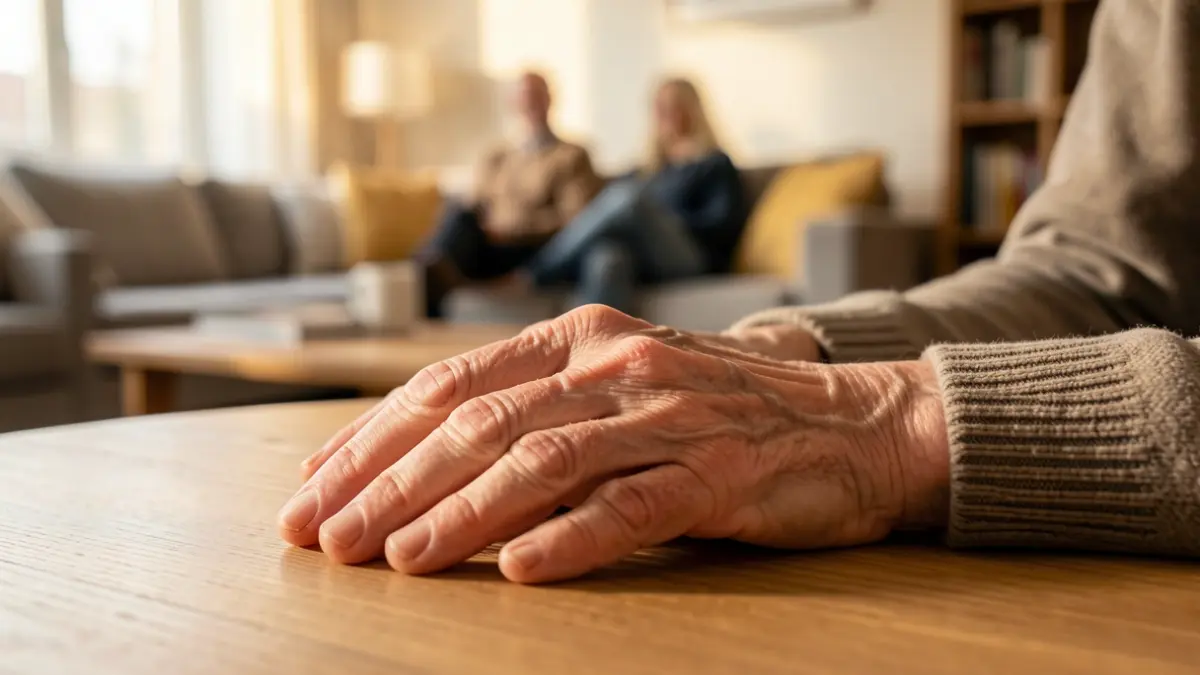
“"We have to learn that loneliness is part of the human condition"
Finally, Yanguas addresses unwanted loneliness, proposing a narrative shift: instead of treating it as an illness or a mere problem of lack of company, we must learn to "inhabit" it and live with it, empowering individuals to manage this inherent part of the human condition.