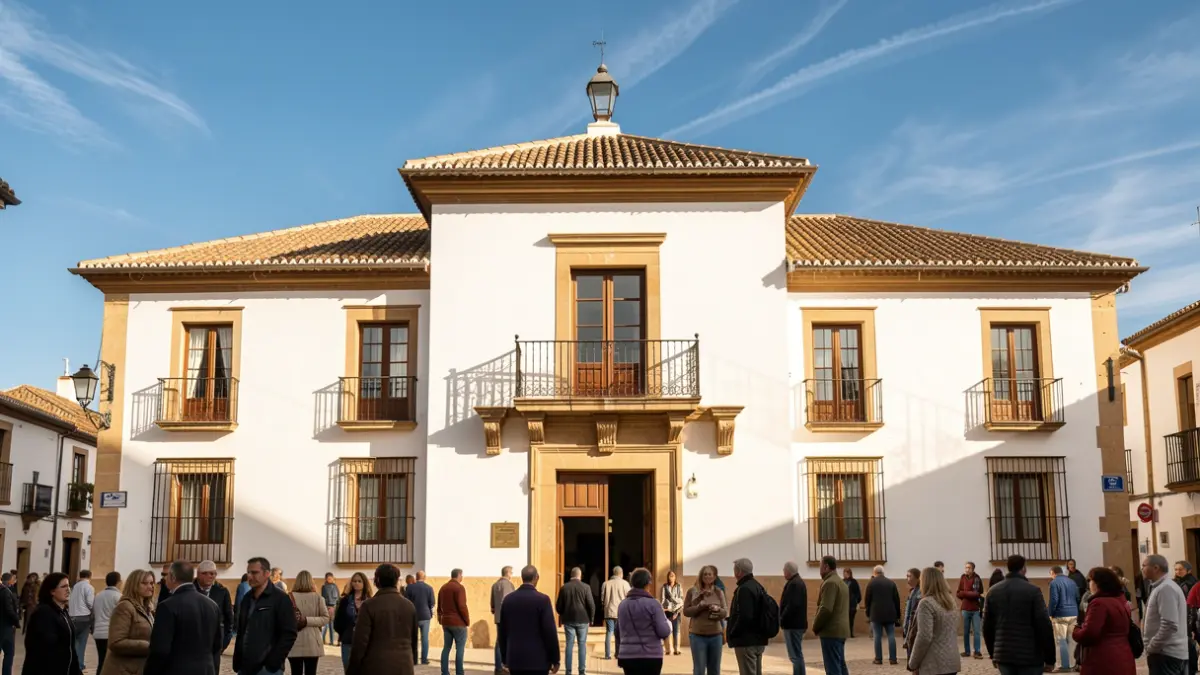
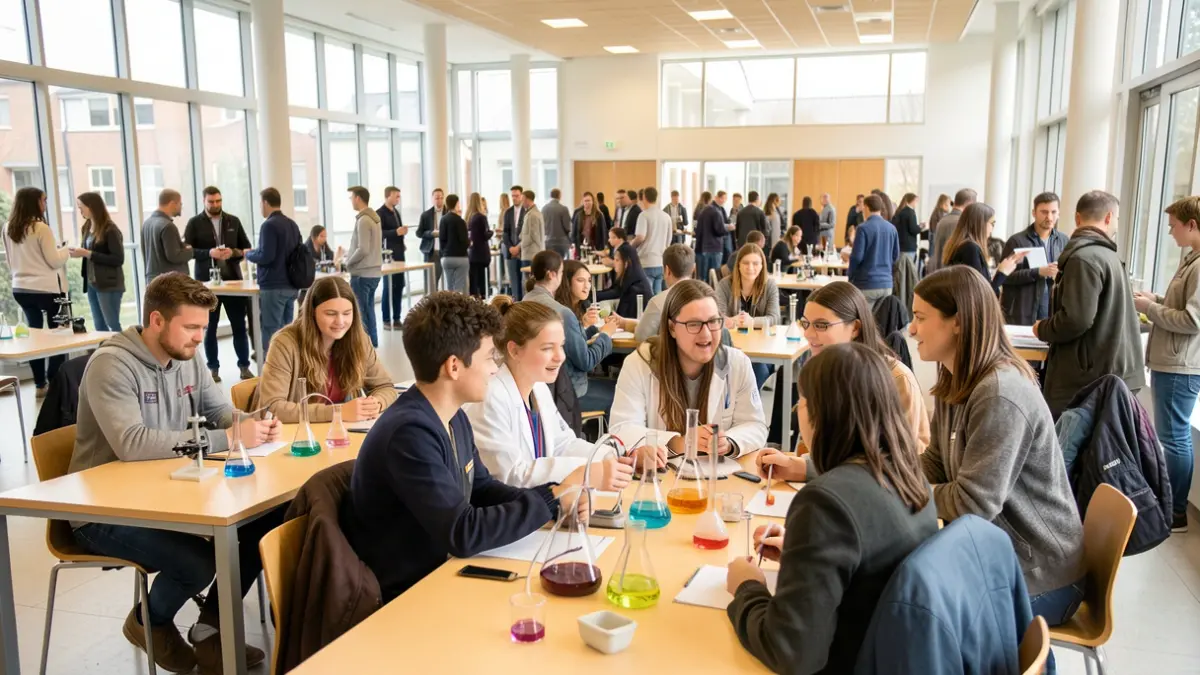
The Faculty of Education at the University of Málaga hosted the fifteenth edition of ‘Café con Ciencia’ (Science Café), an initiative that brought together a hundred students from the final year of ESO and the first year of Bachillerato from Málaga's institutes, IES Ben Gabirol and IES Torre Atalaya. The event aims to introduce the work of UMA researchers to pre-university students.
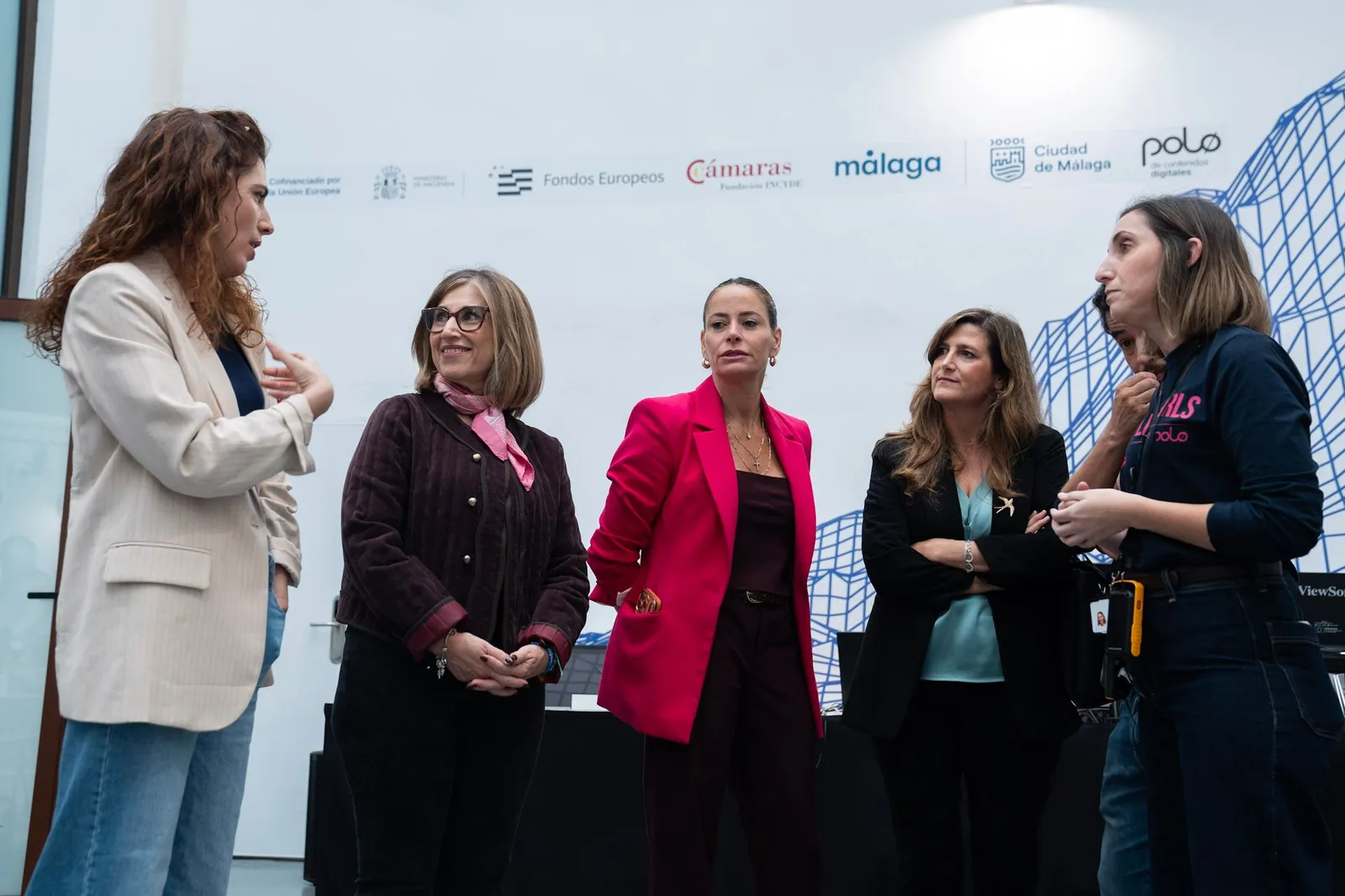
The event, held in the hall of the Faculty of Educational Sciences, featured the participation of about twenty researchers. Jesús Gallardo Romero, Vice-Dean of Academic Planning at the Faculty of Educational Sciences, welcomed the attendees, highlighting the approachable nature of the space. Eva Alarcón Fanjul, Head of the Scientific Publications and Dissemination Service, thanked the participating institutes and research staff, emphasizing the importance of making scientific work visible. Pedro Cañada Rudner, Director of Infrastructure for Research Support and Scientific Dissemination, stressed the significance of following scientific role models in an era dominated by social media immediacy.
The young attendees rotated through up to four different thematic tables, exploring areas such as health, biology, history, cultural heritage, agriculture, electronics, and environmental sustainability. The day included a breakfast with the research team and a visit to the exhibition ‘A Blue Bridge: Byzantium and its Legacy in Spain’.
In the health sector, Alicia González González explained the importance of intestinal microbiota and its relation to diseases. Rafael Villalba Bravo presented portable devices for measuring physiological signals. In history and heritage, Sonia Ríos Moyano, Leticia Crespillo Marí, and Javier González Torres discussed the study of cultural heritage using new technologies. Jaime Vizcaíno Sánchez and Paula Caballero Sánchez explored the footprint of the Byzantine Empire in the Iberian Peninsula. Ariadna Guimerà Martínez, Daniel Pérez de la Vega, and Manuel García Borrego used gamification to explain the lives of the first monks in the Egyptian desert.
Environmental sustainability also had its space with Rafael Antonio Cañas Pendón and Javier Garrido Domínguez, who explained the effects of atmospheric carbon dioxide on crops and research aimed at mitigating adverse impacts on agriculture.
‘Café con Ciencia’ is an initiative by the Descubre Foundation, in collaboration with Andalusian research entities, and is part of the Science Week, funded by the Regional Ministry of University, Research, and Innovation and the Spanish Foundation for Science and Technology.