AlmeríaCádizCórdobaGranadaHuelvaJaénMálagaSevillaAlpujarra AlmerienseLos VélezComarca Metropolitana de AlmeríaFilabres-TabernasLevante AlmeriensePoniente AlmerienseValle del AlmanzoraBahía de CádizCampiña de JerezCampo de GibraltarCosta NoroesteLa JandaSierra de CádizAlto GuadalquivirCampiña de BaenaCampiña Sur CordobesaLos PedrochesCórdoba (comarca)SubbéticaValle del GuadiatoValle Medio del GuadalquivirAlpujarra GranadinaComarca de AlhamaComarca de BazaComarca de GuadixComarca de HuéscarComarca de LojaCosta GranadinaLos MontesValle de LecrínVega de GranadaEl AndévaloEl Condado de HuelvaCosta OccidentalCuenca MineraComarca Metropolitana de HuelvaSierra de HuelvaÁrea Metropolitana de JaénCampiña de JaénEl Condado (Jaén)La LomaSierra de CazorlaSierra MáginaSierra MorenaSierra de SeguraSierra Sur de JaénLas VillasComarca de AntequeraLa AxarquíaGuadaltebaCosta del Sol OccidentalMálaga Costa del SolNorormaValle del GuadalhorceSerranía de RondaSierra de las NievesAljarafeBajo GuadalquivirCampiña de CarmonaCampiña de Morón y MarchenaComarca de ÉcijaComarca Metropolitana de SevillaSierra Norte de SevillaSierra Sur de SevillaVega del GuadalquivirAlmeríaCádizCórdobaGranadaHuelvaJaénMálagaSevillaAlpujarra AlmerienseLos VélezComarca Metropolitana de AlmeríaFilabres-TabernasLevante AlmeriensePoniente AlmerienseValle del AlmanzoraBahía de CádizCampiña de JerezCampo de GibraltarCosta NoroesteLa JandaSierra de CádizAlto GuadalquivirCampiña de BaenaCampiña Sur CordobesaLos PedrochesCórdoba (comarca)SubbéticaValle del GuadiatoValle Medio del GuadalquivirAlpujarra GranadinaComarca de AlhamaComarca de BazaComarca de GuadixComarca de HuéscarComarca de LojaCosta GranadinaLos MontesValle de LecrínVega de GranadaEl AndévaloEl Condado de HuelvaCosta OccidentalCuenca MineraComarca Metropolitana de HuelvaSierra de HuelvaÁrea Metropolitana de JaénCampiña de JaénEl Condado (Jaén)La LomaSierra de CazorlaSierra MáginaSierra MorenaSierra de SeguraSierra Sur de JaénLas VillasComarca de AntequeraLa AxarquíaGuadaltebaCosta del Sol OccidentalMálaga Costa del SolNorormaValle del GuadalhorceSerranía de RondaSierra de las NievesAljarafeBajo GuadalquivirCampiña de CarmonaCampiña de Morón y MarchenaComarca de ÉcijaComarca Metropolitana de SevillaSierra Norte de SevillaSierra Sur de SevillaVega del Guadalquivir

Excavations in Jaén reveal Iberian resistance against Roman massacre of Iliturgi

Archaeologists discover fortifications and evidence of Roman artillery at the Iliturgi site, rewriting conquest history.

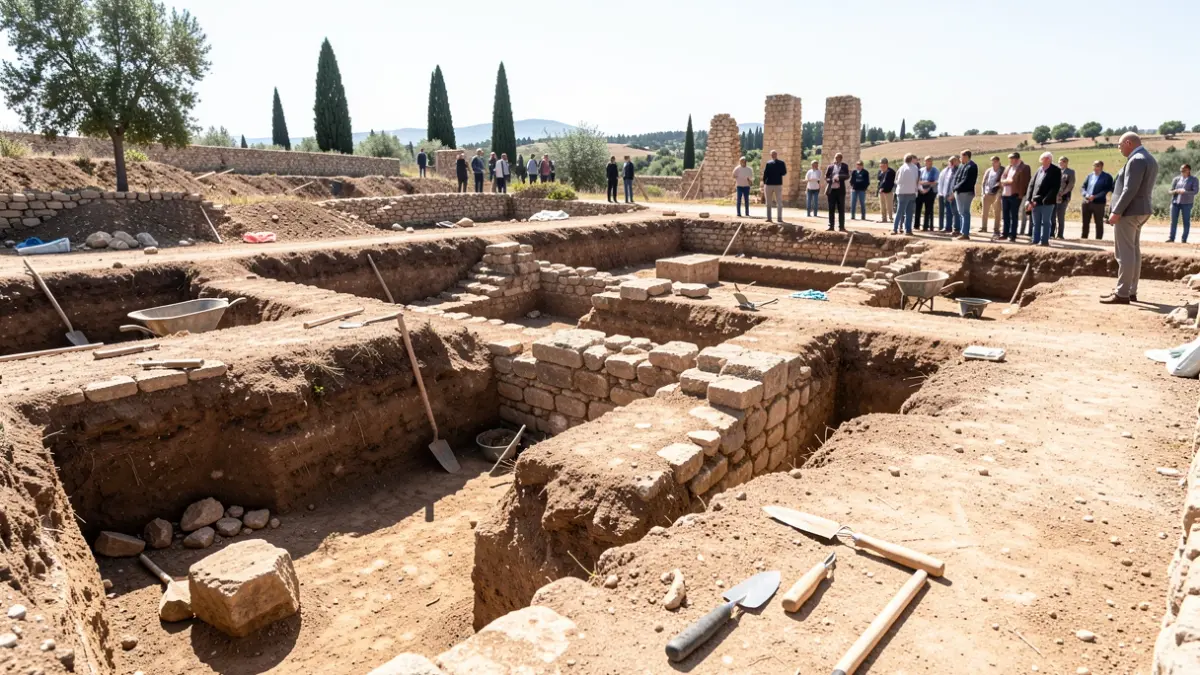
Archaeological excavation in Jaén, Spain, showing Iberian ruins and defensive structures.
IA

Archaeological excavation in Jaén, Spain, showing Iberian ruins and defensive structures.

Archaeologists at the Cerro de la Muela in Jaén are unearthing evidence of how the Iberian city of Iliturgi prepared to resist the Roman siege of 206 BC, contradicting the narrative of a peaceful conquest.

Archaeological work at the Cerro de la Muela, on the remains of the ancient Iberian city of Iliturgi in the present-day province of Jaén, is shedding light on the brutality of the Roman conquest and the resistance capabilities of pre-Roman peoples. Led by Juan Pedro Bellón and Carmen Rueda, the excavation challenges the traditional view of a civilizing Rome and passive resistance.
Roman chronicles describe the destruction of Iliturgi as a massacre, but recent findings suggest that the city, with an estimated population of 5,000 to 6,000 inhabitants, reinforced its defenses before the arrival of Scipio Africanus's army. Repairs to the walls and the construction of a double ditch have been documented, military infrastructures designed to impede the Roman advance.
One of the most significant discoveries is the first archaeological evidence in the Iberian Peninsula of the Roman army's use of siege artillery. Projectiles from torsion machines, such as catapults and scorpions, have been recovered, which researchers believe were captured by Scipio from the Carthaginians in Cartagena. Georeferenced study of the projectiles has allowed reconstruction of the exact firing positions of these machines, located about 200 meters from the fortifications.
The team has also found remains of the great fire that destroyed the city, as well as evidence of intentional demolition of parts of the fortification, consistent with historical descriptions. However, the sheer size of the Roman army, estimated at over 20,000 soldiers, overwhelmed Iliturgi's defensive capabilities.
Bellón emphasizes the need to reconsider the narrative of the Roman conquest, describing it not as a peaceful process but as a violent imposition. Research suggests that between 80% and 90% of the population may have died during the siege, evidenced by a subsequent demographic void in the territory.
Roman sources justified the punishment of Iliturgi by alleging betrayal, but archaeologists argue this is based on a Roman interpretation of Iberian pacts, which were personal and not binding after the death of the signatories. Iliturgi's strategic location, controlling the Hannibal's Road and near the future Via Augusta, explains Roman and Carthaginian interest in dominating the enclave.
Despite significant findings, researchers have excavated only about 1% of the ancient Iberian city, suggesting enormous scientific potential yet to be discovered at this site, funded by the Ministry, the Junta de Andalucía, and the Mengíbar City Council.