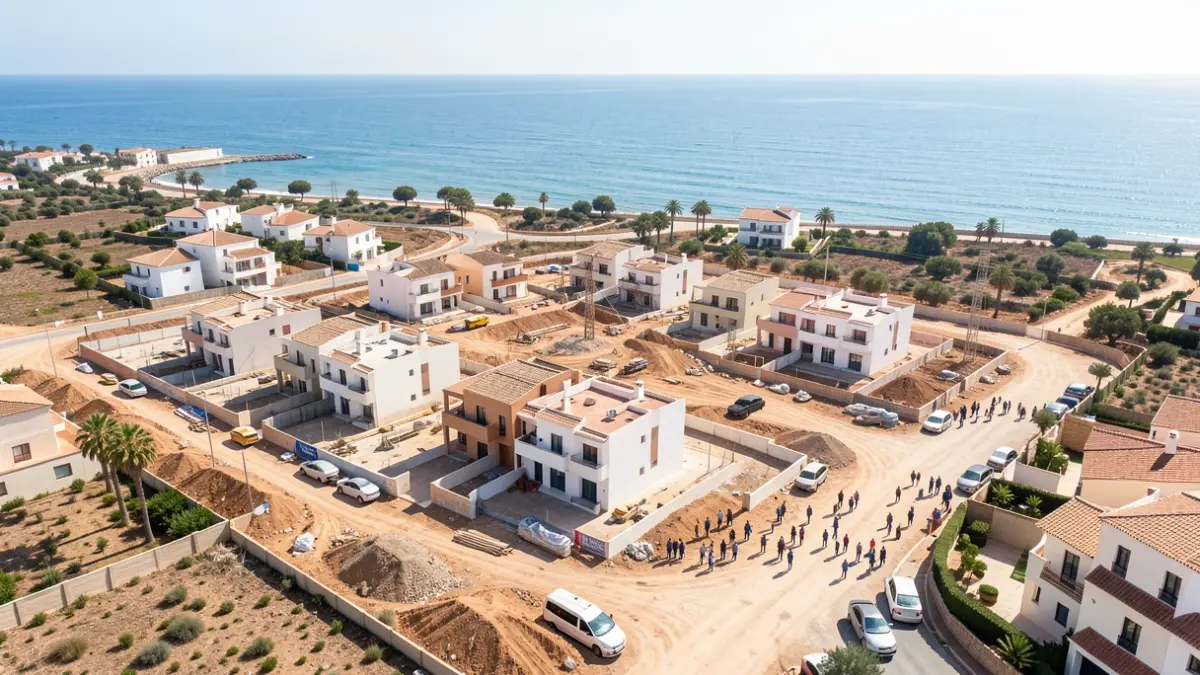
The provincial president of the PP, Manuel Andrés González, criticized the regulatory modification, stating that the new delimitations of public domain could endanger homes and constructions with legally consolidated situations for decades in municipalities such as Ayamonte, Isla Cristina, Lepe, Cartaya, Punta Umbría, Palos de la Frontera, and Almonte.
González announced that the Popular Group in the Senate will present a motion against this reform, arguing that it is being promoted "without transparency and without consensus" with regional administrations and affected property owners. He warned of the uncertainty generated among families residing in traditional coastal settlements, who fear losing acquired rights or facing demolitions.
The popular leader recalled that a similar reform was annulled by the Supreme Court in 2022, as it was deemed to require a legal reform rather than just a regulatory one. Furthermore, he questioned the lack of a specific study on the economic and labor consequences, which could affect key sectors such as fishing, shellfish farming, tourism, hospitality, and sports marinas.
The PP advocates for the need to reconcile coastal protection with the defense of private property, economic activity, and employment in coastal municipalities. The motion aims to urge the government to review the reform and engage in dialogue with the involved parties before its processing.