Beyond its beaches and celebrations, Spain boasts a collection of surprising regulations that can lead to fines for everyday actions. From the impossibility of dying in Lanjaron to the ban on building sandcastles in Tenerife, these laws, often born from specific circumstances or as protest measures, remain technically in effect in some cases.
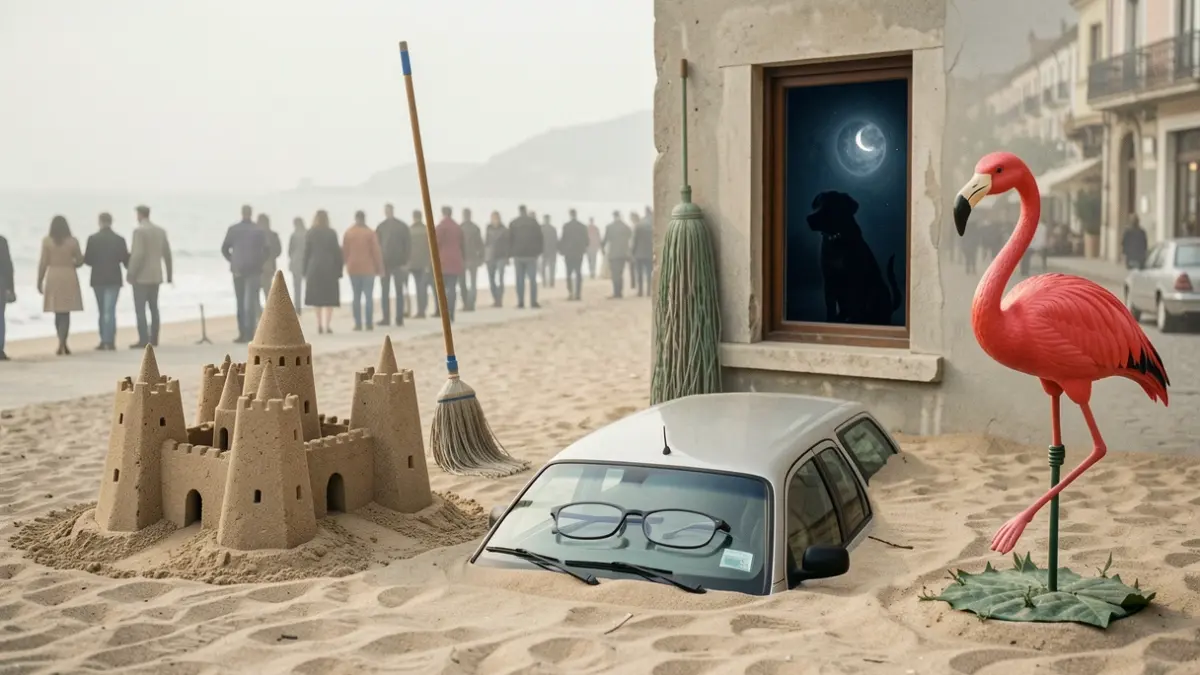
In Lanjaron, Granada, a 1999 law urges residents to 'remain alive' due to a full cemetery. On the coasts, such as in Tenerife, sandcastles are banned, and in the Costa Blanca, they must be flattened before leaving. Villanueva de la Torre prohibits dog barking between 2 PM and 4 PM and at night, while an even stranger rule bans dumping radioactive waste in local bins, despite the absence of nuclear facilities in the town.
Other regulations include the prohibition of drying clothes visibly from public spaces in parts of Castilla-La Mancha, punishable by a €750 fine, and restrictions on playing dominoes at outdoor cafes in Sevilla due to noise. In cities like Madrid, Mojacar, and Ciudad Real, running, skating, or tap dancing inside apartment buildings is forbidden to maintain neighbourly peace.
Traffic violations also have their share of originality: engaging in sexual activity in a car can cost €750 in Granada or Malaga, and a driver in Valencia was fined for 'distracting himself at the wheel'. Sleeping in a car or any public place is banned in Bilbao, as is bathing in fountains or washing socks in public.
Regarding names, Spain prohibits those deemed inappropriate, such as Judas, Cain, or Lenin. Drivers who wear glasses must always carry a spare pair in the car, or face a fine. Finally, in some homeowners' associations in resort areas like Marbella or Torrevieja, garden ornaments like flamingos or gnomes are banned to 'maintain aesthetic harmony'.