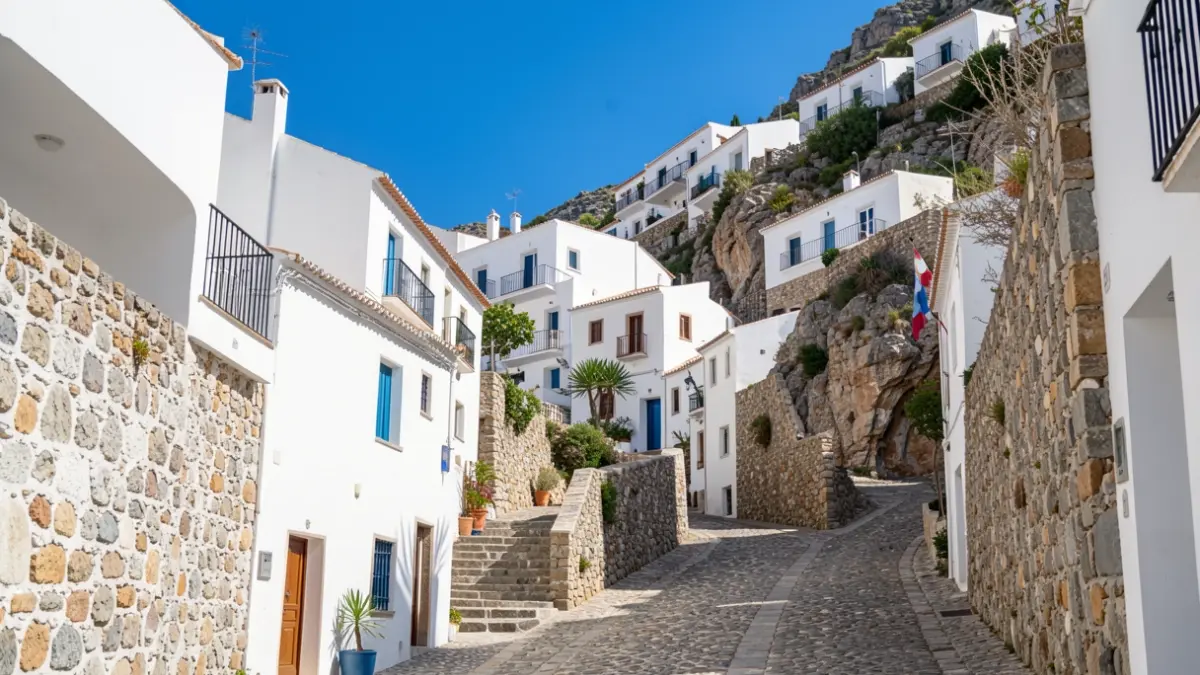
This distinction places Casares among the country's most unique and attractive destinations, emphasizing its heritage, natural beauty, and historical and cultural identity. The jury particularly praised the layout of its historic center, adapted to the mountain, with its narrow streets, traditional architecture, and characteristic white silhouette integrated into the mountainous landscape.
Alejandro García Vidal, the Councilor for Historical Heritage of the Casares City Council, stated that the jury was captivated by the municipality's natural beauty, its history, and its singular architecture. He also underscored the historical and symbolic value of Casares as the birthplace of Blas Infante, which imbues the town with a special link to Andalusian history and identity.
Casares joins 13 other towns in the 'Magical Towns of Spain 2027' network, an initiative by a non-profit association aimed at recognizing and promoting municipalities with distinct identities, rich heritage, and future vision. The project encourages cooperation among towns to boost local businesses, tourist establishments, and cultural initiatives.
Joining this network will enhance Casares' projection as a destination, enabling it to be part of new itineraries and experiences. This recognition offers a new opportunity to showcase the municipality, highlighting not only its landscape and historic center but also the history, traditions, and identity that make it a unique place.
The 14 new additions to the 'Magical Towns' network in 2027 are: Artajona (Navarra), Burguillos del Cerro (Badajoz), Candeleda (Ávila), Casares (Málaga), Guardamar del Segura (Alicante), Jódar (Jaén), Medina de Pomar (Burgos), Morata de Tajuña (Madrid), Rianxo (A Coruña), Riba-roja d’Ebre (Tarragona), Sabiote (Jaén), Trillo (Guadalajara), Unha (Lleida), and Villaviciosa de Odón (Madrid).