The decision by the Criminal Chamber of the Supreme Court has upheld the appeals filed, leading to a reduction in sentences from three years and one month to two years and five months for each defendant. Additionally, the imposed fine has decreased from 60,000 euros to 20,000 euros. This ruling establishes an important precedent in how the weight of such narcotics is calculated in the province.
The events that led to this judicial process date back to August 2024, when an indoor marijuana plantation was discovered in an industrial warehouse in the La Juaida Industrial Estate, in Viator. Authorities found 680 marijuana plants and 910 cannabis cuttings, along with sophisticated technical equipment. For electricity supply, the individuals used a fraudulent connection to the Endesa grid, causing an economic loss of 9,228.98 euros.
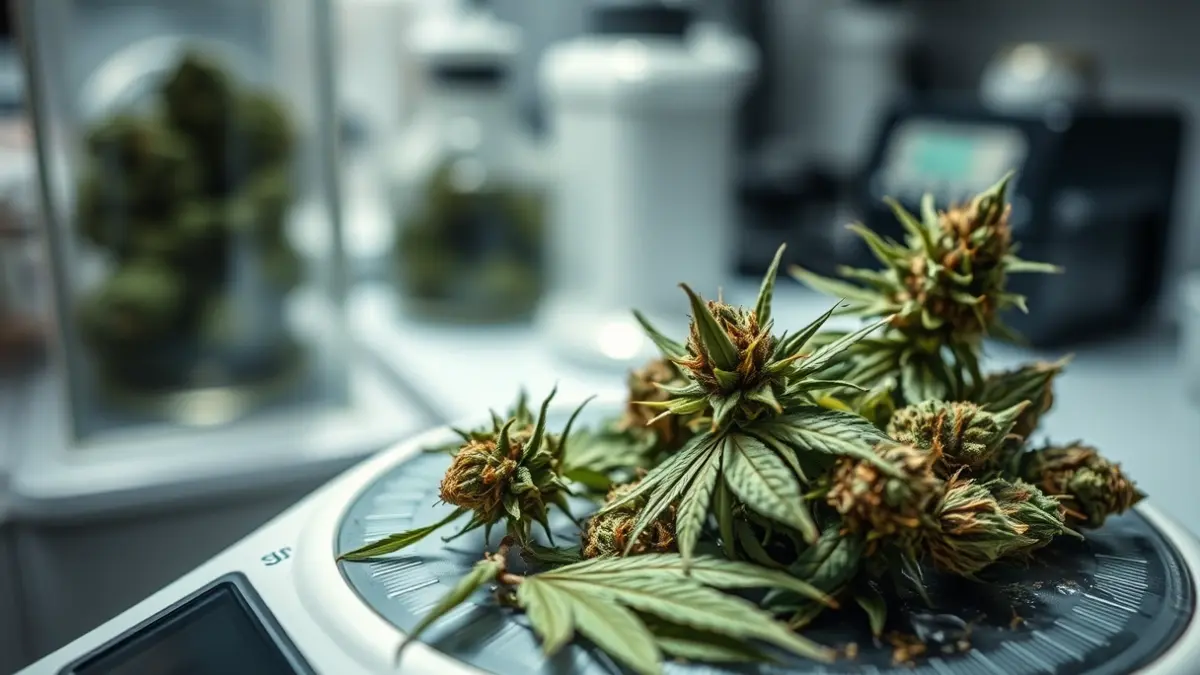
“"Spanish criminal jurisdiction strictly adheres to the guidelines set forth in the 1961 Single Convention on Narcotic Drugs. This international convention legally defines which parts of the plant constitute a drug. For the purposes of control and criminal conviction, only 'flowering or fruiting tops' and those leaves physically attached to said tops are considered cannabis."
The core of the judicial debate focused on the weighing and classification of the drug. Both the Criminal Court No. 2 of Almería and, subsequently, the Third Section of the Provincial Court, had considered that the seized plant material exceeded 10 kilograms, the threshold for applying the aggravating factor of "notorious importance" according to the Penal Code. However, the defense argued that different parts of the plant had been mixed to inflate the weight.
The Supreme Court has supported this argument, recalling that the 1961 Single Convention on Narcotic Drugs legally defines which parts of the cannabis plant are considered drugs. It explicitly excludes seeds, roots, stems, woody parts, and, crucially, loose leaves not attached to the buds. By discounting these non-controlled parts, the actual weight of the plantation is set at 7.15 kilograms, below the 10-kilogram limit required for the aggravating factor.
The ruling also clarifies that the percentage of THC (tetrahydrocannabinol) is irrelevant for calculating the total weight of natural products without complex chemical alterations. The defendants maintain their conviction for electricity fraud, which entails a six-month fine and the obligation to compensate Endesa.