The colloquium featured Juan Gisbert, director of CECOUAL; Diego Valera, president of the Governing Board of the Cabo de Gata-Níjar Natural Park; Leila Isabel Urrutia Mazzuca, activity organizer; and Miguel Giménez Moolhuyzen, Project Manager of UNIgreen, alongside participating students.
Juan Gisbert highlighted that the activity aimed for students to experience and commit to the environment, beyond lectures. "That is to say, to mobilize attitudes, not only skills, but attitudes towards the environment, towards pollution, and towards protected areas", he stated.
Diego Valera emphasized the importance of educating university students on environmental issues for the conservation of the Cabo de Gata-Níjar Natural Park, calling it a "jewel" and stressing that knowledge of it aids in preserving its values.
Leila Isabel Urrutia Mazzuca pointed out the value of the practical aspect of the experience: "I really enjoyed it, because we have few opportunities to see the practical side. Theoretical parts and classes are useful, but here we could really see what we wanted to protect, where the plastic really was, what waste we had, so the practical part was very useful".
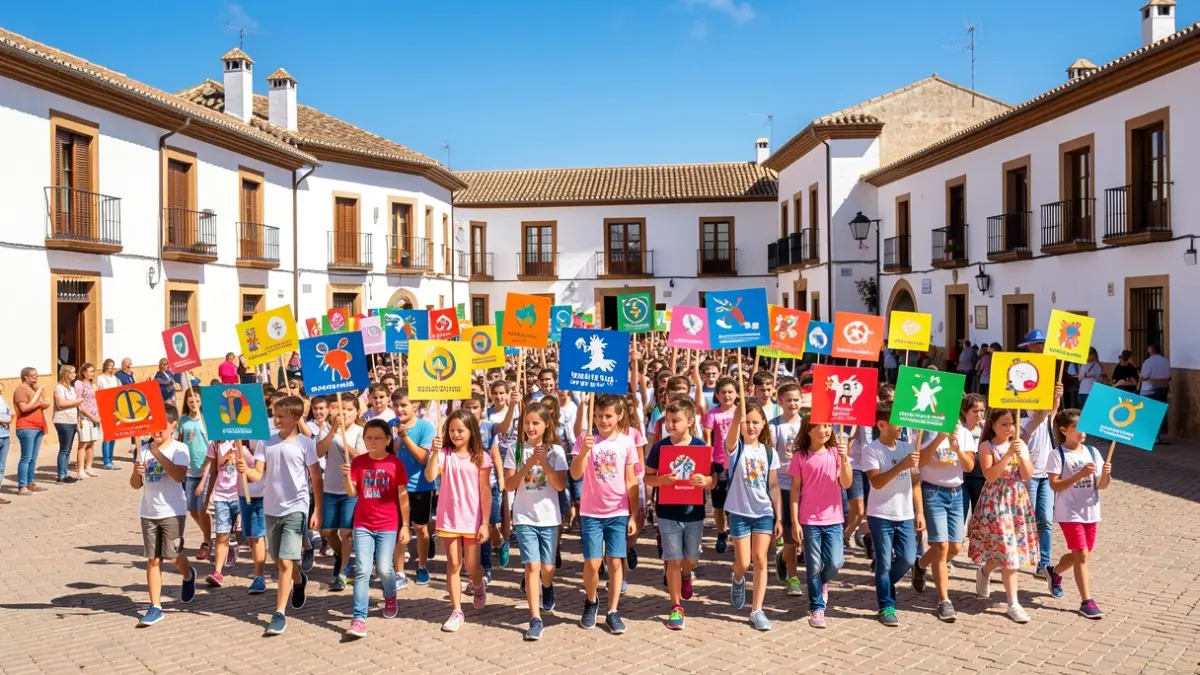
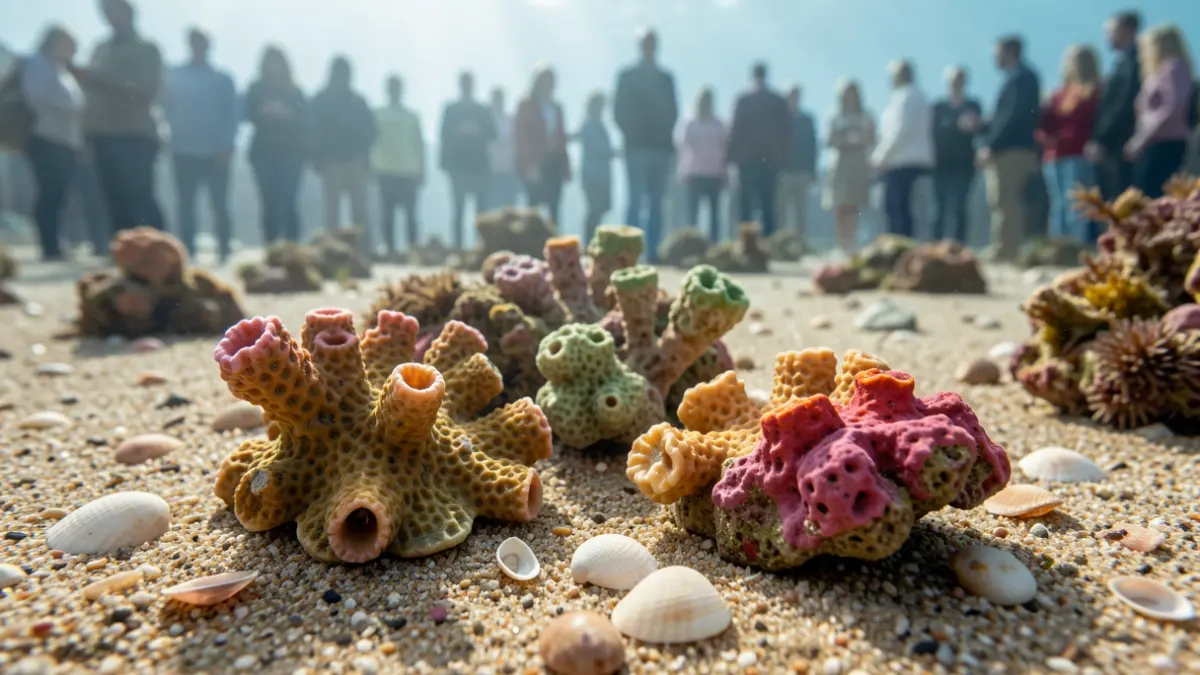
The camp, held between October 17 and November 8, 2026, brought together about thirty local and international students from the University of Almería. It included welcome dynamics on campus, team formation, ideation sessions, a lecture on plastics in the marine food chain, snorkeling and kayaking excursions at La Fabriquilla, beach clean-ups along the Almería coast, and online sessions on material reuse and marine conservation.
The final days covered transforming marine waste into textiles, the biodiversity of the Alboran Sea, protocols for marine fauna strandings, and work with sea turtles, with participation from entities like SERBAL and Seaqual. The practical workshop 'From Plastic to Keepsake' allowed for the reuse of collected waste.
The program concluded with an exhibition of student creations, laboratory demonstrations, and a final joint challenge at the UAL facilities, aiming to integrate applied training, environmental action, and intercultural exchange.