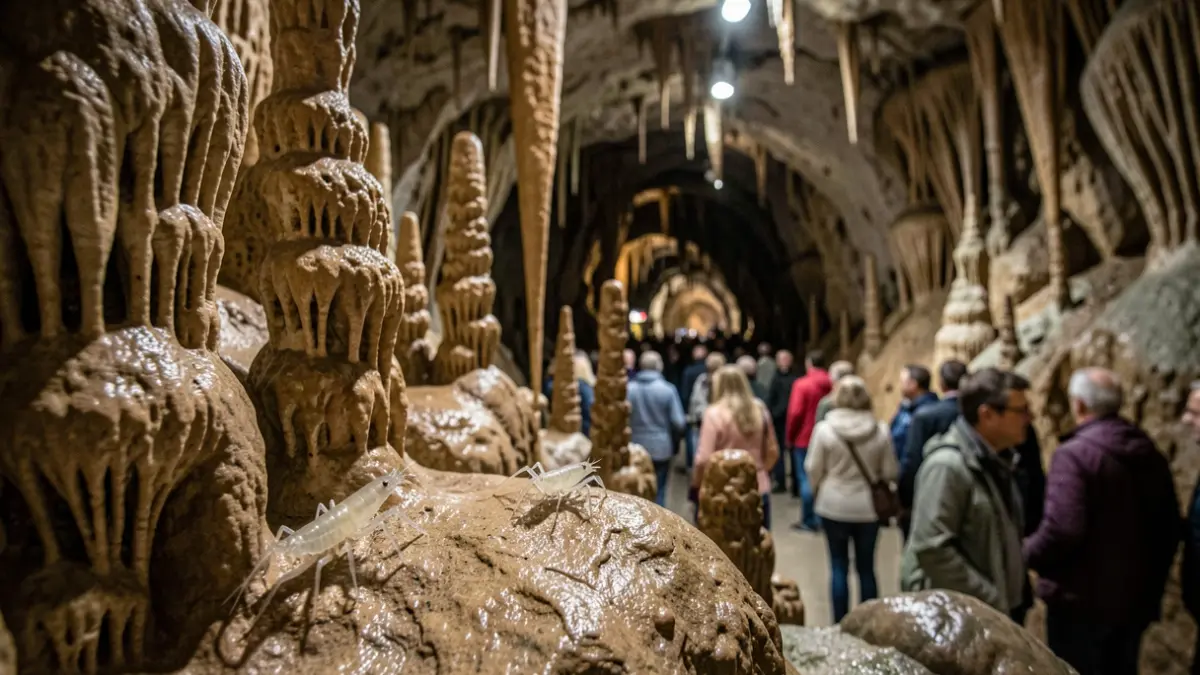
The discovery was made as part of studies conducted under an agreement with the University of Córdoba. The mayor emphasized that this species represents very positive news for biodiversity and nature, assuring that the City Council is working closely with the Regional Government of Andalusia to obtain the necessary permits for the cave's public opening. The aim is to diversify the local economy through sustainable tourism that protects natural heritage.
The cave is expected to open its doors by the end of the year, once the existing stairs are replaced during the opening period. UCO professor Alberto Redondo highlighted the City Council's respect for the environment, stating that tourism only makes sense if it is sustainable. Redondo also praised the collaboration between science, research, and management that has facilitated these advancements.
The study, involving specialists such as researcher Alberto Tinaut and expert Julio Cifuentes, focused on the lower galleries of the cave. A new troglobitic species from the family Philosciidae has been identified, provisionally named 'Paratenoscia morai' in honor of speleologist José Antonio Morena. While its existence was known, it had not been fully identified until now.
The new crustacean species is abundant in the cavity, suggesting its survival is not threatened if the cave's current usage is maintained and environmental regulations are respected.