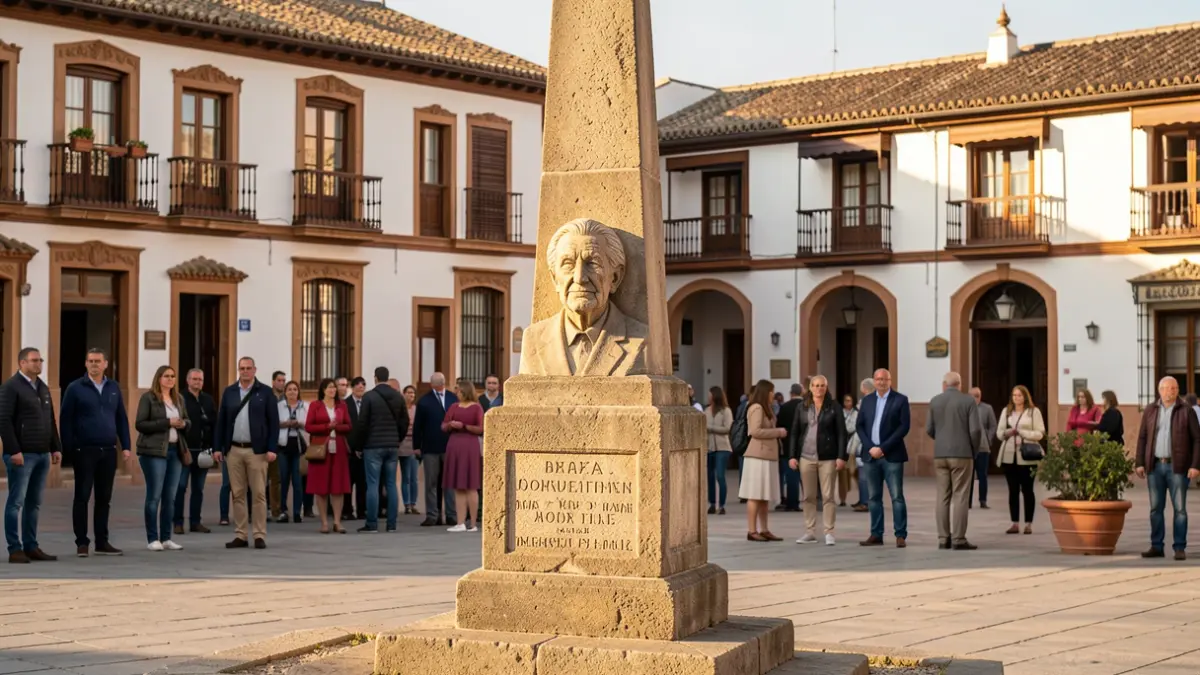
Dr. Manuel Concha, known for performing the first heart transplant in Andalusia, has released his new literary work, 'Cádiz, ciudad singular'. In it, the author, who grew up and studied Medicine in the city, details the unique features that define Cádiz, a place that inspires deep passion in him, shared with Córdoba, where he currently resides.
Concha describes Cádiz as a distinct city, founded 3,000 years ago by the Phoenicians, whose privileged location by the ocean has made it a melting pot of cultures and a historic commercial center. He highlights the openness of its inhabitants to new ideas and the absence of marked social classes, factors that, according to him, have forged a popular and welcoming spirit. The writer also mentions the importance of flamenco in Cádiz, experienced in a more spontaneous and popular way than elsewhere.
The author reflects on the possibility of Cádiz obtaining World Heritage status, pointing to its rich three-millennia history with Phoenician and Roman vestiges, such as the theater near the Santa Cruz church. He regrets that, due to a possible 'Cádiz apathy,' this legacy has not received the necessary attention for such recognition.
Beyond his literary work, Manuel Concha comments on public healthcare, a sector to which he has dedicated 45 years. He criticizes politicians' treatment of doctors, the difficulty in obtaining positions, and the politicization in selecting hospital management, contrasting the current situation with his era of competitive examinations.
Finally, Concha identifies tranquility, a simple life, and, above all, authenticity as the great values that Cádiz could export to the world, defining the latter as a more human existence.