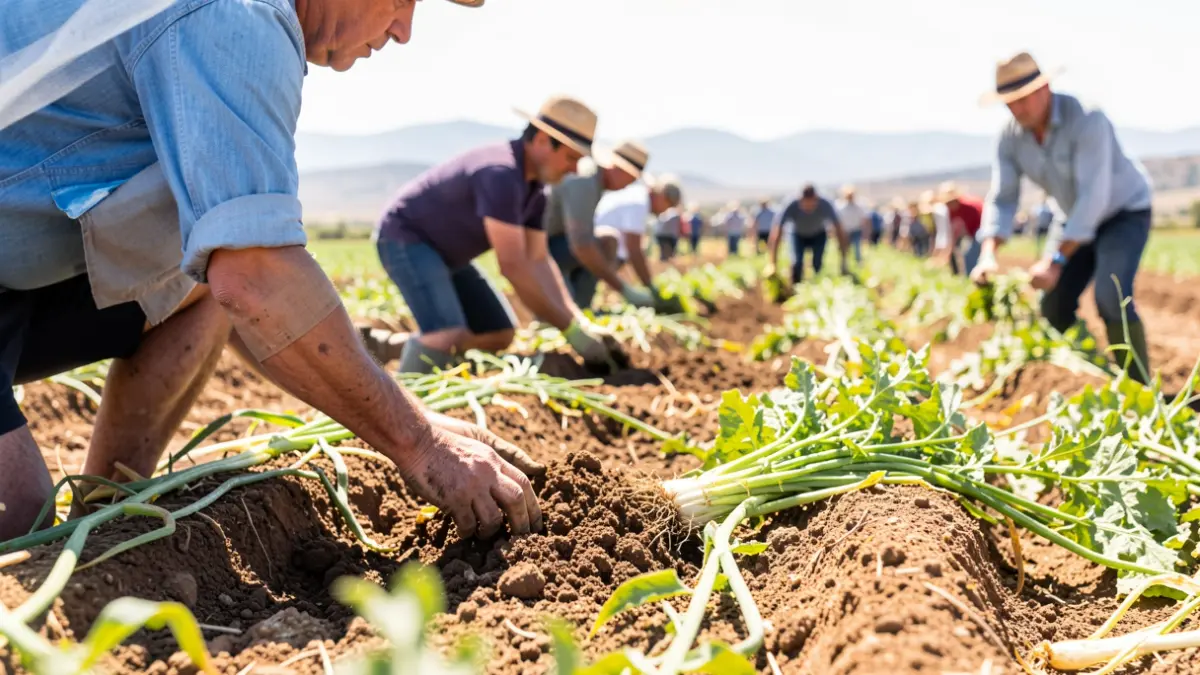
The research, published in the journal Public Health, examines the influence of socio-labor factors on the health perception of this often-invisible yet essential group for food production. The study is part of the project Migration and agricultural work in Spain: socio-labor precarity and health.
The findings, based on 623 surveys of workers from North Africa and Sub-Saharan Africa in Almería, Huelva, Lleida, and La Rioja, indicate that negative health perception is common, particularly affecting women. Employment instability, inadequate housing conditions, and difficulties accessing healthcare services exacerbate this situation.
Researchers from the CTS-451 Health Sciences group at the UAL and the GRECS group at IRB Lleida warn that these individuals' well-being is also impacted by educational level, administrative status, and social isolation, factors that hinder access to basic services.
The University of Almería considers these findings crucial for designing public policies to protect the health of this essential group. In the short term, the aim is to raise awareness of their needs and support healthcare professionals and social entities. In the medium term, the generated knowledge is expected to improve working and housing conditions, as well as healthcare, thereby reducing health inequalities.